The World Bank has announced its support for developing the first solar power plants in Guinea-Bissau. Similar to other West African nations, Guinea-Bissau aims to decarbonise its electricity production and accelerate electrification.
Under the Solar Energy and Access to Electricity Development Project, the World Bank will assist Guinea-Bissau until 2030 and has already approved a USD $30m grant.
Additionally, the International Development Association (IDA), a World Bank subsidiary, will contribute $35m, and the Energy Sector Management Assistance Program (ESMAP) will provide a $2.65m grant. The Green Climate Fund (GCF) will also pledge $10.5m to support the project.
Reducing Electricity Costs
The primary goal of this initiative is to speed up electrification. Currently, only 33% of Guinea-Bissau’s population has access to electricity, with around 58% in the capital, Bissau. The cost of electricity is very high, making it one of the most expensive in Africa.
According to Anne-Lucie Lefebvre, the World Bank’s resident representative in Guinea-Bissau, the country has significant untapped solar resources, which could be the most cost-effective and rapid solution to bridge the electricity supply gap.
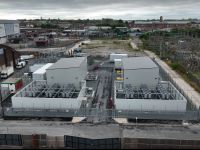
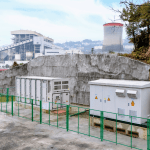
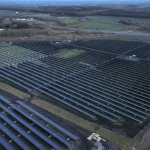
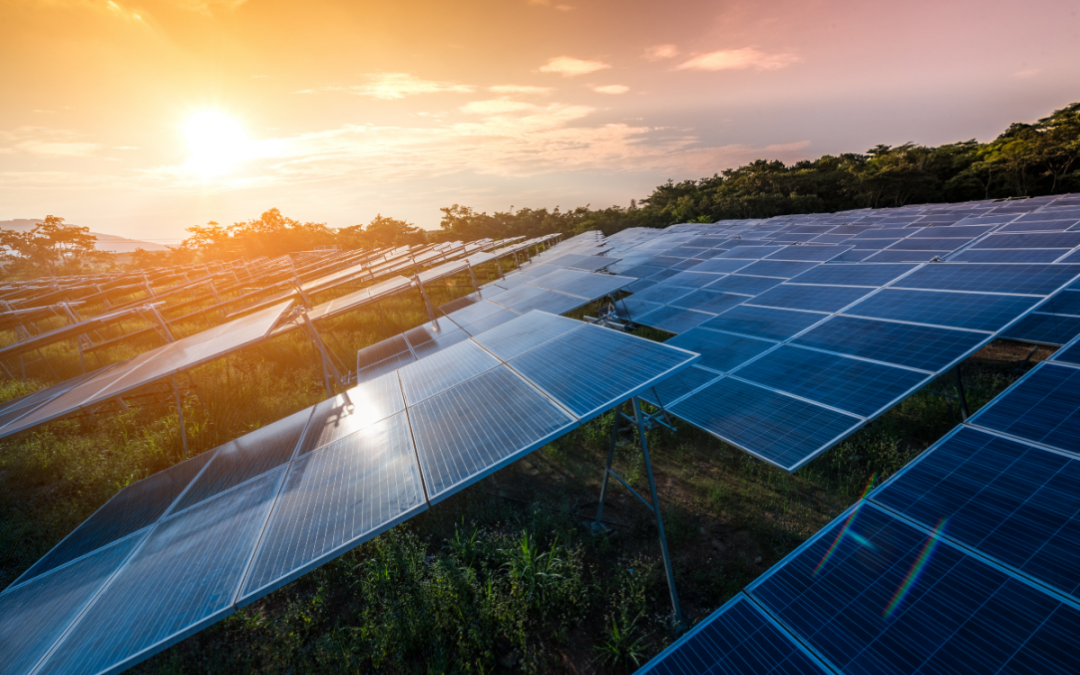
The Solar Energy Development and Electricity Access Project will involve constructing several solar power plants and battery storage units with participation from the private sector. A 30MWp solar power plant will be built near the capital, Bissau. This aims to reduce the average cost of electricity and diversify the energy mix.
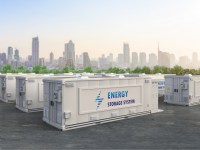
Battery storage will help smooth the injection curve initially and later provide services to the electricity system, according to the Ministry of the Economy, Planning, and Regional Integration of Guinea-Bissau.
The government will also support private partners in installing and operating mini-grids on the Bijagós islands (Bolama, Rubane, and Bubaque). These mini-grids will use renewable energy sources, combining around 500kWp of solar photovoltaic capacity with batteries or diesel generators. These installations will supply electricity to 1,200 households, shops, hotels, and small and medium-sized enterprises (SMEs).
The World Bank expects the project to benefit residential, commercial, and industrial consumers across Guinea-Bissau. It will also help the government’s efforts to create a favourable environment for private sector participation, stimulate economic growth, and create green jobs.