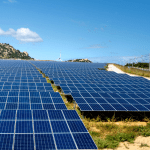
The Australian Energy Market Operator (Aemo) has warned that the eastern Australian power grid could face “outage conditions” as early as next spring unless states act faster to manage excess solar energy.
In a report released Monday, Aemo proposed an “emergency backstop” mechanism to stabilise the grid when households and businesses export surplus electricity.
It warned that South Australia, Victoria, Queensland, and New South Wales might face regional shortfalls in managing severe emergencies, potentially requiring “high customer impact mechanisms.”
While recent concerns have focused on demand exceeding supply, the growing issue is an insufficient load on the grid. According to the Clean Energy Council, Australians could install an additional 3GW of rooftop solar in 2024.
Michael Gatt, an Aemo executive, said the organisation had been raising the issue of minimum system loads for years and was working with governments and network operators on solutions.
“Aemo does not want to directly control people’s rooftop solar,” Gatt said, but added rare interventions, such as reducing solar output or temporary disconnections, might be necessary to ensure stability.
Independent analyst Gabrielle Kuiper cautioned against costly measures like using high voltage levels to remotely manage household solar inverters.
Kuiper, a director at the Superpower Institute, suggested alternatives to cutting rooftop solar output, especially during mild days with low energy demand.
She argued that revising national electricity rules and conducting cost-benefit analyses could clarify better options.
Kuiper noted Australia’s unique challenge as one of the few nations with a “really high proportion of variable renewable generation” in its power grid.