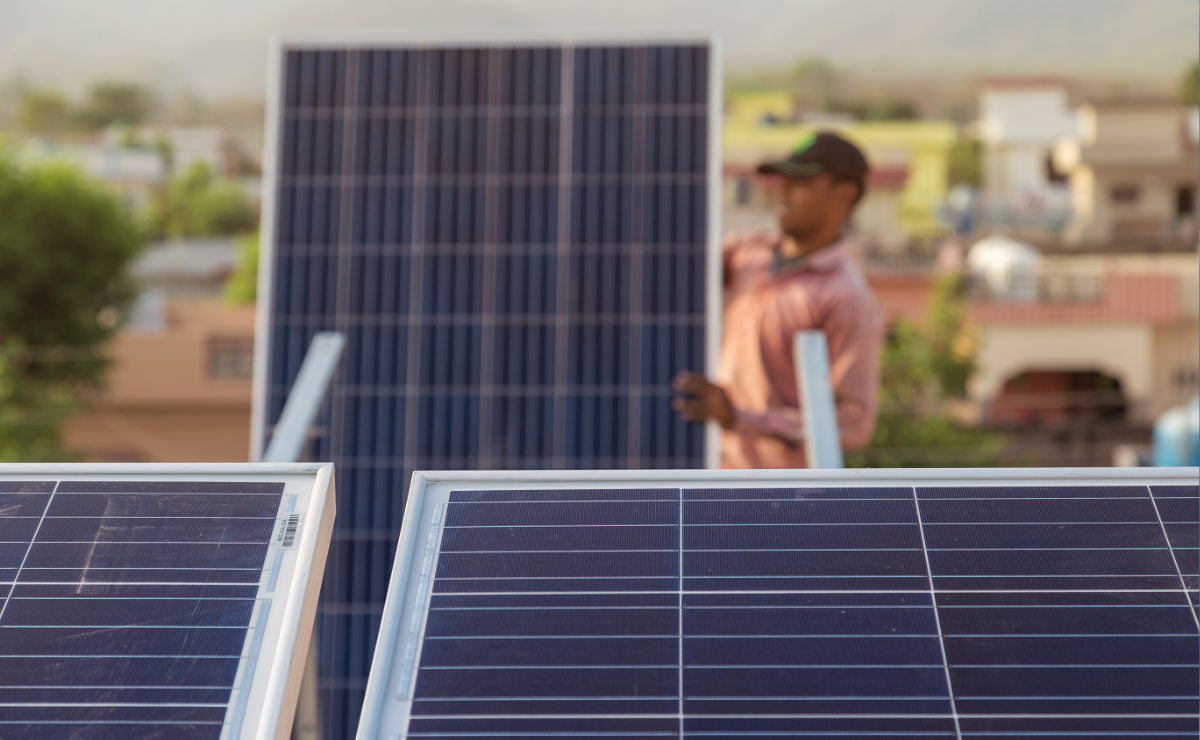
A new handbook on agrivoltaics from EnergyCo sets out how combining agriculture with solar energy can help meet renewable energy targets while supporting food production and rural economies.
Designed for both solar developers and landholders, the handbook contains research from industry leaders and insights from farmers themselves.
“This is the first comprehensive guide to assist developers and landholders to design and plan solar developments for grazing sheep,” explained Farm Renewables Consulting Director Karin Stark, who worked on the report with EnergyCo, on a LinkedIn post sharing the report.
“It also covers considerations for growing crops under solar and outlines case studies for cattle under solar.
By drawing on Australian case studies and international research, the document positions agrivoltaics as a solution with worldwide relevance for balancing renewable energy growth with the protection of farmland.
EnergyCo described the purpose of the handbook in a statement on social media: “The handbook reflects our commitment to informing local communities as we modernise the NSW energy grid.”
Benefits for farmers
The publication highlights the resilience that a secondary income stream provides. “For farmers, a secondary income earned from leasing land to solar developers builds financial resilience,” it states.
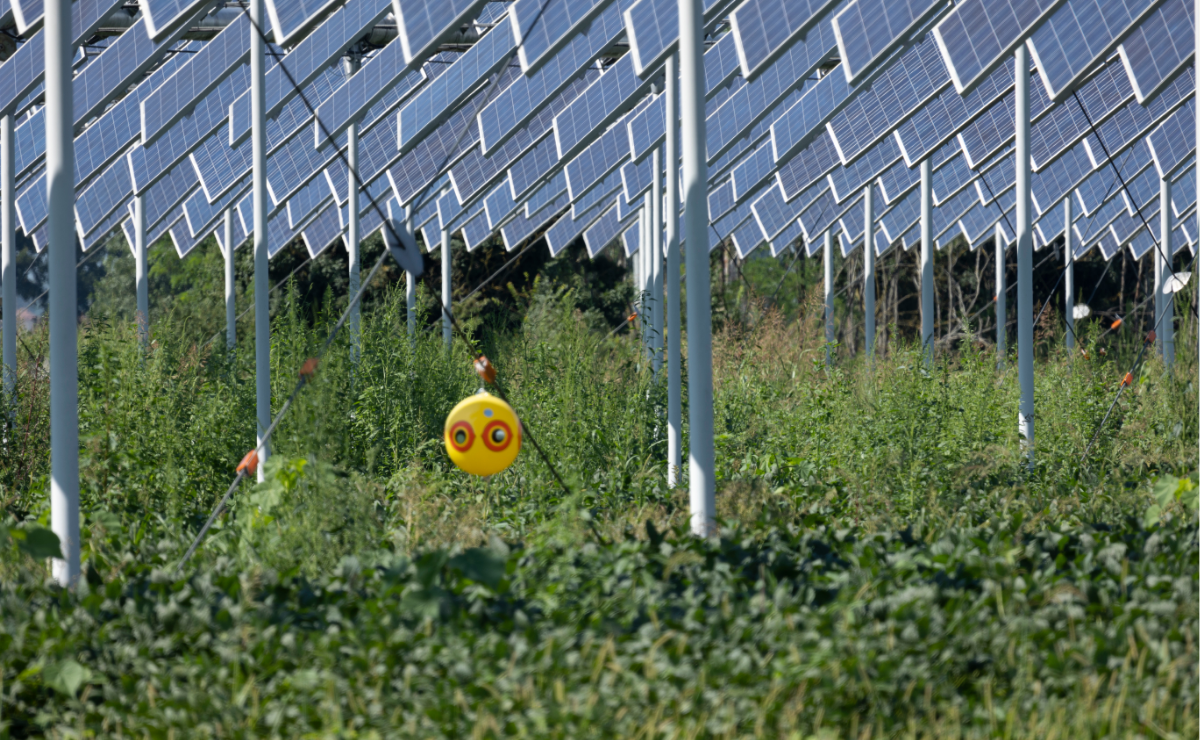
Panel shading also offers production benefits. In grazing systems, sheep use panels for shelter from extreme heat and wind, while the microclimates beneath panels help pastures stay green for longer.
Dubbo grazier Tom Warren, who runs around 250 merino sheep on 54 hectares within a solar farm, reports carrying “25% more sheep overall, compared to land without panels, due to increased soil moisture retention and the concentration of moisture in green pasture strips during dry periods.”
Warren has also observed improvements in wool quality, attributing this to reduced dust and burr contamination under panels.
For horticultural systems, panel cover can reduce crop losses. International trials cited in the handbook suggest reduced heat and hail damage for fruit and vegetable growers, as well as greater water efficiency.
Benefits for the solar industry
For developers, agrivoltaics provides an inexpensive way to manage vegetation while strengthening the industry’s “social licence” in rural areas.
The handbook notes that “solar grazing reduces vegetation management costs and increases social acceptance if the land is kept in production.”
The cost savings are significant: slashing vegetation mechanically costs $100 to $250 per hectare, while sheep grazing offers a cheaper and more sustainable alternative.
In addition, community acceptance improves when energy projects retain visible links to farming. “The retention of agricultural production on the same footprint as large-scale solar development is a critical aspect of delivering community benefit and gaining community acceptance for the energy transition to renewables,” the report states.
Towards wider adoption
While the handbook is designed for New South Wales, it draws on local, national, and international case studies. Its practical checklists for developers and landholders – from paddock layout to stocking rates – are applicable worldwide.
Agrivoltaics is already highly discussed internationally as a method for increasing investment in solar. Research from the UK’s University of Sheffield found that the country’s solar expansion goals could be achieved via agrisolar – without sacrificing farmland.
Overall, handbook authors stress that success depends on collaboration. Input from graziers, agronomists, and landholders during the design phase ensures that solar infrastructure supports continued agricultural use.
The report concludes that agrivoltaics is still an evolving practice, but one with clear potential: “Agrivoltaics is not a silver bullet, but it offers a practical and scalable solution to deliver food and energy security hand in hand.”
Solar & Storage Live in Birmingham is on the horizon, so don’t miss out on your free ticket to the UK’s largest solar and storage show. Or, find a Solar & Storage Live event near you.