by Regan Slaymaker | Apr 11, 2024 | Large Scale Utility Solar
Solar generation is on the rise in Egypt
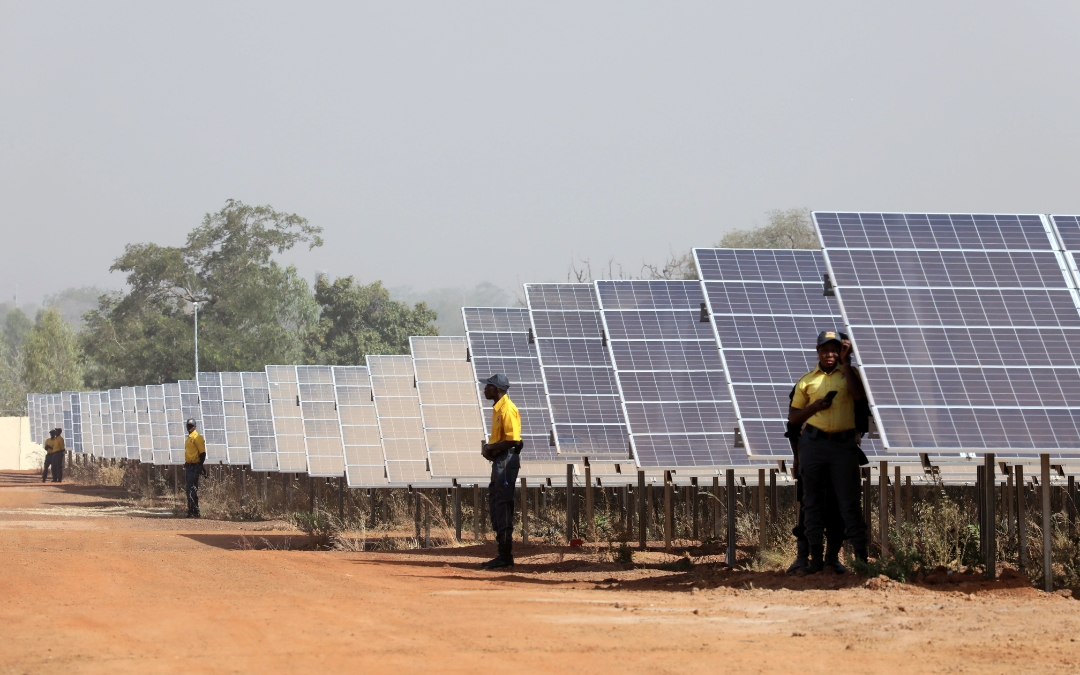
Between 2018 and 2022, The World Bank have committed $5.7bn to develop energy accessibility across Africa, providing power to around 77million people. The $5.7bn pledge has been focused on developing clean energy projects, particularly solar.
Clean energy, for the World Bank, has been highlighted as a solution to further investment, innovation and industry and drive employment across Africa. In Kenya, local businesses operate into evening hours to feel the full benefit of off grid solar energy. In Tanzania, electrical engineers work on solar energy projects at the Arusha Technical College, the hub for renewable energy studies in the region.
A lot of regions in Africa, like Sub-Saharan Africa, do not have efficient or accessible energy access. Cheap, reliable solar power could be the solution in closing ‘the energy gap’ in Africa and deliver the young population in the country more opportunities to drive economic growth. By 2030, the World Bank expect solar mini-grids to bring high quality, uninterrupted power to 280million people.
Solar is fundamental in unlocking efficient and accessible electricity access in Africa. Ethiopia, Niger, and Nigeria are all feeling the benefits of Solar. 75% of Kenya’s population now has access to energy. The World Bank have also launched the ‘Off Grid Solar Access Project for Unreserved Communities’ to bring solar mini-grids to schools, hospitals, and homes. So far, the projects has provided enough electricity for 1.5million people.
The greatest challenge facing accessible electrification across Africa is the West Africa countries. These countries experience the lowest electrification rates but the highest electricity costs across Africa. To combat this Chad, Sierra Leonne, Liberia and Tago have signed onto the Regional Emergency Solar Power Intervention project (RESPITE) to rapidly increase grid connectivity, renewable energy capacity and strengthen regional integration.
Increasing the access to clean, cheap and efficient energy will mean young people across Africa can further their education, develop their skills and begin businesses.
(Image credit: The World Economic Forum)
For more interviews from Solar&StorageXtra and to keep up to date with all NEW content, subscribe to the Solar&StorageXtra YouTube channel and Newsletter!
To enquire about interviews, submit news and press releases please contact our Editor, Regan Slaymaker, regan.slaymaker@terrapinn.com. For sponsorship and exhibition enquires please contact Sara Atwi, sara.atwi@terrapinn.com.
by Regan Slaymaker | Apr 11, 2024 | Large Scale Utility Solar
South Korea to build World largest floating solar facility in 2024
Levelized cost of electricity (LCOE) has registered a significant decline in the Asia Pacific region, registering a record low in 2023. The decline has led to renewable energy generation becoming more competitive with conventional energy sources (i.e. coal). Cost of Utility based Solar PV has decreased to such an extent, it is now the cheapest power source in the region. Currently, renewable energy sources are now 13% cheaper than coal. This is then expected to rise to 32% by 2030.
China is currently the leading power in lowering the cost of renewables. Utility PV, Onshore Wind, and Offshore Wind is between 40-70% cheaper in China compared to other Asian markets.
Solar PV remains the dominant technology in the renewable transition. In 2023, Solar PV cost decreased by 23%. The decline in price has led to Utility Scale PV becoming the cheapest power source in multiple countries. This will have a domino effect with the cost of new build solar projects expected to decline a further 20% by 2030. Overall, Utility Solar PV has dropped by an average of 23% across the Asia Pacific region in 2023; ultimately driven by a 29% decline in capital cost. Distributed solar’s decrease is even greater, registering a 26% decrease in 2023 which is now 12% cheaper than average residential sources.
The continuous decline has led to Solar’s price reaching an historic low in the Asia Pacific region in 2023. With prices in fossil fuels rising by 12% and Wind power being 38% higher than solar, solar power remains the most appealing form of electricity generation in the Asia Pacific region.
(Image Credit: Open Access Government)
For more interviews from Solar&StorageXtra and to keep up to date with all NEW content, subscribe to the Solar&StorageXtra YouTube channel and Newsletter!
To enquire about interviews, submit news and press releases please contact our Editor, Regan Slaymaker, regan.slaymaker@terrapinn.com.For sponsorship and exhibition enquires please contact Bastiaan van der Heijden, bastiaan.heijden@terrapinn.com.
by Regan Slaymaker | Apr 9, 2024 | Market Reports
The World’s Top 10 Battery and Storage Systems Companies
Solar thermal technology has emerged as a powerful contender in the renewable energy market, offering a clean and efficient way to produce electricity. Advances in the technology have been led by several companies that have not only developed cutting-edge technologies but also are making a significant impact on the industry. This is Solar&StorageXtra’s Top 10 solar thermal companies that are leading the charge toward a greener and more sustainable future.
1. BrightSource Energy
Location: Oakland, California, USA
BrightSource Energy is a leading solar thermal technology company, renowned for its flagship project, the Ivanpah Solar Electric Generating System in the Mojave Desert, which began operation in 2014. The system is the largest of its kind, with a gross capacity of 392MW. This is enough electricity to power 94,400 homes. BrightSource’s tower technology uses tens of thousands of computer-controlled mirrors, called heliostats, to reflect sunlight to the tower’s apex. This intense energy creates steam, which powers a turbine, generating electricity.
BrightSource has developed high-temperature steam cycles and molten salt energy storage, further boosting the system’s efficiency and ability to meet the demands of a modern conventional power plant grid. These developments have made its tower technology a key player in global solar energy solutions.
2. Abengoa Solar
Location: Seville, Spain
Abengoa Solar is a global leader in solar technologies. Their flagship projects include the Solana Generating Station in Arizona, equipped with molten salt energy storage that allows for power production long after the sun sets, and a parabolic trough plant in Gila Bend, Arizona.
Abengoa is renowned for its innovative approach to high-temperature molten salt, which enables it to store the sun’s heat and generate clean electricity on demand, even after dark. This technology has set new industry standards for solar power plant operation and is a significant contributor to the global transition to renewable energy.
3. Siemens
Location: Munich, Germany
Siemens is a global powerhouse when it comes to energy technologies and has a significant presence in the solar thermal sector. The company manufactures essential components for solar power plants, including turbine generators and steam turbines that convert thermal energy into mechanical energy for electricity generation. Siemens’ robust research and development have led to the creation of micro-gen gas turbines, a sustainable solution for decentralized power generation.
Siemens has been at the forefront of integrating solar technology with traditional power systems. Their ground-breaking work in hybrid solar-gas plants allows renewable energy to be dispatched as reliably as fossil fuels, ensuring grid stability and an efficient energy supply.
4. Acciona
Location: Alcobendas, Spain
Acciona is a global renewable energy corporation with a significant presence in solar thermal power. Their solar division, Acciona Energy, has been instrumental in promoting sustainability and clean energy transition. They are noted for projects like the 110 MW Kathu Solar Park in South Africa that uses parabolic trough technology and a six-hour molten-salt storage system.
Acciona has not only excelled in the technological aspect of solar energy but also in its social impact. They focus on community development, offering job opportunities, and providing on-site training to locals for the operation and maintenance of the solar plants.
5. SolarReserve
Location: Santa Monica, California, USA
SolarReserve is a developer, owner, and operator of utility-scale solar power projects with energy storage. Their flagship technology, the solar power tower including molten salt thermal energy storage, delivers dispatchable electricity, on-demand, at any time. The company has made significant strides with the Crescent Dunes Solar Energy Project in Nevada, the first commercial-scale solar power tower in the United States with energy storage.
SolarReserve’s technology is considered to ground-breaking as it can provide energy storage sufficient to deliver a more predictable and manageable generation. This is key to supporting grid stability by effectively matching energy supply with demand.
6. Torresol Energy
Location: Madrid, Spain
Torresol Energy was born from a joint venture between SENER engineering and technology group, and Masdar, Abu Dhabi’s renewable energy company. The result is a company with an exceptional track record of executing innovative projects in the solar thermal sector. Torresol’s Gemasolar solar plant is one of the most significant milestones in the field, using a molten salt receiver in a central tower configuration, able to operate 24/7.
Gemasolar, with its 15-hour energy storage capacity, is a testament to Torresol’s commitment to innovation in energy storage technologies. This project has demonstrated that concentrating solar thermal can indeed compete with conventional energy sources without the unreliability that often plagues other renewable sources.
7. Trivelli Energy
Location: Santiago, Chile
Trivelli Energy is renowned for its extensive expertise in providing renewable energy solutions, particularly in the solar thermal sector. The company has a strong focus on harnessing solar power for industrial applications, such as providing process heat and electricity for mining operations, one of the highest energy-consuming industries.
Trivelli Energy’s tailor-made solutions for high-energy consumption industries are a critical advancement towards reducing CO2 emissions and environmental impact in such sectors.
8. Abors Green Gmbh
Location: Berlin, Germany
Abors Green GmbH is an important player in the solar thermal sector with a focus on sustainable energy solutions for industrial use. The company is known for its expertise in designing and operating Solar PAR holographic mirrors and solar concentrators for applications requiring high-temperature heat, such as industrial process heating, desalination, and energy storage.
Abors Green’s use of Solar PAR holographic mirrors allows for precise focusing of the sunlight onto a narrow target area, significantly increasing the temperature achieved, and thus efficiency, making it a frontrunner in high-temperature industrial applications.
9. Parvolen CSP Technologies
Location: Valparaiso, Chile
Parvolen CSP Technologies specialises in concentrated solar power (CSP) and thermal storage systems. The company’s focus on research and development for next-generation CSP plants and auxiliary equipment has positioned them as a key player in increasing the efficiency and economic competitiveness of solar thermal power systems.
Parvolen’s patented technology, including prefabricated heliostats and integrated thermal storage, has brought down the overall costs of building and operating CSP plants. Their continued innovation in materials science and industrial design ensures their solutions are at the cutting edge of solar thermal technology.
10. Sener
Location: Getxo, Spain
Sener is an engineering and technology group with key businesses in the aerospace, infrastructure, and transport sectors, but its influence in solar thermal energy should not be underestimated. The company has made significant contributions to the solar thermal sector, like the construction of the Gemasolar plant through its joint venture with Masdar, Torresol Energy.
Sener’s emphasis on turning cutting-edge technologies into real industrial applications has been pivotal. They have continuously strived to develop and deploy new breakthroughs in solar thermal, helping refine existing technologies and push the boundaries of what is possible in terms of renewable energy generation.
(Image credit: Solar Impulse Foundation)
For more interviews from Solar&StorageXtra and to keep up to date with all NEW content, subscribe to the Solar&StorageXtra YouTube channel and Newsletter!
To enquire about interviews, submit news and press releases please contact our Editor, Regan Slaymaker, regan.slaymaker@terrapinn.com. For sponsorship and exhibition enquires please contact Tom Moon, tom.moon@terrapinn.com.
by Regan Slaymaker | Apr 9, 2024 | Market Reports
Kingdom of Saudi Arabia Solar Market Report
Electricity generated from solar based technologies is on a continuous rise in the United States (US). A global decline in cost of solar and supportive government policies have been highlighted as key factors for the rise of solar power in the country. The US Solar market is currently registering a compound annual growth rate of 16.48% with a low market concertation. By the end of 2024, the US’ total solar capacity is expected to reach 164.2GW. By 2029, this is expected to reach 352GW.
US Solar Market Analysis
As mentioned, the global decrease in Solar PV cost has contributed greatly to the increase in Solar power across the US. In the last 10years, the price of Solar PV has dropped by 90%. According to Mordor Intelligence, a combination of techno-economic and geopolitical factors will mean the price of Solar PV will continue to decline gradually in the US.
Since 2010, the US National Renewable Lab has highlighted that the cost of solar for particular industries has shown a continuous decline. Residential Solar has shown a 64% decrease, Commercial Solar registered a 69% decrease and Utility Scale Solar PV with a 82% decrease. Rooftop solar is highlighted as the key technology used by residential and commercial customers to save cost and time.
Supportive government policies are also driving the US Solar market. The Solar Energy Industries Association (SEIA) have explained a combination of domestically produced and imported solar technologies will benefit the US Energy mix. The Biden Administration has been encouraged to prioritise domestic based produce to ensure Solar’s rise in the country despite competition of imports from other regions. The Investment Tax Credit is a federal policy that has been driven by the price of Solar to keep costs on the decline and increase the technologies’ demand.
US Solar Market Trends
Solar continues to become more accessible and cost effective to consumers in the US. The annual growth rate of Solar sat at 8.3% in 2022 with solar installations increasing by 30x with total installed capacity reaching 145.598GwH.
California currently leads installed capacity with the technology becoming more economically competitive with conventional energy sources. The state currently produces 30% of the US’ total solar generation at 7880KwH and, according to the SEIA, are set to add 22,630MW in the next 5 years. Texas is currently the second most successful state regarding solar generation, registering 3086KwH.
Despite experiencing supply constraints in Solar PV, due to issues with imports, Utility Scale Solar installations increased by 66% in the first quarter of 2022 (SEIA). In 2024, Solar PV accounted for 54% of new electricity generating capacity in the US. This is to increase drastically by 2029.
What is happening in the US?
In March 2023, Duke Energy Sustainability Solutions announced they are now operating its largest solar power plant. The Pisgah Ridge Solar Facility in Navarro County, Texas currently registers a solar capacity of 250MW.
In April 2023, Atlas Renewable Energy and Albras announced they have signed a Power Purchase Agreement extending 21 years. Atlas are set to supply Albras with Solar energy via their 902MW solar farm. Abras’ Minas Ceras factory will be operational in 2025 and will be powered by the solar facility.
In the same month, Masdar announced they have increased their share in the US solar market by acquiring a 50% stake in a solar and battery project led by EDF Renewables North America. The Big Beau project is a 128MW solar farm with a 40MW Battery Energy Storage System. This collaboration is 1 project of 8 that Masdar and EDF’s work together on, the total capacity of all projects equal 1.6GW.
Key Players in the US Solar Market
- 8Minute
- Martenson
- First Solar
- NextEra Energy
- Salv Energy
For more interviews from Solar&StorageXtra and to keep up to date with all NEW content, subscribe to the Solar&StorageXtra YouTube channel and Newsletter!
To enquire about interviews, submit news and press releases please contact our Editor, Regan Slaymaker, regan.slaymaker@terrapinn.com. For sponsorship and exhibition enquires please contact Carly Binday, carly.binday@terrapinn.com.
by Regan Slaymaker | Apr 5, 2024 | Video
Interview with Chris Buckland, Global Technical Director at Lightsource BP
It was a pleasure to interview Minister Andrew Bowie, Co-Chair of the UK’s Solar Taskforce and the Minster for Nuclear and Renewable Energy, ahead of their participation at Solar&StorageLive London on the 29-30 of April this year!
Solar&StorageXtra is the new publishing part of the Solar and Storage Live event series where we will be interviewing our esteemed speakers, exhibitors, sponsors and attendees to get their live reactions to the event and the important discussions within the industry.
Minister Bowie joined Solar&StorageXtra to discuss the success of the UK’s Solar Taskforce, the challenges to deploying solar technologies in the UK and the importance of collaboration when achieving the UK’s 70GW solar target.
Whilst the deployment of renewable technologies, especially solar, is consistently on the rise in the UK, there are challenges that can hinder faster deployment. Minister Bowie highlighted some of the key challenges facing the deployment of renewable technologies and the solutions in place to combat them:
The UK’s capacity on the grid, and grid connections in general, is one issue the UK is facing when deploying renewable technologies. The lower the grid capacity, the slower renewable projects can connect to the electricity grid. Minister Bowie explained that the government have put in place reforms to accelerate the construction of network infrastructure and to reform the connection process which will ease and speed up innovative connections to the grid. The skills gap must be assessed to speed up the deployment of renewable projects in the UK. It is essential the right and enough people are being trained to correctly deploy these new and innovative technologies.
Investment, planning and consenting are all being reviewed in order to increase the deployment of solar in the UK. Minister Bowie explained that the UK is ranked 4th in the world for low carbon investment in 2023 behind China, the US, and Germany, the UK government want to improve this and establish the country as a ‘genuine hub for green, clean, technological investment.’ Initiatives for planning and consenting have also been assessed to speed up deployment.
“We should be shouting it from the rooftop just how World leading the UK is when it comes to cutting our carbon emissions, creating new jobs, developing new technologies, driving to net zero and a more secure energy landscape!”
For more interviews from Solar&StorageXtra and to keep up to date with all NEW content, subscribe to the Solar&StorageXtra YouTube channel and Newsletter!
To enquire about interviews, submit news and press releases please contact our Editor, Regan Slaymaker, regan.slaymaker@terrapinn.com. For sponsorship and exhibition enquires please contact Tom Moon, tom.moon@terrapinn.com.
by Regan Slaymaker | Apr 4, 2024 | Large Scale Utility Solar
In China renewable energy generation now surpasses fossil fuels
Between 2021 and 2022, South Korea’s solar energy capacity leaped from 18.16GW to 20.97GW. This substantial increase in solar is linked to the deployment of floating solar facilities in the region. Floating solar facilities are leading generation in Asia because of the lack of land due to mass urban development and agricultural expansion.
Continued deployment of floating solar has led to the commissioning of the Saemangeum Floating Solar Power Project. Located in North Jaella, the facility is expected to be the World’s largest floating solar power plant scaling 11.6squared miles. Construction is expected to begin this year with the facility open for commercial operation in 2025. Once fully operational, the Saemangeum Floating Solar Plant will generate enough electricity for 1million homes. Power from the plant will be supplied to Korea Hydro and Nuclear Power under a Power Purchase Agreement (PPA). The projected offtake capacity will sit at 300MW.
An already operational floating solar facility in South Korea is the Hapcheon Dam Floating Solar Power Project. The 41MW floating solar structure has been operational since 2021 and has 92,000 solar panels installed. What makes the project unique is its community investment, where 1,400 residents contribute to equal to $2.6billion. This investment covers 4% of the total project costs with a 10% annual return over 20years.
Deployment of floating solar in South Korea does not come without its challenges. Floating solar systems are, according to The World Bank, 18% more expansive than land-based projects. This is because of the more advanced technologies needed to cater for the different environments of floating solar.
The decline in solar energy tenders conducted by the Korean Energy Agency is also a big issue with only 1.4GW allocated to buyers of the 2.2GW of capacity available. Stricter land laws and regulation, as well as public opposition, has made it increasingly difficult to identify appropriate locations for floating solar facilities.
The growth of solar in South Korea is impressive but multiple socio-economic issues are underpinning its continued success.
(Image credit: Power Technology)
For more interviews from Solar&StorageXtra and to keep up to date with all NEW content, subscribe to the Solar&StorageXtra YouTube channel and Newsletter!
To enquire about interviews, submit news and press releases please contact our Editor, Regan Slaymaker, regan.slaymaker@terrapinn.com.For sponsorship and exhibition enquires please contact Bastiaan van der Heijden, bastiaan.heijden@terrapinn.com.
by Regan Slaymaker | Apr 4, 2024 | Market Reports, Storage
Unveiling the Top 10 Largest Solar Farms in the World
Where the world’s energy consumption and generation patterns are intermittent, the need for companies to provide cutting-edge storage solutions for renewable energy has never been more important. Without efficient storage systems, the stability and reliability of energy from renewable sources can’t be realized on the scale necessary to promote a full transition to green energy. Here are the leading companies in battery and storage system technology.
1. AMP Nova
At the forefront of the conversation about where we get our energy and how we store it is AMP Nova. They are renowned for their focus on Energy Storage Systems (ESS) that can store energy generated through renewable technologies and release it when necessary. They’re known for their innovation in compact, durable battery units that can be deployed in a variety of environmental conditions, making them a versatile choice for renewable energy projects worldwide.
2. BYD
BYD, has made significant developments in the realm of electric vehicles but their expertise naturally extends to the development of ground-breaking battery storage solutions. Specialising in fully integrated energy storage products, BYD’s batteries are designed for both on-grid and off-grid applications. Their systems are recognized for their longevity, with the capability to maintain performance over thousands of charging cycles.
3. Tesla
When it comes to batteries and energy storage, it’s hard to ignore the name at the forefront of innovation in the space – Tesla. The company’s Powerwall and Powerpack solutions are reshaping how homes and businesses store and use energy. Their approach involves not just creating the storage systems but also building an entire ecosystem that includes solar generation and electric vehicles to ensure end-to-end energy sustainability.
4. Samsung SDI
Samsung SDI has been a pioneer in the storage system industry, realizing that energy storage must be sustainable from a materials sourcing perspective as well. Their batteries use eco-friendly materials that reduce the environmental footprint of their production process. By advocating for renewable and sustainable energy, Samsung SDI is more than just an ESS provider—it’s a company driving an environmental mission.
5. Contemporary Amperex Technology Co. Ltd (CATL)
CATL stands out for its emphasis on lithium-ion batteries and their suitability for a range of energy storage applications. Their innovations in safety, lifespan, and energy density have garnered the attention of the market, leading them to establish partnerships with a wide array of industries, from electric vehicles to stationary storage. CATL isn’t just a supplier; they’re a critical player in advancing ESS technologies globally.
6. LG Chem ltd
Recognized as a global leader in advanced battery technology, LG Chem’s energy storage systems are recognised as game changers. They offer end-to-end solutions ranging from residential to utility scales. The company is praised for its continuous investment in R&D, which has yielded ESS products with high efficiency and long life expectancy. Their commitment to reducing the overall cost of energy storage is setting a new benchmark for the industry.
7. Panasonic Corporation
Panasonic, a household name, has translated its consumer electronics expertise into becoming a major player in battery and energy storage. With a focus on partnerships and collaborations, Panasonic’s approach to ESS is built on synergy. The company have combined their battery technology with the systems and expertise of their partners to create holistic and comprehensive energy storage solutions.
8. Fluence Energy Inc
Fluence, a joint venture of AES Corporation and Siemens, is dedicated to transforming the world’s electricity infrastructure with innovative storage systems. Their focus on grid-scale ESS is reshaping energy management, enabling utilities to deliver a more stable and efficient power supply. With an impressive portfolio of projects worldwide, Fluence is making a significant impact on the global energy landscape.
9. Envision Energy
Envision operates at the intersection of two critical sectors: renewable generation and energy storage. This unique position has allowed them to develop holistic and integrated solutions that harness the potential of wind and solar power through advanced storage technologies. They’re known for their AI-driven operating systems that optimize the storage and release of energy, ensuring maximum efficiency and minimal waste.
10. Total Energies
Total Energies, a major energy provider, has broadened its focus to include renewable energies and storage. Their approach emphasizes integration, developing systems that allow for a smooth and cost-effective transition between different energy sources. By leveraging their extensive experience in the energy sector, Total Energies is poised to be a significant contributor to the deployment of renewable energy with the support of robust storage solutions.
The global transition to sustainable energy requires the ongoing advancement of batteries and storage systems. The companies listed above are driving innovation in the industry and are playing a crucial role in enabling the renewable energy revolution.
(Image Credit: energyacuity)
For more interviews from Solar&StorageXtra and to keep up to date with all NEW content, subscribe to the Solar&StorageXtra YouTube channel and Newsletter!
To enquire about interviews, submit news and press releases please contact our Editor, Regan Slaymaker, regan.slaymaker@terrapinn.com. For sponsorship and exhibition enquires please contact Tom Moon, tom.moon@terrapinn.com.
by Regan Slaymaker | Apr 3, 2024 | Innovation
European countries are not catering for excess solar capacity
O+L Nexentury GmbH announced at the end of March that a 15MW floating solar photovoltaic plant on the Philippsee gravel lake in Western Germany. The Munich based solar developer will deploy 27,160 solar modules on the floating solar facility that will cover 15% of the lake.
The solar park is estimated to generate 16GwH of green electricity per year and will begin construction in the first quarter of 2024. The power generated expected to power the onsite gravel plant.
Excess power will be fed back into Germany’s power grid and help improve the security of the countries power grid.
Key stakeholders, alongside O+L Nexentury GmbH, in the project include:
- Philipp & Co.
- Ohlthaver & List’s European arm O&L Europe SE.
- The German federal state of Baden-Wuerttemberg.
- DKB (as the financing bank).
For more interviews from Solar&StorageXtra and to keep up to date with all NEW content, subscribe to the Solar&StorageXtra YouTube channel and Newsletter!
To enquire about interviews, submit news and press releases please contact our Editor, Regan Slaymaker, regan.slaymaker@terrapinn.com. For sponsorship and exhibition enquires please contact Tom Moon, tom.moon@terrapinn.com.
by Regan Slaymaker | Apr 3, 2024 | Large Scale Utility Solar
US Solar developers claim 30% tax credit for using domestic solar products
One of the largest solar projects in the United States has gained approval for construction.
Ohio’s Power Sting Board approved the Savion Oak Run Solar project. The project will include a 800MW utility scale solar factory alongside a 300MW co-located battery energy storage system (BESS). The Tesla produced BESS is expected to have a 20year lifespan.
Despite the project’s approval, the Sun Oak Run Solar Park has faced a lot of opposition from the local community. The local county board concluded that the solar project’s positive environmental contribution did not out way the requirements of public interest, convenience, or necessity for Ohio’s residents. Arguments around solar damaging the local agricultural industry came into this.
Unfortunately for solar critics, the Sun Oak Run Solar facility is set to benefit Ohio’s local community greatly. In its construction phase, the project will create 3000 jobs for the local community and a further 63 permanent positions. $300mn in funding will also be generated for local schools as a direct result of the project. Landowners will also be able to create more money from solar on their land than agricultural practices (which is predominantly corn farming in Ohio).
Overall, the Sun Oak Run Solar project will provide more opportunities for long-term investment and ensure the country has the appropriate resources to ensure school systems are well funded and create job opportunities.
(Image credit: Meadville Tribune)
For more interviews from Solar&StorageXtra and to keep up to date with all NEW content, subscribe to the Solar&StorageXtra YouTube channel and Newsletter!
To enquire about interviews, submit news and press releases please contact our Editor, Regan Slaymaker, regan.slaymaker@terrapinn.com. For sponsorship and exhibition enquires please contact Carly Binday, carly.binday@terrapinn.com.
by Regan Slaymaker | Mar 28, 2024 | Innovation
(Image credit: coalition for a prosperous america)
The importance of battery energy storage systems (BESS) have never been more essential to China’s energy mix.
Through the country’s transition to renewable energy, China has moved away from an adjustable energy source (coal) to two very intermittent sources of renewable energy (wind and solar). The variability of these renewable sources of energy have meant there is no smooth flow of energy.
Intermittent energy sources have complicated China’s electricity grid. The main solution to solve intermittencies in electricity flow is energy storage solutions. BESS systems can store excess renewable energy when production is at its peak and release it back onto the grid at times of high demand.
Now the countries renewable energy generation has surpassed coal, BESS technologies are more important than ever. So much so, the Chinese government have included the upscaling of energy storage systems into their energy policy roadmap.
A part of this policy roadmap has led to the creation of the National Innovation Hub in Guangzhou. International renewable energy leaders in Uzbekistan, Chile and Egypt have visited the facility to encourage collaboration with Chinese firms. Li Yitao, Co-President of the Innovation Hub, explained that international interest in the hub has expanded past business collaboration. International students are actively contacting the Innovation Hub for opportunities in China’s energy sector.
The renewable technologies currently on the rise in China include:
- Gravity Cube System
- Compressed Air Energy Storage Solutions
- Large Scale Battery Installations
For more interviews from Solar&StorageXtra and to keep up to date with all NEW content, subscribe to the Solar&StorageXtra YouTube channel and Newsletter!
To enquire about interviews, submit news and press releases please contact our Editor, Regan Slaymaker, regan.slaymaker@terrapinn.com.For sponsorship and exhibition enquires please contact Bastiaan van der Heijden, bastiaan.heijden@terrapinn.com.
by Regan Slaymaker | Mar 28, 2024 | Commercial & Industrial Solar
(Image credit: Shutterstock)
Solar manufacturers in the United States have begun publicly lobbying for stricter import tariffs to counter the dominance of solar technologies from China.
Two solar manufacturers, Suniva and Heliene, announced a collaboration on March the 27th to establish a domestic solar manufacturing industry and create solar panels in the United States.
Suniva and Heliene’s panels will enable their customers, solar developers in the United States, to collect a new federal subsidy for the United States based clean energy technology. The collaboration has been highlighted by the Biden Administration as evidence of Inflation Reduction Act subsides succeeding in building a domestic solar manufacturing industry to compete with China.
The $400bn collaboration will mean Suniva will supply solar cells to Heliene who will assemble the cells into panels. The products will help contribute to 2GW of energy to solar projects; which is enough clean electricity to power 350,000 homes.
Between 2016 and 2020, 20% of solar manufacturing jobs in the United States were lost. Now, Suniva has begun the process of reopening an old factory to boost domestic based solar production.
Solar project developers that use United States’ produced panels will be able to claim a 10% tax credit for using domestic based solar products. There is also a 30% domestic produce bonus credit for renewable energy facilities. Suniva and Heliene’s collaboration is clear evidence of the effectiveness of the Inflation Reduction Act.
Treasury Secretary, Janet Yellen explained to Thomson Reuters:
“Before the Biden Administration, solar companies in the United States were struggling, now, though there remain significant challenges, the Inflation Reduction Act for tax credits are helping change the game.”
For more interviews from Solar&StorageXtra and to keep up to date with all NEW content, subscribe to the Solar&StorageXtra YouTube channel and Newsletter!
To enquire about interviews, submit news and press releases please contact our Editor, Regan Slaymaker, regan.slaymaker@terrapinn.com. For sponsorship and exhibition enquires please contact Carly Binday, carly.binday@terrapinn.com.
by Regan Slaymaker | Mar 27, 2024 | Market Reports
Previous Top 10 Solar and Storage Start-Ups Revolutionising the Industry
The renewable energy sector is sizzling with innovation and growth, particularly in the realm of solar energy production. With environmental concerns at an all-time high, it’s no wonder that solar farms are popping up across the globe.
Solar&StorageXtra have decided to highlight the top 10 solar farms globally, not just in terms of their sheer size but also in the monumental impact they are having on our energy infrastructure.
1. Gonghe Talatan Solar Park, China
Nestled in the sun-kissed plains of the Qinghai Province, the Gonghe Talatan Solar Park size is monumental with a total size registering 345km2. This sprawling solar kingdom reigns supreme with an astounding power capacity reaching 8430 megawatts (MW). Renowned for its incorporation of cutting-edge solar technology and the meticulous organization of its panels, Gonghe Talatan is a pioneer in efficient solar energy harvesting since its creation in 2022.
2. Bhadla Solar Park, India
The Bhadla Solar Park glistens amid the desert sands of the northwestern Indian state of Rajasthan. The park’s 2245MW capacity is as impressive as the three hundred sunny days it enjoys each year. Bhadla is a central player in India’s push towards energy security. With expansion plans already in place to add an additional 3.5 gigawatts (GW) worth of capacity, the Bhadla Solar park has become a key part of the country’s solar vision.
3. Pavagada Solar Park, India
Pavagada Solar Park paints a vast canvas of solar panels across the arid expanse of Karnataka. With 2050MW at its disposal, Pavagada holds its own amongst the world’s solar giants since its construction in 2019. Pavagada is not just about energy; it’s a catalyst for development in a region that’s about to shine as bright as the sun above it.
4. Mohammed bin Rashid Al Maktoum Solar Park, UAE
This is the highlight of solar in the heart of the United Arab Emirates (UAE). Its 2027MW capacity is the embodiment of Dubai’s commitment to sustainability and future energy security. Constructed in 2022, the Mohammed bin Rashid Al Maktoum Solar Park isn’t just a power station; it’s nurturing an oasis of green innovation in the desert. The solar park is also planning an additional 250MW worth of solar PV.
5. Al Dhafra Solar project, UAE
This ambitious project is carving out a sun-powered future on the UAE’s western flank. With a capacity of 2000MW, Al Dhafra is already recognised as the largest single-site solar park on the planet. A symbol of the UAE’s drive to diversify its energy mix, Al Dhafra is at the focal point of the nation’s clean energy endeavors.
6. Benban Solar Park, Egypt
Benban Solar Park is the jewel of Egypt and is located in the Aswan region generating 3800 gigawatt-hours (GwH) of solar energy. At 1650MW and counting, the Benban solar park is a testimony to Egypt’s considerable solar potential. Not content with its current success, the park is part of Egypt’s wider efforts to turn solar into a foundational element of its energy sector.
7. Tengger Desert Solar Park, China
In the remote Tengger Desert, the Tengger Desert Solar Park emerges with its massive 43km2 size. Clocking in at an impressive 1547MW capacity, this solar park is a testament to China’s prowess in renewable energy growth. The park’s designers take great care to shield the desert’s unique environment, flying the flag for responsible solar development.
8. Sudair Solar PV Project, Saudi Arabia
Saudi Arabia’s vision for a post-oil era finds one of its cornerstones in the Sudair Solar PV Project. With a colossal 1500MW capacity, this project is not just leading the nation, it’s an evolutionary leap in the global solar landscape. Since its creation in 2023, Sudair’s strategic location and size point to a kingdom eager to harness the full potential of solar energy.
9. Kalyon Karapınar Solar Power Plant, Turkey
The Kalyon Karapınar Solar Power Plant is an Anatolian giant treading the fertile plains of Turkey. When fully operational the solar park will reach 1350MW in capacity and has solidified itself as a significant asset in Turkey’s quest to become a significant player in the solar race. Kalyon Karapınar is more than just an energy project; it’s a symbol of bridging cultures and continents in the name of sustainable progress.
10. NP Kunta, India
Nestled in India’s Deccan Plateau, NP Kunta illuminates an expanse that’s abundant in not just history but also sunlight. With 1200MW locked in its panels, NP Kunta’s endeavor is to bring solar energy to the remote corners of the Andhra Pradesh region of India. NP Kunta stands as a beacon of hope, claiming its place in the huge tapestry of India’s renewable energy goals. Once fully operational NP Kunta will have a generational capacity of 1500MW.
In the rapidly evolving world of solar energy, these 10 solar farms represent pinnacle of where solar technology needs to be to secure reliable, renewable and secure energy for each country across the globe.
(Image credit: CGTN)
For more interviews from Solar&StorageXtra and to keep up to date with all NEW content, subscribe to the Solar&StorageXtra YouTube channel and Newsletter!
To enquire about interviews, submit news and press releases please contact our Editor, Regan Slaymaker, regan.slaymaker@terrapinn.com. For sponsorship and exhibition enquires please contact Tom Moon, tom.moon@terrapinn.com.
by Regan Slaymaker | Mar 27, 2024 | Large Scale Utility Solar
(Photo credit: BELGAIMAGE)
Solar in Morocco is reaching new hights!
With the countries total investment reaching $9bn, the Moroccan government’s ambitious plan for solar is being viewed as a pioneer in establishing a secure and sustainable renewable energy supply.
In 2016, Morocco’s solar target was to reach 2000MW by 2020. In 2024, electricity from renewable sources makes up two-fifths of the nations’ total energy generation. Now the government want to increase the amount of renewable technology in its electricity mix to 53% of its total generation by 2030. As it stands, solar makes up 20% of its total electricity mix.
The three main solar technologies used in Morocco include Solar Thermal, Concentrated Solar Power (CSP), and Photovoltaics. All of these technologies are used at the 5 major solar parks in the country. They are:
– Laayoune Solar Park (Located in Sahara)
– Boujdour Solar Park (Located in Western Sahara),
– Tarfaya Solar Park (Located in the South of Agadir),
– Ain Beni Mathar Solar Park (Located in the centre of Morocco)
– Ouarzazate Solar Park (With a 500MW capacity)
Morocco has already established itself as a key player in the Mediterranean Solar Plan and the Desertec Industrial Initiative due to it being the only country to have a power cable link to Europe.
The Ouarzazate Solar Park is seen as the pinnacle of solar generation in Morocco. It was the first solar farm to be implemented under the Morocco solar plan and have received a $23bn investment. It has been operational since 2016 and produces around 1.2TwH a year from solar power. This is approximately enough electricity for 1mn people in the region.
The Noor1 CSP 160MW was the first phase of construction in 2016, receiving funding from the German Investment Bank, European Investment Bank, and the World Bank.
For more interviews from Solar&StorageXtra and to keep up to date with all NEW content, subscribe to the Solar&StorageXtra YouTube channel and Newsletter!
To enquire about interviews, submit news and press releases please contact our Editor, Regan Slaymaker, regan.slaymaker@terrapinn.com. For sponsorship and exhibition enquires please contact Sara Atwi, sara.atwi@terrapinn.com.
by Regan Slaymaker | Mar 22, 2024 | Market Reports
Previous Top 10: Unveiling the Globe’s Top 10 Solar PV Manufacturers
In the escalating urgency to transition to sustainable energy models, the spotlight has firmly shifted towards innovative solar and storage solutions. The commitment to reducing carbon footprints, combined with breakthroughs in technology, have created a new wave of start-ups leading the charge in the renewable revolution. Here are the top 10 start-up companies revolutionising the solar and storage industry!
Meggitt
MEGGITT is part of a group of companies that develop, own, and operate renewable assets and trade energy. The company are committed to leveraging technology, especially artificial intelligence (AI) and machine learning (ML), to optimise the performance of solar assets. Innovation and excellence has led MEGGITT to position themselves as a premier partner for clients seeking to maximize the efficiency of their renewable energy investments. The use of AI and ML provide sophisticated insights and analytics for data-driven decision-making, aligning well with the growing importance of technology in the renewable energy sector.
Ortus Energy
Ortus Energy specialises in distributed energy projects, saving our clients money on their bills and creating energy security. Ortus Energy focus on reducing their electricity bills for businesses, local authorities, hospitals, and places of education. The company can assess the technical and economic feasibility of solar energy developments to identify the most cost effective and beneficial solution to meet clients’ needs.
EV8
EV8 provides the solutions to help businesses understand when and how to transition to electric vehicles (EV) and enhancing the opportunity of their assets. The company has created an end-to-end solution that helps customers through the process of education and purchasing of EVs, charge point installation and asset optimisation.
IVBOT
ivBOT is a leading provider of innovative solutions for green energy production and management. The company are dedicated in driving the transition towards a sustainable and low-carbon future by leveraging the power of technology and expertise in the energy domain. ivBOT is an Internet of Things (IoT) company that specialises in the energy domain. The company provide innovative solutions for green energy production, management, and optimisation.
Tractorbots
Agriculture and energy independence entwine in Tractorbots’ mission. Their solar-tracking robots move along crops, not just following the sun for optimal energy production, but also identifying and reporting plant health, irrigating fields, and even providing shade when necessary. This integrated approach not only maximizes land use but also minimizes the environmental footprint.
SolRecycle
When discussing a circular economy in the solar industry, SolRecycle’s ‘ReLive’ program is a key player. Their patented method deconstructs end-of-life photovoltaic panels, reclaims rare earth elements, and upcycles components to produce new panels. In a time where e-waste is a pressing concern, SolRecycle offers a sustainable solution that is both viable and vital.
Heliostorage
Heliostorage was initiated by a team of enthusiastic young engineers in 2012, with multiple product pilots being deployed before Heliostorage was officially founded in 2019. The overarching focus of the company is to contribute substantially to the goals set by the Paris agreement to achieve net zero emissions by 2050. Heliostorage with it’s efficient thermal and battery storage products hope to contribute to one gigaton in emission reductions for their customers.
Unbound Energy
Unbound Energy provide solar as a service for businesses. The company aims to unlock the tenant landlord dynamic that prevents them from installing solar. Unbound Energy offer free installations for landlords and cheaper, cleaner energy for tenants as a part of contracts that begin from 3 years in length. Landlords improve their EPC rating for free and tenants contribute towards Net Zero goals.
Beyond Batteries
With a focus on redox flow batteries, Beyond Batteries delivers on the promise of a more sustainable energy storage paradigm. Their low-cost system, coupled with high energy density and a closed-loop recycling process, sets a new benchmark. This approach to energy storage not only makes renewable integration more feasible but also ensures a cleaner energy lifecycle from start to finish.
Sention
Sention Technologies are passionate about advancing cell intelligence to drive positive change in the solar industry. Our cutting-edge sensor technology enables rapid, non-destructive diagnostics of any electrochemical cell, including batteries, fuel-cells, electrolysers, and super capacitors. The focus of Sention’s technology is their cell intelligence platform. With this platform, Sention can capture and analyse large datasets using advanced analytical techniques, including machine learning, to provide valuable insights and predictions at any stage of a cell’s life cycle, from production to re-use and recycling.
All start-up companies highlighted in this article are exhibiting at Solar&StorageLive London on April 29-30 at the ExCel Centre in London.
For more interviews from Solar&StorageXtra and to keep up to date with all NEW content, subscribe to the Solar&StorageXtra YouTube channel and Newsletter!
To enquire about interviews, submit news and press releases please contact our Editor, Regan Slaymaker, regan.slaymaker@terrapinn.com. For sponsorship and exhibition enquires please contact Tom Moon, tom.moon@terrapinn.com.
by Regan Slaymaker | Mar 21, 2024 | Market Reports
SUBMIT YOUR PRESS RELEASES TO SOLAR&STORAGEXTRA!
The Solar&StorageXtra newsletter has generated 20,000 global subscribers in less than 3 months, adding over 500 new subscribers every week! Due to the continued success of Soalr&StorageXtra we’re now able to offer press release submissions for solar and storage market leaders.
Solar&StorageXtra is the new resource for global solar and storage professionals to share, learn and inspire. As well as distributing regular industry news and interviews, we cover agenda sessions and interviews from the global Solar & Storage Live event series – content our readers can’t find anywhere else.
Our mission is to stimulate innovators, business leaders and entrepreneurs from across the globe, uniting the brightest minds in the industry to bring about much needed change. From tackling issues in the solar supply chain to changes in government policy, touching on issues like commercial and industrial solar, battery storage, and innovation, this is an invaluable resource for anyone working in the solar energy ecosystem, globally.
Share your news and announcements with an engaged audience of global renewable energy professionals. Submit your press release to our editorial team here.
For more interviews from Solar&StorageXtra and to keep up to date with all NEW content, subscribe to the Solar&StorageXtra YouTube channel and Newsletter!
To enquire about interviews, submit news and press releases please contact our Editor, Regan Slaymaker, regan.slaymaker@terrapinn.com. For sponsorship and exhibition enquires please contact Tom Moon, tom.moon@terrapinn.com.
by Regan Slaymaker | Mar 21, 2024 | Large Scale Utility Solar
(Image credit: EcoWatch)
The government in Western Australia announced on the 15th of March that construction has begun on the largest battery energy storage system (BESS) project in the country. The Collie BESS site will have a 500MW output and 2000MwH capacity, which is the equivalent capacity to the country’s entire portfolio under construction in 2022.
Funded by the state as a part of the government energy storage commitment, the site is expected to help manage intermittent renewable energy sources. Solar and wind are the two main sources.
State owned energy generation retailer Synergy are looking to add to the portfolio. The company are now looking to deploy 3GwH of energy storage from batteries by 2025. Collie is to also be completed by the end of 2025 and will consist of two projects, the Kwinana 1 (a 100MW-400MwH capacity) and the Kwinana 2 (with 200MW-800MwH capacity).
The new BESS project in Western Australia will increase its energy security in the region. The region is not a part of the National Electricity Market (NEM) that connects the Southern and Eastern parts to electricity market. Instead, the energy in Western Australia is connected through the Southwest Interconnected System of Western Australia grid network, which is known to be an incredibly volatile market. Energy storage will help manage electricity in the grid preventing potential energy blackouts. Currently, Western Australia is set to need between 12GwH and 17GwH of capacity by 2050.
At the end of 2022, 19 BESS projects worth 1.4GW were under construction in Australia. By the end of 2023, 5GW of BESS projects were under construction. The upgrades continue to be planned at the Collie site. Privately owned French power producer Neoen have already put plans in place to upgrade the site from 200MW-800MwH to 1GW-4GwH to help the local population benefit from thermal generation.
For more interviews from Solar&StorageXtra and to keep up to date with all NEW content, subscribe to the Solar&StorageXtra YouTube channel and Newsletter!
To enquire about interviews, submit news and press releases please contact our Editor, Regan Slaymaker, regan.slaymaker@terrapinn.com.For sponsorship and exhibition enquires please contact Bastiaan van der Heijden, bastiaan.heijden@terrapinn.com.
by Regan Slaymaker | Mar 20, 2024 | Market Reports
Solar photovoltaics (PV) continue to assist the global transition to renewable energy. A global market for solar PV leads to a huge amount of competition between PV manufacturers. This article will highlight the 10-leading solar PV manufacturers competing for the top spot.
1. JinkoSolar – A Head Above the Rest
JinkoSolar, a Chinese powerhouse, has consistently ranked among the top enterprises in the solar industry. Their products have been renowned for efficiency and JinkoSolar has maintained a robust commitment to sustainability and environmental consciousness. The company’s comprehensive range of PV modules spans innovative technology, ensuring they stand resilient in the global marketplace.
2. Trina Solar – Charting New Horizons
Trina Solar stands tall as a pioneer of innovations that have navigated the solar market intelligently. Their focus on research has spawned cutting-edge solutions, and their modules boast exceptional performance under varying conditions. Trina Solar is etching a legacy characterized by its stringent quality standards and top-tier technological advancements that enable them to outshine competitors.
3. Canadian Solar – A Vision of the Future
Canadian Solar, with its global presence and extensive research pipeline, continues to push the boundaries in solar technology. Their solar modules are integrated with intelligent features that maximize output efficiency, lending them favour in utility-scale and residential applications. The company’s commitment to sustainability and the environment is matched only by their dedication to pushing for technological progress.
4. First Solar – A Trailblazer in Thin-Film
First Solar has established itself as a leader in thin-film solar technology, offering a significant contrast to traditional crystalline-silicon panels. This has positioned them uniquely as a leader in utility-scale projects, particularly in areas with challenging climatic conditions. The company’s foundations in robust manufacturing processes have further solidified their standing as a premier choice for solar developers.
5. JA Solar – Illuminating the World
JA Solar’s extensive product line is underpinned by a consistent investment in research and development. This has yielded solutions that not only excel in performance but also enable cost-effective installations. Their dual commitments to innovation and high-quality production have entrenched JA Solar as an eminent player in the solar PV domain.
6. Hanwha Q Cells – The Power of Synergy
Hanwha Q Cells embodies the synergy from its parent company, Hanwha Group, integrating diverse expertise to produce top-tier solar products. Their range includes polycrystalline and monocrystalline silicon modules that have set benchmarks in conversion efficiencies. The company’s multi-pronged approach also spotlights their contribution to the entire solar value chain.
7. LONGi Solar – For the Long Haul
LONGi Solar’s focus lies in monocrystalline technology, a domain where they are one of the leading proponents. Their products hold records for the highest levels of conversion efficiency, a testament to their zeal for advancing the monocrystalline segment. LONGi Solar’s unwavering focus on quality, innovation, and sustainability has seen them gain a strong foothold in both domestic and international markets.
8. Risen Energy – A Bright Prospect for Solar
Risen Energy has emerged as an exciting contender among global PV manufacturers, known for its comprehensive product portfolio and consistent product quality. They have made significant strides in expanding their reach globally and promoting clean energy across different countries. Their journey into technological enhancements, such as PERC, bodes well for their future ventures.
9. Astronergy – A Rising Star in Solar Manufacturing
Astronergy, a subsidiary of the Chint Group, has risen through the ranks with its commitment to quality and relentless pursuit of technological evolution. This has placed them as a formidable competitor in the global solar PV market. Their dedication to customer satisfaction and robust product performance showcases their steadfast commitment to being a leading light in the solar industry.
10. Suntech Power Holdings – The Golden Son of Solar
Suntech Power Holdings secures a pedestal in the solar PV elite with its extensive research into silicon and thin-film technologies. Their modules have been the focus of numerous record-breaking installations, a testimony to their engineering prowess. The company’s resolve to provide high-efficiency solar solutions has cemented its position as a significant player in the renewable energy game.
Navigating the Future of Solar
These 10 companies are not operating in isolation. There are other solar PV manufactures contributing to the global solar boom, but these are the companies are leading the way in manufacturing, innovation and deployment.
For more interviews from Solar&StorageXtra and to keep up to date with all NEW content, subscribe to the Solar&StorageXtra YouTube channel and Newsletter!
To enquire about interviews, submit news and press releases please contact our Editor, Regan Slaymaker, regan.slaymaker@terrapinn.com. For sponsorship and exhibition enquires please contact Tom Moon, tom.moon@terrapinn.com.
by Regan Slaymaker | Mar 20, 2024 | Video
It was a pleasure to interview Chris Buckland, Global Technical Director at Lightsource BP, ahead of their participation at Solar&Storage Live London, at the ExCel (April 29-30)!
Solar&StorageXtra is the new publishing part of the Solar and Storage Live event series where we will be interviewing our esteemed speakers, exhibitors, sponsors and attendees to get their live reactions to the event and the important discussions within the industry.
Chris joined Solar&StorageXtra to discuss the jurisdictional challenges to implementing renewable technologies globally and the relationship between green hydrogen and solar power.
Chris explained that different solar markets have different challenges when it comes to deploying different renewable technologies. On the technology side, for Lightsource BP, ‘business as usual’ solar is relatively straightforward with Lightsource deploying 5MW of the total 500MW of solar deployed last year. However, each market Lightsource operate in presents a different challenge.
In more mature solar markets (UK, Germany, Spain for example) connection to the grid is relatively easy but in other markets this can be more difficult. In the United States (US) deployment requires a level of government sponsorship with home grown solar being prioritised. In Asia, the landscape is a major challenge with more new technology being needed to reach solar deployment targets. Chris highlighted floating solar as a key technology in the solar market in Asia.
“It’s jurisdictional. On the technology side (regarding) business-as-usual solar is relatively straightforward. Different markets have different challenges… over in new markets, there are new technologies necessary to deploy the amount of solar needed.”
For more interviews from Solar&StorageXtra and to keep up to date with all NEW content, subscribe to the Solar&StorageXtra YouTube channel and Newsletter!
To enquire about interviews, submit news and press releases please contact our Editor, Regan Slaymaker, regan.slaymaker@terrapinn.com. For sponsorship and exhibition enquires please contact Tom Moon, tom.moon@terrapinn.com.
by Regan Slaymaker | Mar 20, 2024 | Large Scale Utility Solar
(Image credit: Solstice)
Renewable energy think tank, Ember, have released a report titled ‘Putting the Mission in Transmission: Grids for Europe’s Energy Transition.’ The research focused on 35 national grid development plans from European TSOs in the United Kingdom (UK), European Union (EU) and the Balkans to asses if their plans for solar match their government targets.
The report concluded that many countries in Europe are ‘out of step with reality’ regarding the energy transition with 19 countries underestimating the deployment of solar technologies by 205GW (by 2030). Underestimating the amount of solar being deployed to a region could increase the congestion within its electricity grid and slow down deployment of solar projects.
Only the TSOs in Croatia, Denmark, Finland and the Netherlands anticipated for an increase in available solar capacity. Grid plans for these 4 countries anticipated an additional 81GW of solar (and wind) capacity in excess of each countries targets.
Solar technologies are more likely to be affected by misalignments in solar capacity and targets. France has the highest difference between solar capacity (35GW) and solar targets (54GW). Across Europe, the average difference between capacity and targets stands at 60GW. The main reason for this difference is the time disparity between the publishing of national targets and TSO grid plans. These plans must be aligned.
If solar capacity and electricity grid planning are not completed in collaboration, net zero targets will not be met. There will be no transition to renewable energy without an appropriate transmission network that supports new technologies. Upgrades in the European grid network are being planned to combat these challenges with 25,000km of new transmission lines being planned between now and 2026.
More and more advancements in electricity grids are being placed into political discourse to ensure an
efficient transition to net zero.
For more interviews from Solar&StorageXtra and to keep up to date with all NEW content, subscribe to the Solar&StorageXtra YouTube channel and Newsletter!
To enquire about interviews, submit news and press releases please contact our Editor, Regan Slaymaker, regan.slaymaker@terrapinn.com. For sponsorship and exhibition enquires please contact Tom Moon, tom.moon@terrapinn.com.
by Regan Slaymaker | Mar 18, 2024 | Innovation
(Image credit: cbarnesphotography)
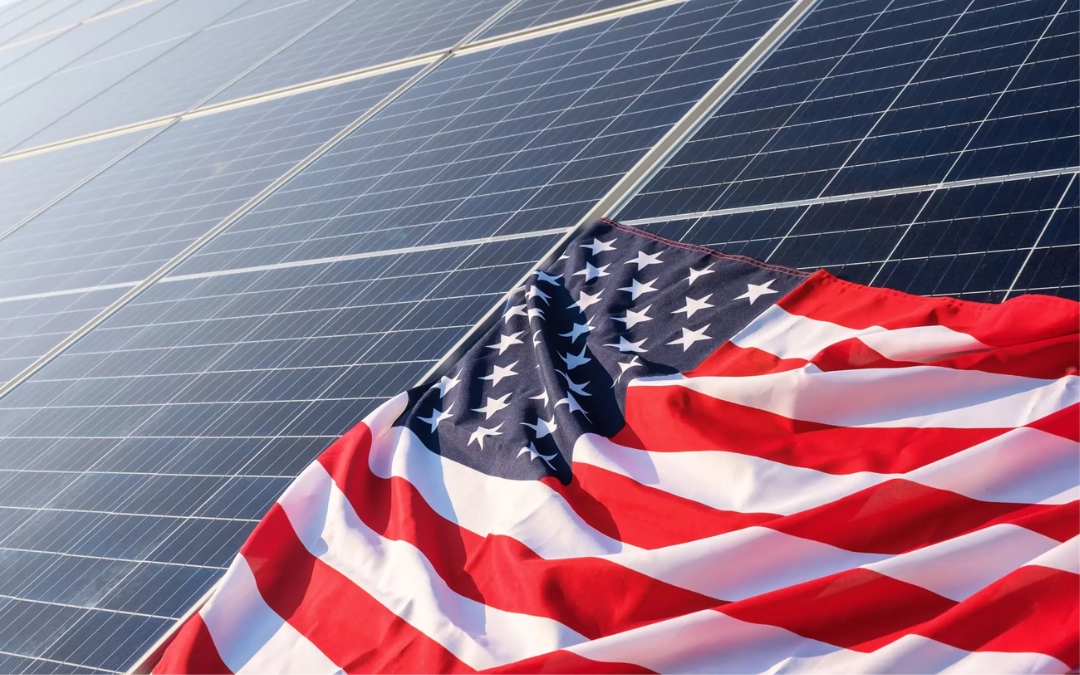
Solar pv manufacturers in the United States (US) are calling for the Biden Administration to implement stricter tariffs on solar imports.
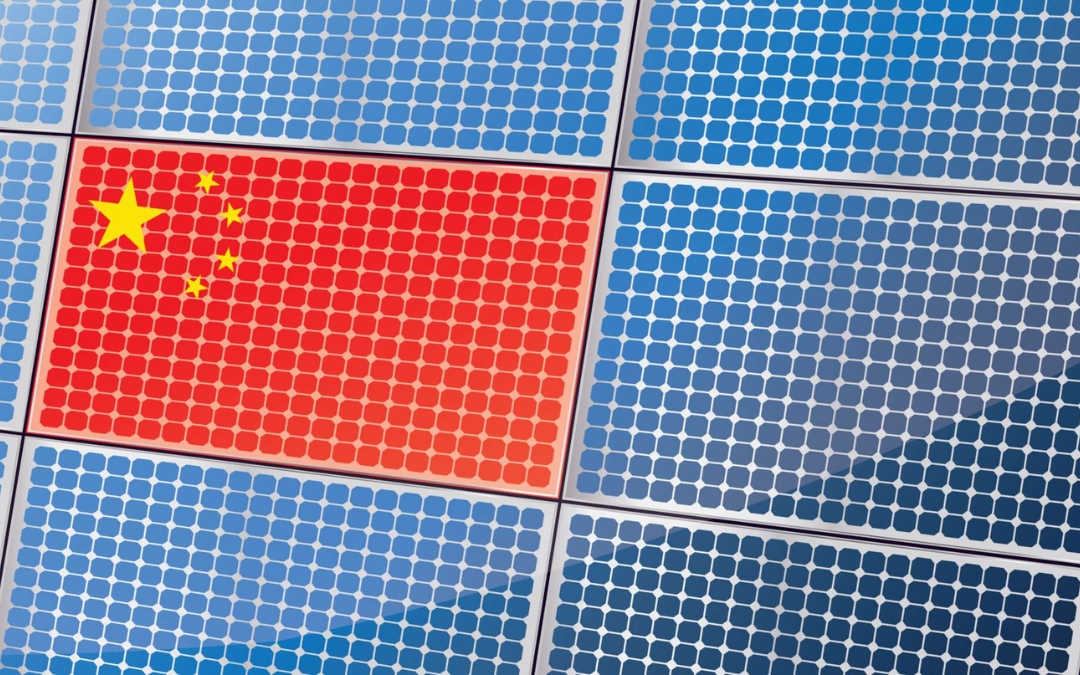
China is currently the leading solar supplier in the world for solar pv. Chinese based solar panels have assisted in halving the global price of solar pv, reaching 10cents a watt. Whilst this global price decrease has led to a boom for renewable energy developers, it has damaged the success of solar manufactures in the US. Solar manufacturers want the Biden Administration to put stronger tariffs in place on solar imports to help develop a domestic supply chain of solar pv in the US.
Currently, power companies in the US are favouring cheaper imports over more expensive domestic panels.
The government in the US already has a 14% import tax on solar imports, with an additional 25% on Chinese imports. This can raise to 200% if the imports are found to be from a Chinese manufacturer who have set up a factory in another region of Asia to avoid higher import tariffs. The US have imposed such strict tariffs on Chinese imports because of ‘China’s discriminative trade practices’.
First Solar and Heliene are two of the solar manufactures in the US that have called for stronger import tariffs. The conversation around stricter import tariffs on solar pv has put the solar industry in the US in a difficult position, especially when cheaper panel prices are a key part of the deployment of solar technology in the US. With 36GW worth of solar energy expected to be deployed this year, the US must find a solution to efficiently meet net zero targets.
The Solar Energy Industry Association have explained that the US will always have a combination of imported and domestically produced solar panels in its energy mix. The worry is not to completely neglect domestic production because of cheaper prices.
The Bill Gates backed solar wafer manufacturer Cubie PV have already scrapped plans to build a 10GW factory due to the dramatic collapse in solar pv prices. BloombergNEF have found that the US imported 50GW of panels between January-November 2023 and are anticipating cancellations and delays in US solar manufacturing to reach more than 115GW.
To combat this, First Solar have announced new factories in Alabama and Louisiana. Swiss based solar manufacturer Meyer Burger have shut its facility in Germany to boost manufacturing Colorado and Arizona. Meyer Burger have opened these factories in the US because Europe is close to losing its strategic industry due to mass Chinese imports.
These new factories will boost the amount of solar pv manufactured in the US but the country must keep hold of this domestic supply of solar pv.
For more interviews from Solar&StorageXtra and to keep up to date with all NEW content, subscribe to the Solar&StorageXtra YouTube channel and Newsletter!
To enquire about interviews, submit news and press releases please contact our Editor, Regan Slaymaker, regan.slaymaker@terrapinn.com. For sponsorship and exhibition enquires please contact Carly Binday, carly.binday@terrapinn.com.