by Regan Slaymaker | Feb 21, 2024 | Market Reports
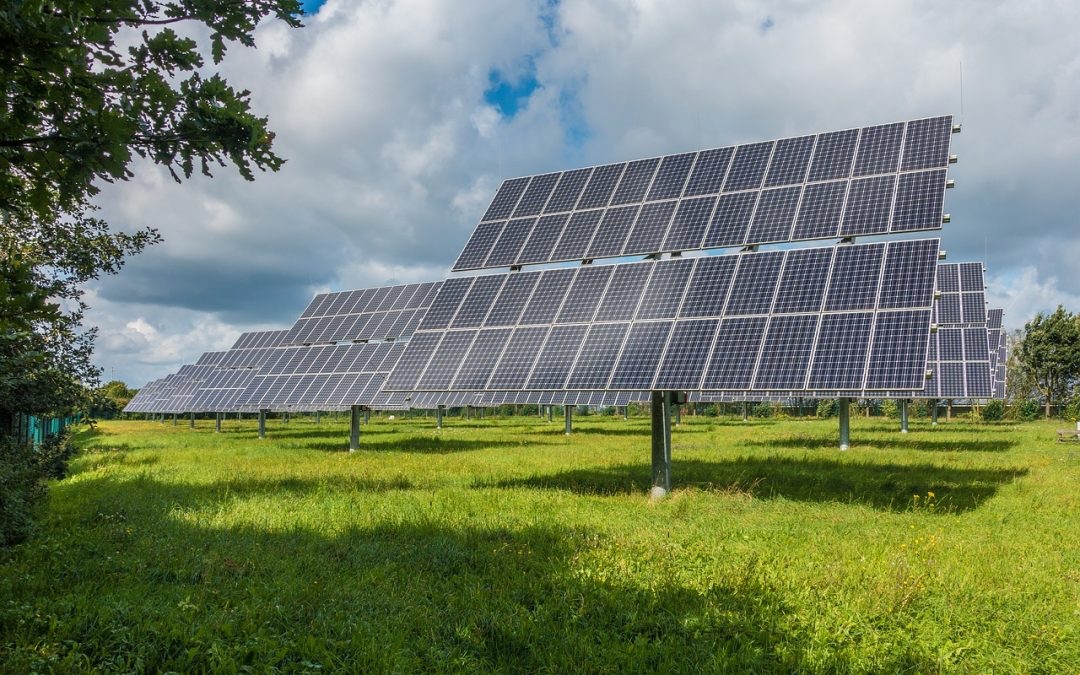
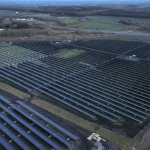
(Image credit: Cedar Creek Energy)
The continued growth of the UK Solar market has led to a 10.7% increase in installed solar generation in 2023l, registering a total of 17.6GW worth of electricity.
UK’s Solar targets and expectations
The UK has set and industry wide target of 70GW of installed Solar capacity by 2035 with an industry expectation of 40GW by 2030.
This means the 10.7% increase of solar in 2023 is under the 13% annual growth rate needed to reach this 2035 target.
However, the UK Solar industry is expecting the annual growth rate of solar to speed up.
A combination of supportive policies, subsides, and incentives have been put in place to decrease fossil fuel dependency, the UK’s carbon footprint and, at the same time, increase the deployment of solar technologies.
By the end of 2022, the total number of solar PV installations stood at 11,77,295 systems with 15.1GW of solar capacity registered across 1,334,453 installations by May 2023.
Solar farms are expected to contribute 2GW alone through Contract for Difference schemes between 2024 and 2025. Other renewable systems are working under Power Purchase Agreements or as merchant facilities.
The commercial scale rooftop solar market registered around 15,000 installations with 3GW expected to be deployed on both roofs and on the ground in 2024.
If all these targets are met, total solar generation capacity would increase way over 20GW.
What is happening in the UK?
The average home in the UK consumes between 7 and 11kilowatts of electricity each day.
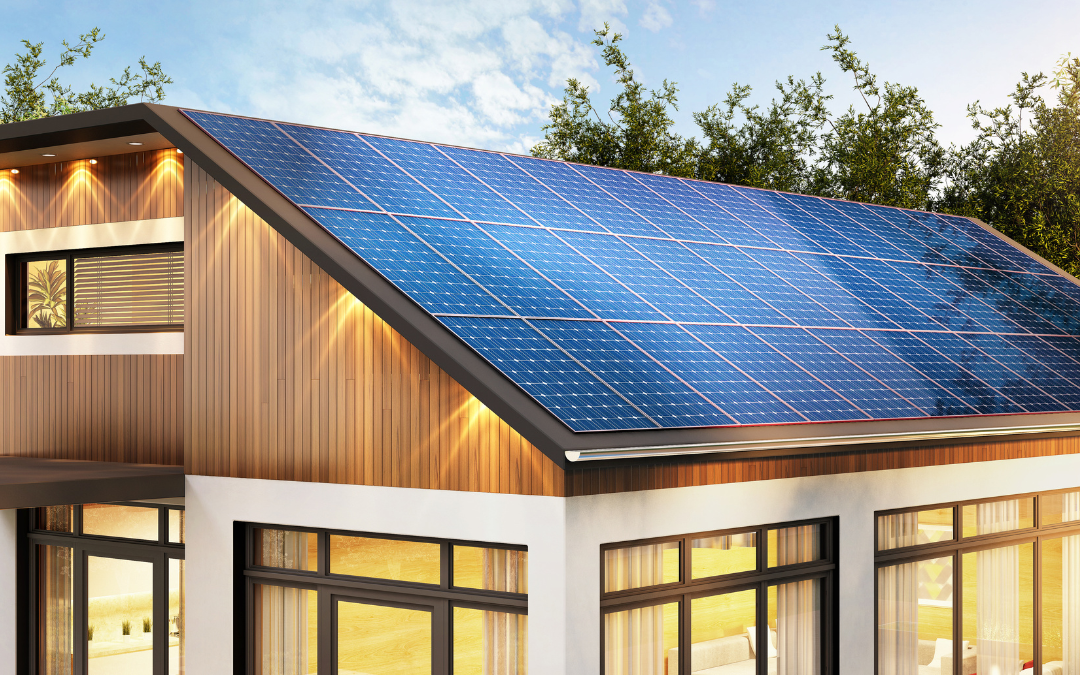
With installations constantly increasing, residential solar technologies create 3kW worth of electricity.
Significantly reducing energy consumption.
The largest solar farm in the UK is the Skotwich Park Solar Farm. Owned by British Solar Renewables, the solar farm currently generates 72MW of capacity.
By the end of 2024, the Project Fortress Solar Farm in Faversham should have been commissioned. The site, once operational, is expected to have a 373MW capacity with a 700megawatt hour battery storage system included.
The largest commercial scale rooftop installation is located at the Associated British Ports of Hull (6.5MW) and the largest single roof installation is at the Marks and Spencer’s East Midlands distribution centre (6.1MW).
In total, 4.7% of the UK’s total electricity generation was from solar in 2023 with solar technology being installed on over 1.2million rooftops.
What challenges does the UK face?
Two issues that could stall and prevent Solar’s continued growth in the UK is the amount skilled individuals in the sector and the issues in infrastructure.
Infrastructure upgrades are essential in ensuring renewable technologies are connected to the grid efficiently.
Government and grid operators have committed to accelerating these upgrades, but it is whether the industry has enough skilled workers to install these changes.
According to the ‘Race to Net Zero’ report, 400,000 new jobs must be created, by 2050, to meet the capacity for the energy transition.
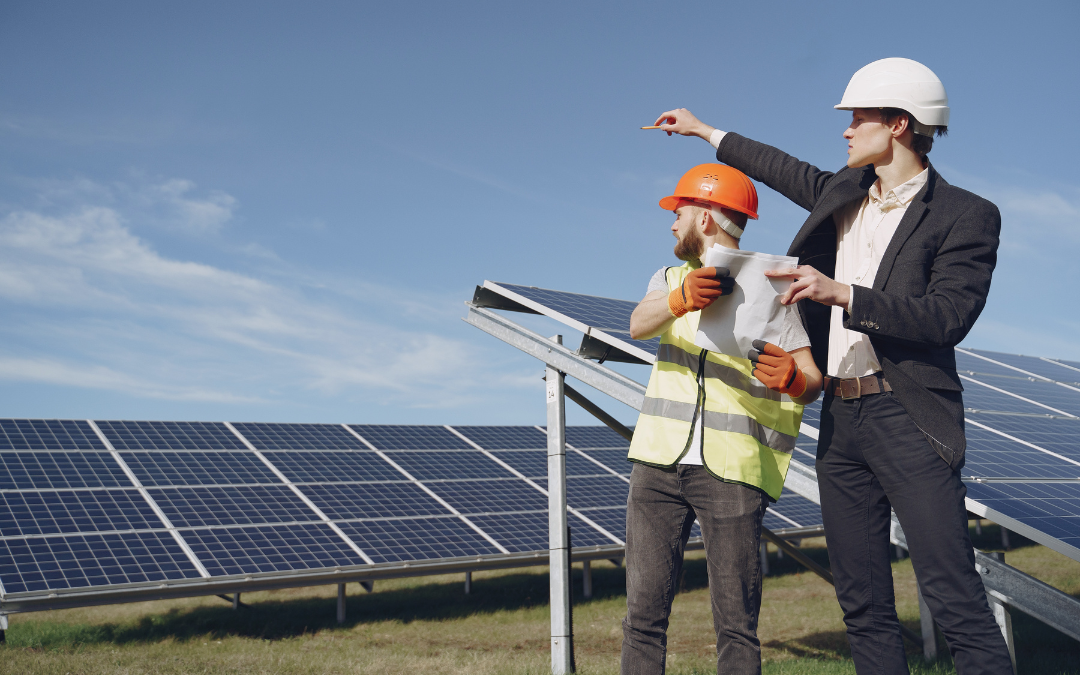
Upskilling the current workforce and bringing in a new, trained workforce will help the UK solar industry stay on track to reach industry targets.
Market leaders in the UK’s Solar market:
- Electricite de France SA
- Lightsource BP
- Hive Energy
- Renewable Energy System ltd
- Ecotricity Group ltd
Conclusion
The UK solar market continues to show a significant rise in the deployment of solar technology, installed capacity, and renewable generation. Whilst annual growth rate percentage is below what it needs to be to reach the UK’s 70GW target by 2035, there is every expectation the growth rate will speed up. Appropriate government policies, subsides, and incentives for residential, commercial, and industrial consumers around deployment and employment will prevent any challenges that could stall the solar market’s growth in the UK. With more and more solar projects being commissioned each year, the UK is well on its way to reach their 70GW target of installed solar capacity by 2035.
In 2024, the Solar and Storage Live event series will host two events in the United Kingdom.
The first will be Solar and Storage Live London at the Excel Centre between 29th-30th April, the second will be our flagship event in Birmingham at the NEC between the 24th and 26th of September.
For more interviews from Solar&StorageXtra and to keep up to date with all NEW content, subscribe to the Solar&StorageXtra YouTube channel and Newsletter!
To enquire about interviews, submit news and press releases please contact our Editor, Regan Slaymaker, regan.slaymaker@terrapinn.com. For sponsorship and exhibition enquires please contact Tom Moon, tom.moon@terrapinn.com.
by Regan Slaymaker | Feb 19, 2024 | Large Scale Utility Solar
(Photo credit: David Sanchez via Electrek)
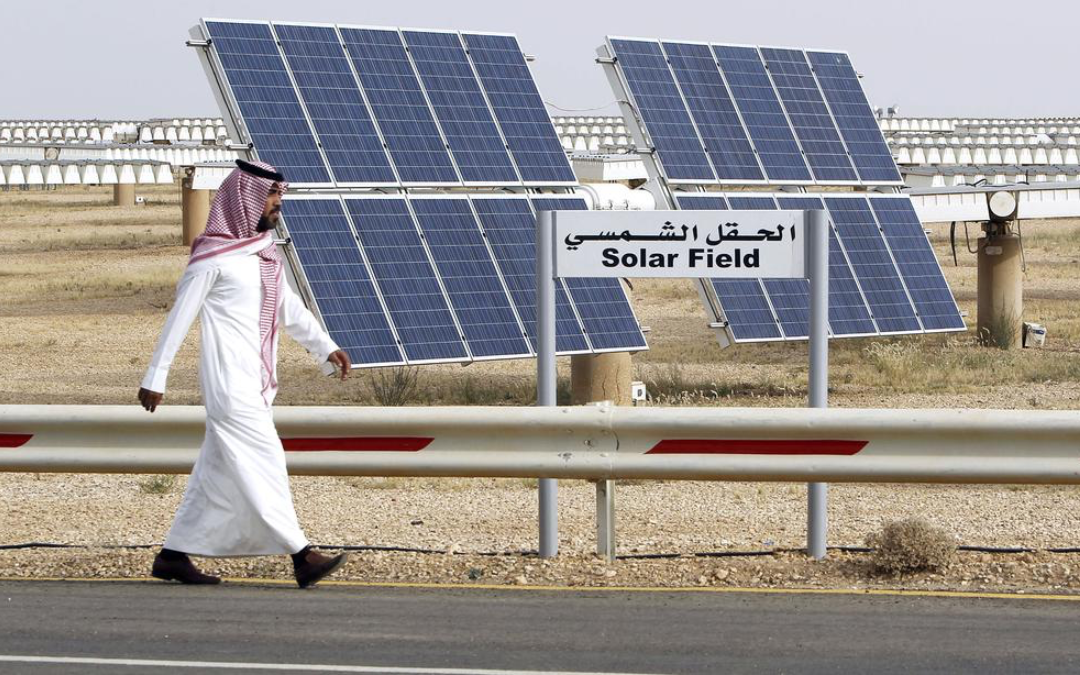
The growth of renewable electricity generation in Saudi Arabia has continued to rise.
The government in Saudi Arabia have set their ‘Vision 2030’ strategy for the country and have directed the ‘Public Investment Fund’ (PIF) to provide financial support for the renewable strategy.
Current targets for Saudi Arabia’s Vision 2030 strategy include:
- To develop 70% of the Kingdom’s renewable energy capacity by 2030.
- Reach carbon neutrality by 2030.
- Establish net zero carbon emissions by 2050.
The PIF are currently mandated to invest $40bn annually to achieve these targets.
The explanation for such support for the renewable energy transition is because Net Zero is not only viewed as an environmental solution for Saudi Arabia but a major business opportunity.
Saudi Arabia seek to become the lowest-cost producer of renewable energy following on from already having the lowest solar power tariff available.
Solar projects in Saudi Arabia form a key part of the governments renewable energy programme.
Solar has a target of 40GW which would equal two thirds of total renewable energy capacity in Saudi Arabia.
Saudi utility company ACWA Power have signed an agreement with Badeel, water and electricity company in Saudi Arabia, to build the world’s largest single-site solar plant in Al Shuaibah, Mecca Province.
The facility is expected to be operational by the end of 2025 with a generating capacity of 2060MW.
The project is both developed and operated as a 50/50 joint venture between ACWA and Badeel. The two companies also lead the Sudair 1.5GW solar facilities.
Each project is backed by the Saudi Arabia Sovereign Wealth fund and the PIF who hold a 100% stake in ACWA and Badeel.
Overall, clean energy projects in Saudi Arabia are expected to see a continuous increase. The more projects that are developed, the more of Saudi Arabia’s climate objectives will be met.
For more interviews from Solar&StorageXtra and to keep up to date with all NEW content, subscribe to the Solar&StorageXtra YouTube channel and Newsletter!
To enquire about interviews, submit news and press releases please contact our Editor, Regan Slaymaker, regan.slaymaker@terrapinn.com. For sponsorship and exhibition enquires please contact Sara Atwi, sara.atwi@terrapinn.com.
by Regan Slaymaker | Feb 14, 2024 | Commercial & Industrial Solar, Large Scale Utility Solar
(Image credit: Dennis Schroeder/NREL)
In the United States, the North Carolina Clean Energy Technology Centre use the Database of State Incentives for Renewable Efficiency (DSIRE) to asses solar trends in the country.
The DSIRE keep businesses and consumers updated on distributed energy structures and incentives related to the industry.
Fast changes in policy across the 50 States have been a key factor in changes in distributed solar and energy storage markets across the US.
Changes in metering structures by individual states and utilities have led to changes in rate structures for residential and non-residential customers.
In total, 273 state and utility level distributed solar policies and rate changes were proposed, pending, or delivered in 2023.
Regulators across the US have announced legislation to increase size limits on aggregators for Solar.
West Virginia, Michigan, and North Carolina all made changes to increase distributed solar sites in 2023.
Other changes included creating incentives for low-to-moderate income households. The United States Protection Agency announced a $7bn ‘Solar for All’ program to encourage ‘income-qualified customers’ to adopt solar.
In addition to this, an expansion of community solar was also established.
This facilitates renewable generation in exchange for utility bill credit.
Maryland, Minnesota, and New Jersey have approved of these plans to offer ‘low-to-moderate’ income customer participation in renewable energy.
Accompanying solar with battery storage technology have continued to make an impact in the US.
by Regan Slaymaker | Feb 14, 2024 | Commercial & Industrial Solar
(Image credit: Solarfeed)
Philippines based solar energy company Upgrade Energy Philippines (UGEP) have started 2024 by setting an ambitious solar target.
Through rooftop and ground mounted solar installations for Commercial and Industrial (C&I) customers, UGEP aim to reach 700MW of solar generation by 2028.
Acting as the engineering, procurement and construction (EPC) contractor, UGEP have successfully completed the largest consumer driven rooftop solar installation in the Philippines; a 11.811MW project for the Merbau Cooperation.
The project is a joint venture with electrical power company Abolitz Power and plans to offer zero up-front costs on Solar solutions for C&I customers to expand into utility scale wind farm development and battery energy storage solutions.
by Regan Slaymaker | Feb 14, 2024 | Commercial & Industrial Solar, Video
It was a pleasure to interview Jason Hunter, UK Sales Manager (Energy Storage Solutions) for Dale Power Solutions ahead of their participation at Solar and Storage Live London (April 29-30) 2024!
Solar&StorageXtra is the new publishing part of the Solar and Storage Live event series where we will be interviewing our esteemed speakers, exhibitors, sponsors and attendees to get their live reactions to the event and the important discussions within the industry.
Jason joined Solar&StorageXtra to discuss the importance of battery energy storage systems (BESS), the debate around ‘behind the meter’ battery energy storage systems (BESS), and Dale Power Solutions’ ‘Wheel of Success’.
Dale Power Solutions’ ‘Wheel of Success’ is a new energy storage project that will be fully unveiled at Solar & Storage Live London. The battery storage projects are powered by a new and exclusive battery storage tariff from UK utility E.ON which provides guaranteed renewable electricity.
So far, companies modelled under the Dale Power Solutions’ ‘Wheel of Success’ have shown between a 40% and 87% reduction in energy bills, with commercial and industrial companies cutting their CO2 output significantly through the acquisition of a BESS under the unique Dale Power Solutions project.
What the project essentially does is allow an organisation to purchase 100% renewable electricity at night to cheaply charge their BESS which discharges to the site load during operational hours when electricity is more expensive.
Dale Power Solutions partners for the ‘Wheel of Success’ include Eft Systems for the BYD MC Cube product, E.on, Capitas Finance, Chubb insurance and the London Fire Brigade for projects inside the M25, to help ensure the safety of the system.
Eft have over 600,000 BESS Systems installed, both residential and small commercial and are integrating the BYD product with inverters, transformers and EMS for Dale Power Solutions.
Jason explained at a current 11.2MWh behind the meter battery storage project, the business currently consumes 11GWh of electricity per year costing them just over £2,000,000. With Dale Power Solutions ‘Wheel of Success’, this consumer has saved £1,200,000 of their electricity bills and reduced their Scope 2 emissions from 3,700 tCO2e per year to 536t, a saving of over 3,200 tons of CO2e per year!
Make sure to visit Dale Power Solutions at Stand G8 at Solar and Storage Live London, April 29-30 2024!
For more interviews from Solar&StorageXtra and to keep up to date with all NEW content, subscribe to the Solar&StorageXtra YouTube channel and Newsletter!
To enquire about interviews, submit news and press releases please contact our Editor, Regan Slaymaker, regan.slaymaker@terrapinn.com. For sponsorship and exhibition enquires please contact Tom Moon, tom.moon@terrapinn.com.
by Regan Slaymaker | Feb 13, 2024 | Innovation
Labour have officially back tracked on its £28bn ‘Green Prosperity Plan’.
Originally announced in September 2021, Labour’s ‘Green Prosperity Plan’ was a key part of the parties’ plan to reach climate targets and secure new net zero jobs.
The plan is not supposed to be dropped altogether but Labour will no longer commit £28bn to the target.
The U-turn was already anticipated by various political commentators.
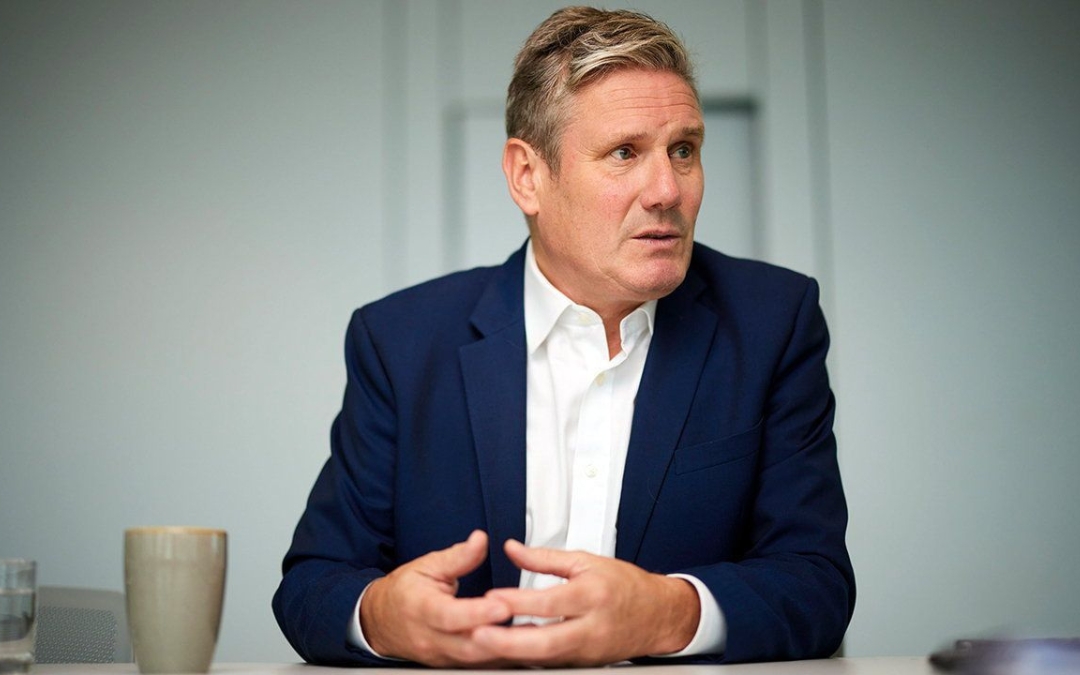
In separate interviews Labour Leader Sir Kier Starmer, Shadow Chancellor Rachel Reeves, and Shadow Business Secretary Jonathan Reynolds all gave different answers about Labour’s commitment to the plan.
Starmer reaffirmed Labour’s commitment, Reeves said Labour couldn’t commit to the £28bn pledge, whilst Reynolds neither confirmed nor denied either stance.
The plan was already set to be watered down in June 2023.
The £28bn commitment was being planned to be met halfway through its first term, instead of its first year.
The Institute of Fiscal Studies think tank have said Labour’s plan would have delivered high levels of public investment by current UK standards.
Whilst the £28bn project has been u-turned, Labour have clarified where some of their renewable funding will go.
£6bn a year will be spent on loans and grants for families needing home insulation with a further £500m a year on grants for companies bringing in green jobs.
A further £8bn is set to be provided for investment funding, £2bn for 8 battery factories, £1.8bn for 9 ‘renewable ready’ ports, and £3bn for 6 ‘clean steel’ plants.
It is important to note this £8bn is a one-off investment figure.
Despite Labour’s new investment plans for renewable projects, the U-turn has come under heavy criticism.
Co-Leader of the Green Party, Carol Denyer said this about the U-turn:
“This is a massive backward step – for the climate, for the economy and for good quality jobs. Both the security of our planet and future generations and the UK’s future prosperity is dependent on greening our economy and that requires a large-scale investment.”
For more interviews from Solar&StorageXtra and to keep up to date with all NEW content, subscribe to the Solar&StorageXtra YouTube channel and Newsletter!
To enquire about interviews, submit news and press releases please contact our Editor, Regan Slaymaker, regan.slaymaker@terrapinn.com. For sponsorship and exhibition enquires please contact Tom Moon, tom.moon@terrapinn.com.
by Regan Slaymaker | Feb 8, 2024 | Large Scale Utility Solar
North Africa has emerged as a region that has enormous potential to catapult solar energy development.
However, significant investment and public support for solar is needed to guarantee the success of large-scale projects.
Currently there are 3 countries that are leading the deployment of Solar PV in North Africa.
Egypt have set a target of having 42% of its electricity to be generated by renewable sources by 2035.
In 2019, the Ben Bon Solar Park was commissioned with a total installed capacity of 1650MW.
In 2021, Egypt signed a $700,000,000 contract for the Kom Ombo Solar Energy Complex to install 32 solar power projects on site.
Overall, power from renewables is expected to increase from 3.51GW in 2020 to 13.7GW in 2030.
Solar is set to contribute 7.71GW by 2030.
In Morocco, renewable energy makes up two fifths of the total electricity generation.
The Moroccan Government has committed to increase the number of renewable technologies in its electricity mix to 53% of total generation by 2030.
Solar PV is expected to make up 20% of total renewable energy capacity.
There are currently 3 solar projects currently operational in Morocco:
- Noor I – With a 170MW capacity, it is the World’s largest CSP power plant.
- Noor II – 200MW capacity.
- Noor III – A 150MW CAP plant.
All 3 have been generating clean energy for Morocco’s electricity grid since 2019.
Kuwait is currently falling behind in installing Solar PV plants but is actively trying to increase its solar capacity.
The public sector in Kuwait is pivotal to the success of solar installations.
Subsides for electricity tariffs have helped raise awareness for rooftop solar systems.
As the importance of rooftop solar continues to become more relevant, renewable energy development is expected to reach Kuwait’s renewable energy targets.
The continued success of solar in Egypt, Morocco, and Kuwait are proving that solar can reach its potential in North Africa. Once this success is recognised it will lead to increased public support and more investment for renewable technologies.
For more interviews from Solar&StorageXtra and to keep up to date with all NEW content, subscribe to the Solar&StorageXtra YouTube channel and Newsletter!
To enquire about interviews, submit news and press releases please contact our Editor, Regan Slaymaker, regan.slaymaker@terrapinn.com. For sponsorship and exhibition enquires please contact Sara Atwi, sara.atwi@terrapinn.com.
by Regan Slaymaker | Feb 8, 2024 | Commercial & Industrial Solar
(Image: Recurrent Energy)
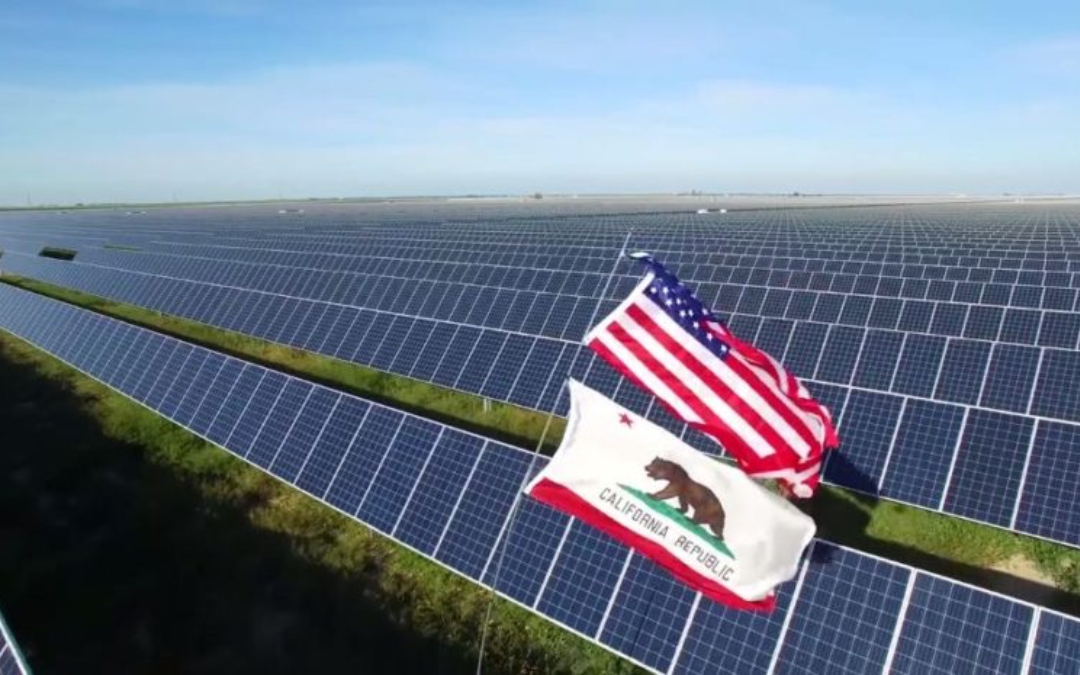
Solar PV technologies are leading the energy sector in decreasing carbon emissions coming out of the United States (US).
2023 saw Solar PV projects deployed at record levels in the US.
In total 184TWH of electricity was generated by utility scale solar projects in the US.
This amount produced by large scale solar projects is 130% higher than what was generated in the US 5 years ago.
This is enough electricity to power 14,000,000 homes and equal to 4% of the US’ total generation.
Utility scale solar saw a steep rise in 2023. 20.8GW worth of new utility scale solar projects were installed in 2023.
Another 8.8GW should have been installed in December 2023 alone, subsequently allowing Solar’s new capacity installations to overtake gas.
Partnering the rise of solar installations in the US was an increase in installed energy storage solutions.
14GW of storage installed in the US were driven by electricity markets with large amounts of solar.
The US installed 5GW of energy storage in November 2023. This meant more storage was installed in 11months of 2023 than the entirety of 2022.
The continued rise of solar has mean the amount of coal used by power companies and the amount of CO2 emitted has shown a continuous decline.
by Regan Slaymaker | Feb 8, 2024 | Large Scale Utility Solar
(Photo credit: World Economic Forum)
The transition to renewable electricity generation is accelerating across the globe with the Middle East leading the way in the deployment of renewable technologies.
The potential for renewable technologies, especially Solar PV, has been fully capitalised on allowing clean energy generation to increase across the region.
The United Arab Emirates (UAE) is leading the energy transition in the Middle East.
The nation’s current target is to generate 50% of its electricity from carbon free technologies mainly driven by Solar PV.
Dubai itself is intending to generate 75% of its energy from renewable technologies by 2050.
The Mohammad bin Rashid al Maktoum Solar Park, located in Dubai, is the largest single site Solar Park in the World with a capacity of 5GW.
Its current capacity registers around 900MW and is set to be completed in 2030.
Saudi Arabia has set ambitious targets to increase its renewable capacity from 9.5GW to 27.3GW.
This target was set in the countries National Renewable Energy Program.
Of the 27.3GW, 20GW is set to come from Solar PV. Solar PV in Saudi Arabia has been accelerated by large utility scale projects in the region.
Regulations have forced power distributors to install rooftop Solar PV systems ranging from 1KW and 2MW for homeowners.
In Abu Dhabi, a new cycle of tenders has been distributed to increase solar capacity.
The solar park at Noor is the World’s largest Solar Park with a total of 1.18GW. The project is operational and uses over 32,000,000 solar panels to generate electricity.
One of the countries that received the highest radiation of solar in the Middle East is Oman.
The country has only recently begun operating in the solar industry but have begun building solar farms.
by Regan Slaymaker | Feb 2, 2024 | Large Scale Utility Solar
Over 2023, a lot of consumers in South Africa took energy security into their own hands.
Despite having the third largest economy in the world, rolling blackouts since 2007 have caused a lack of energy security across the country.
Frequent breakdowns and unplanned outages have significantly reduced the electricity available on the grid.
South Africa’s national utility, Eksom, have survived through a series of state bailouts and the Just Energy Transition Partnership.
Through this partnership, advanced economies across the world were set to provide around $8,500,000,000 to support the decarbonisation of South Africa’s failing power sector.
This is a step in the right direction but the development of solar is too slow.
The South African population have taken electricity matters into their own hands to such an extent a nationwide solar rooftop boom is anticipated.
In the first quarter of 2023 alone, South Africa imported five times as many batteries than the whole of 2022.
In total, South Africa’s installed rooftop solar capacity increased from 983megawatts (MW) in the March of 2022 to 4412MW in June 2023.
Registering a 349% increase in less than a year.
The rooftop solar boom has increased energy security for consumers across South Africa.
The government in South Africa is actively encouraging the uptake of rooftop solar with new consumer led policies.
Consumers are now able to claim up to a 25% rebate on new solar panel installations on homes. The offer is available between the 1st of March 2023 and the 29th of February 2024.
Over time, the roof top solar boom will contribute to a full decarbonisation of South Africa’s electricity grid.
by Regan Slaymaker | Jan 31, 2024 | Large Scale Utility Solar
On Wednesday, the Biden Administration announced some potential revisions to the USA’s solar development plan.
The revisions include new projects that will power half a million households in Arizona and surrounding states.
The goal for these revisions is to fully decarbonise the nation’s electricity grid by 2035.
The Bureau of Land Management have revisited the 2012 solar plan to create solar development zones in Idaho, Montana, Oregon, Washington and Wyoming.
In addition to this, the revisions will plan to build on solar development zones already planned or created in Arizona, California, Colorado, New Mexico and Utah.
In total, the plans are set to encourage solar development on 22million acres of land that is within 10miles of transmission lines.
So far, 47 clean energy projects have been established and are generating 11,236megawatts (MW) of electricity. This is enough electricity to power 3.5million homes.
The revisions have updated the total progression on projects located in the south-west.
Currently, the projects will add 17,000MW of solar and 13,000MW of battery storage on to the electricity grid.
In Arizona, the White Wing Ranch solar installation project and the Harquahala Valley Sunrise transmission project will end up generating enough power for 100,000 homes.
Overall, the Biden Administration have solidified their position on increasing solar generation in the USA.
by Regan Slaymaker | Jan 30, 2024 | Large Scale Utility Solar
(Image credit: The National News)
The Middle East is successfully transitioning away from a fossil fuel heavy electricity system to one based off renewable generation.
Clean energy capacity in the Middle East has doubled between 2010 and 2020 to 40GW, it is now forecast to double to 80GW by 2024.
The UAE is considered the industry leader when it comes to renewable energy generation.
A scale up of solar, wind, biomass and low-carbon hydrogen technologies have led the country to set a clean energy input target of 50% by 2050.
The Mohammad bin Rashid al Maktoum Solar Park is a key project that will assist the nation in reaching this goal. Operational since 2013, and soon to be the World’s largest single-site solar farm, the project is expected to reach 5GW by 2030.
This is enough electricity to power 320,000 homes and create 1280 energy sector jobs.
Saudi Arabia are targeting an energy from renewable sources to make up 50% of the energy by 2030. Solar farms are set to be the driving force of this target.
The Neom megacity in Saudi Arabia is currently under construction where the entire city will be powered by solar and other renewable technologies like wind power.
Saudi Arabia’s first wind farm, and the largest in the Middle East, began construction in 2019. The Dumat al-Jandal wind farm will be connected to the grid in 2030 and is expected to have an energy capacity of 400MW and create over 1000 jobs.
Overall, the Middle East has transitioned from an electricity supply of 98% fossil fuels to one soon to be dominated by renewable generation.
A combination of appropriate legislation, large scale projects and a shift in other countries position on net zero have influenced this change. So much so, solar power is set to account for 15% of the Middle East’s power mix by 2030.
For more interviews from Solar&StorageXtra and to keep up to date with all NEW content, subscribe to the Solar&StorageXtra YouTube channel and Newsletter!
To enquire about interviews, submit news and press releases please contact our Editor, Regan Slaymaker, regan.slaymaker@terrapinn.com.
For sponsorship and exhibition enquires please contact Tom Moon, tom.moon@terrapinn.com.
by Regan Slaymaker | Jan 24, 2024 | Commercial & Industrial Solar
(Image credit: Nguyeg Quang Ngọc Tonkin/Shutterstock)
According to a recent report by Global Energy Motor, solar and wind capacity in the Association of Southeast Asian Nation (ASEAN) region has increased by 20% to 28gw.
Solar and wind technologies now make up 9% of the total electricity generated across the countries.
Over the next two years, an extra 17gw worth of utility-scale wind and solar projects could be constructed if energy targets are kept to.
ASEAN regions are actually set to smash this target with 23gw expected to be constructed.
Collectively, ASEAN nations have one of the fastest growing economies in the world.
Electricity demand continued to grow by 22% between 2015 and 2021, which could either provide a massive opportunity for wind and solar or increase the use of fossil fuels.
The major successes around increasing renewable capacity have come from solar and wind technologies.
ASEAN nations have added 3% of solar capacity, increasing total solar capacity by 17% from 2022 levels.
Wind had a larger comparative rise, increasing by 29% from January 2023.
At its current stage, there are 222gw of utility-scale wind and solar projects in pre-construction or construction stage in the region.
Over 185gw of the projects are located in the Philippians Philippines and Vietnam, with both countries making up 80% of the total growth of wind and solar.
Vietnam is leading ASEAN nations in utility-scale solar and wind capacity.
Supportive environmental policy and a series of investment policies have contributed to this change since 2017.
12gw of utility-scale solar capacity has been added between 2019 and 2021.
57gw of planned offshore wind development is located in Vietnam with 72% of the nations 86% prospective capacity being generated from offshore wind.
Thailand registered the second highest utility-scale solar and wind capacity in the ASEAN region. The country has an operational capacity of 3gw and the second largest economy after Indonesia.
Limited barriers to investment have allowed the solar and wind industries to boom in the region.
The Philippines also registered an operational capacity of 3gw but are third in utility-scale solar and wind capacity in the region. Three quarters of their operational utility-scale capacity comes from solar power.
Their ‘Green Energy Auction Programme (GEAP)’ has helped facilitate the development of more than 116gw of renewable energy.
In March 2023, there were 300bids to develop 3gw of solar, onshore wind and bio energy.
Capacity did fall short of its target but a 75% increase from 2022’s auction did occur, showing a clear increase in interest for renewable generation.
52% of the Philippines’ total utility scale renewable capacity is from offshore wind, 5x more than onshore.
In addition to this, an executive order was issued in April 2023 that outlined the cooperation between private investors and government on the development of offshore wind.
Current contracts represent 61gw of capacity with planned projects in development equalling 52gw.
Laos is aiming for a huge rise in utility-scale solar and wind projects. Current development in the region has surpassed Malaysia by 150% with an economy that is 30x smaller.
Laos is set to build the regions largest onshore wind farm and is set to generate 600mw when completed.
ASEAN nations have showed a lot of success but the region only has approximately 6.3gw of solar and wind projects currently under construction.
A lack of policies in Vietnam have led to only 2% of projects being built and 40gw of solar and wind project to potentially be stalled.
To tackle this, Vietnam have developed the ‘just energy transition partnership’, the National Electrical Development plan (2021-2050) and the Power Development Plan 8 to action and speed up renewable deployment.
On the positive side, ASEAN nations are set to hit their 35% of renewable generation capacity target by 2025, already registering 32% capacity.
Only 17gw of new renewable capacity will need to be built by the deadline.
by Regan Slaymaker | Jan 22, 2024 | Commercial & Industrial Solar
As with all rooftops, various creatures can create a home on top of yours.
Whilst this can be an annoyance, animals nesting on your rooftop can rarely cause damage to you or your home.
However, as solar PV installations increase, wildlife nesting on your rooftop in and around your panels could cause damage to yourself and your property.
Overall, wildlife nesting in and around Solar PV can decrease the system’s efficiency.
Natural movement of birds can loosen wiring connections to Solar PV. Squirrels are also known for biting into electricity cables.
Nesting build-up can also interfere with panel ventilation.
The gaps between the roof and other panels act as ventilation to keep the electricity system cool. Nesting build-up can interfere with the ventilation system, heat up and cause an electrical fire. The nest will also, unfortunately, acts as kindling for the fire.
However, the largest problem facing Solar PV efficiency is not an obvious one… no guesses?
That’s right… bird poo.
Bird poo reportedly accounts for anywhere between 46.42% and 89.18% of efficiency lost in solar PV. When left to fester, it can cause permanent damage to the panel.
Lovely…
Ultimately, surrounding wildlife to your home can undo the hard work and precision taken by installers and, therefore, lead to expensive repairs.
What consumers need to do is address these potential issues before they occur.
Some of the solutions that can prevent damages caused by wildlife to your solar PV include:
- Kites and robotics in the shape of predator birds to scare away nesting wildlife.
- Installing audio components of high pitch frequencies to deter creatures.
- Putting up fencing or netting to prevent wildlife from returning to your roof.
These are just some of the solutions that can prevent your rooftop solar pv from becoming damaging or needing replacement.
For more interviews from Solar&StorageXtra and to keep up to date with all NEW content, subscribe to the Solar&StorageXtra YouTube channel and Newsletter!
To enquire about interviews, submit news and press releases please contact our Editor, Regan Slaymaker, regan.slaymaker@terrapinn.com.
For sponsorship and exhibition enquires please contact Tom Moon, tom.moon@terrapinn.com.
by Regan Slaymaker | Jan 18, 2024 | Everything Installer, Video
It was a pleasure to interview George Rawding, Communications Manager at GivEnergy, ahead of Solar and Storage Live London where GivEnergy are the title sponsor for the event!
Solar&StorageXtra is the new publishing part of the Solar and Storage Live event series where we will be interviewing our esteemed speakers, exhibitors, sponsors and attendees to get their live reactions to the event and the important discussions within the industry.
George joined Solar&StorageXtra to discuss GivEnergy’s participation at Solar and Storage Live, the potential barriers to installing battery storage systems and GivEnergy’s investment in the local community.
George explained that cost can be the main barrier to the installation of battery storage technology. The cost of living crisis has led to less consumers having the disposable income to install battery storage.
However, GivEnergy are able to keep costs of their products at a lower rate because they manufacture their own products.
Partnering with E.ON and Octopus EVs have allowed consumers a payback scheme to make the transition to a renewable energy system easier and more accessible.
GivEnergy also work with social housing projects so tenants can feel the benefits of renewable energy as standard with no additional cost to their rent.
For more interviews from Solar&StorageXtra and to keep up to date with all NEW content, subscribe to the Solar&StorageXtra YouTube channel and Newsletter!
Make sure to meet GivEnergy at Solar and Storage Live London, April 29-30 2024!
For more interviews from Solar&StorageXtra and to keep up to date with all NEW content, subscribe to the Solar&StorageXtra YouTube channel and Newsletter!
To enquire about interviews, submit news and press releases please contact our Editor, Regan Slaymaker, regan.slaymaker@terrapinn.com.
For sponsorship and exhibition enquires please contact Tom Moon, tom.moon@terrapinn.com.
by Regan Slaymaker | Jan 17, 2024 | Commercial & Industrial Solar, Innovation
Energy company EDF Renewables UK have begun to scale up its solar projects in 2024. The firm have confirmed four new solar projects to kickstart their solar campaign.
To begin 2024, the company was granted permission to construct a new 49.9mw solar farm on Tye Lane in Suffolk.
Construction of the farm is set to take between 6 and 9 months to complete with the local community set to receive a community benefit fund worth £20,000.
This will be used to support more social, environmental and community projects.
The latest project to be added to EDF’s solar portfolio is a 4mw purpose built solar farm to decarbonise the Macallan Single Malt Whiskey distillery in Craigallachie.
The project is unique, becoming Macallan’s first commercial and industrial solar project of its kind.
The distillery will integrate ground mounted solar panels, alongside EDF renewables to deliver 50% of Macallan’s peak output of electricity. This equals 30% of the site’s yearly electricity output.
Operations Director of Macallan, Rachel Walters, told Solar Power Portal:
“The introduction of solar panels at The Macallan Estate is the latest initiative designed to help us build a more sustainable future, complementing the distillery’s current biomass set up and will work in tandem with other projects to accelerate our net zero targets.”
The remaining two projects include the Longfield Solar farm in Essex and an undisclosed project in Buckinghamshire.
The Longfield Solar farm is an infrastructure-based project aiming to generate 350mw of electricity.
The project has received planning consent for June 2023.
EDF’s Buckinghamshire project has entered its consultation in late September and is currently seeking feedback on layout designs.
Like with the other projects, the project plans to include a recreational area to support the local community alongside electricity generation.
For more interviews from Solar&StorageXtra and to keep up to date with all NEW content, subscribe to the Solar&StorageXtra YouTube channel and Newsletter!
Our next event is Solar and Storage Live London, April 29-30 2024!
To enquire about interviews, submit news and press releases please contact our Editor, Regan Slaymaker, regan.slaymaker@terrapinn.com.
For sponsorship and exhibition enquires please contact Tom Moon, tom.moon@terrapinn.com.
by Regan Slaymaker | Jan 16, 2024 | Commercial & Industrial Solar, Everything Installer
(Image credit: INTILION Aktiengesellschaft)
At Solar and Storage Live in Birmingham in 2024 (September 24-26), Intilion will be exhibiting their innovative, modular and scalable energy storage solutions.
In December, Initllion commissioned one of Germany’s first co-location projects with Aquila Clean Energy EMEA, AQ Ampere and solar developer CEC Solar.
The Ammerland II solar park project combines solar technologies and Intilion’s battery storage solutions to achieve optimum electricity generation and efficiency.
The solar park in Lower Saxony has a production capacity of 8.2mwp and is also equipped with a 3.2mw battery storage system from Initllion with a storage capacity of 6.9mwh. The energy storage system makes it possible to store surplus electricity during periods of high solar power production and feed it into the grid at times of peak demand.
The Ammerland II project also contributes to increasing grid stability. By feeding in balancing energy, the electricity grid is stabilized even if there are deviations from forecast electricity consumption.
The energy storage facilities in Ammerland II are large enough to store the electricity requirements of around 7,000 households for 2 hours. The combined solar plant and energy storage park has been feeding electricity into the grid for more than a month, thus supporting local production capacities.
CEO of Initllion AG, Dr André Haubrock, discussed the successful completion of the co-location project in Lower Saxony:
“With the realization of this co-location project, we have completed a pioneering project that demonstrates how our energy storage systems can drive forward the energy transition. Until now, it has been common practice to build solar and wind farms without energy storage systems. As electricity generation from the sun and wind is irregular, there is often a time lag between electricity generation and consumption. In 2022 alone, more than 8 billion kwh of electricity was therefore curtailed due to grid bottlenecks. We are counteracting this with our energy storage systems. They are hugely important for making renewable energy available when it is needed. The project now in operation in Ammerland, Lower Saxony, demonstrates the vast potential of integrating solar parks with battery storage systems for an efficient and sustainable energy supply.”
About INTILION Aktiengesellschaft
TILION Aktiengesellschaft (“Initllion”) is a provider of innovative, modular and scalable energy storage solutions (ESS). The product and service portfolio are particularly suitable for system-relevant and critical infrastructures such as commercial, industrial and power grids.
The storage capacities of the company’s intelligent lithium-ion-based ESS products range from 70kwh to 100mwh. With its range of solutions and services, Initllion is a forerunner on the way to a decarbonised, flexible, and digital energy sector, enabling the transition towards climate-neutral, renewable and clean energy use.
Initllion’s customers include local, regional, and international utilities and energy distributors, as well as system distributors and engineering, pro-curement and construction (EPC) contractors within Europe. Initllion is headquartered in Paderborn, Germany, and belongs to the family owned HOPPECKE Group, with a heritage of more than 95 years of expertise and engineering excellence in batteries.
For more interviews from Solar&StorageXtra and to keep up to date with all NEW content, subscribe to the Solar&StorageXtra YouTube channel and Newsletter!
Our next event is Solar and Storage Live London, April 29-30 2024!
To enquire about interviews, submit news and press releases please contact our Editor, Regan Slaymaker, regan.slaymaker@terrapinn.com.
For sponsorship and exhibition enquires please contact Tom Moon, tom.moon@terrapinn.com.
by Regan Slaymaker | Jan 15, 2024 | Market Reports
(Source of information: Mordor Intelligence / Image credit: Enel Spa)
The first event of the Solar and Storage Live calendar in 2024 is Solar and Storage Live Africa in Johannesburg between 18-20 March 2024.
South Africa is experiencing a rise in the deployment of solar generation but the continued potential of solar in the country is particularly exciting.
South Africa receives sunshine for more than 2500 hours per year. Subsequently becoming a focal point for developing the solar market in Africa and the Middle East.
The current market size of solar is estimated at 6.68gw (in 2024) with this expected to increase to 11.03gw by 2029.
At its current rate, South Africa is expected to register a Compound Annual Growth Rate of 10.56% during the forecast period of 2024-2029.
Increased demand for clean energy generation is expected to stimulate market growth of South Africa’s solar energy market.
In order to increase Solar’s impact on the country, South Africa must reduce their reliance on fossil fuels. Only then will renewable energy experience a significant market growth.
Industry Action and Government Policy
The South African government have set an industry target of generating 18gw of renewable energy by 2030 with solar expected to make a significant proportion of this target.
The Renewable Energy Independent Power Producer Procurement Programme was established to help facilitate reaching this target.
This programme has successfully attracted investment and support with over 600mw worth of renewable energy projects being allocated to bidders. Most of these projects will be focused on wind and solar generation.
In 2022, South Africa also launched a 300mw renewable energy programme. The first round of funding focused on procuring independent power producer projects with capacity ranges between 5mw and 20mw. The second funding round focused on projects on over 20mw.
South Africa’s efforts to reduce its reliance on fossil fuels and increase market growth of renewables is moving in the right direction. However, South Africa is still the 7th largest coal producer in the world with coal-based thermal power plants accounting for 76% of electricity generation in 2021.
The Climate Commission of South Africa have set out to transition the country from a fossil fuel-based system to a renewable power system.
To do this, a deployment of 150gw of wind and solar capacity is needed by 2050. Registering an increase of 4gw per year.
According to the Blended Finance Taskforce and Slettenbrook University Centre for Sustainability Transitions, South Africa will need approximately $260billion over the next 3 decades to transform to a renewable energy system. This is 3% of South Africa’s annual gdp.
The deployment of Solar PV has become a significant focus for the energy industry in South Africa with solar PV segments expected to dominate the market. In 2022 total installed capacity is estimated at 5.826mw.
Since 2022, energy companies have pledged to commit to a significant increase in the deployment of solar.
Solar provider Solana Energy announced that households in South Africa imported over $120,648million worth of solar PV panels.
6 private renewable developers signed 20year PPAs with South African utility Eksom Holding to construct 13 solar PV plants. These plants will have a combined capacity of 957mw.
According to South Africa’s Photovoltaic Industry Association, once capacity is installed it will surpass over a decade worth of government action regarding Solar energy procurement.
Market Leaders in the South African Solar Market:
- Canadian Solar inc.
- IBC Solar AG.
- Segen Solar (pty) ltd.
- ART Solar (pty) ltd.
- Energy Partners Holding.
What is happening in South Africa?
Solar Capital has connected a 86mw solar PV plant to the grid in South Africa’s Northern Cape. This new solar farm will generate enough energy to provide thousands of homes and businesses in the region.
In 2023, South African construction company Concor announced it is expanding into solar power.
The project will provide an additional 5.74mw of solar power to the existing 1mw grid-tied plant adjacent to a shopping centre.
Projects like this align with the 2030 net zero targets arranged to reduce energy reliance on South Africa’s unreliable, fossil fuel heavy grid.
Conclusion
Overall, the South African solar market is registering increases in deployment and market growth. Government policies are in place and are contributing to the shift to a renewable energy system. However, industry specific bodies seem to be facilitating the majority of this change. South Africa must increase their efforts, at both industry and government level, to move away from their unreliable fossil fuel based system to a fully renewable electricity grid.
For more interviews from Solar&StorageXtra and to keep up to date with all NEW content, subscribe to the Solar&StorageXtra YouTube channel and Newsletter!
To enquire about interviews, submit news and press releases please contact our Editor, Regan Slaymaker, regan.slaymaker@terrapinn.com.For sponsorship and exhibition enquires please contact Sara Atwi, sara.atwi@terrapinn.com.
by Regan Slaymaker | Jan 10, 2024 | Innovation
At COP28 in Dubai, the ‘Global Renewable and Energy Efficiency’ pledge was signed by 118 countries in a commitment to trebling renewable energy capacity to 11tw.
The pledge places an emphasis on the importance of Solar PV and how this will be a key technology in achieving this target.
Solar’s continuous market growth and fast deployment statistics make it the most appropriate technology to help reach these targets.
According to the International Energy Agency, Solar could result in making up over half of the 11tw target.
The pledge includes a collective goal of keeping global warming below 2 degrees, with the main target to limit it to 1.5 degrees. Nations that have signed the agreement to recognise this target must accelerate the pace of renewable deployment between now and 2030.
In order to speed up deployment, an economy wide fossil fuel reduction must occur; assuring that oil, coal and gas demand does not rise.
Developments in grid connections are essential in speeding up deployment of renewables. Financial support in emerging markets are essential to developing and expanding grid corrections.
Once a project has provided clarity on market design and strengthened its market condition, financial support can be distributed into renewables and improve energy efficiency.
“In the next two years, we will invest 2.3 billion euros from the EU budget to support the energy transition in our neighbourhood and around the globe. This pledge and this financial support will create green jobs and sustainable growth by investing in technologies of the future. And, of course, it will reduce emissions which is the heart of our work at COP28.”
The pledge made by the 118 countries is a step in the right direction, but commitments are not policy.
by Regan Slaymaker | Jan 9, 2024 | Innovation, Large Scale Utility Solar
(Image credit: Iberdrola)
In 2023, Solar PVs total energy consumption registered 7% of the total electricity consumed from renewable generation.
Whilst this does not seem like a huge percentage, this 7% equalled a 43% increase (based off year-on-year levels) in Solar’s annual production in Portugal.
The Portuguese government has shown its commitment to increasing its National Energy and Climate Plan (NECP) and changing the target of installed capacity of Solar PV from 9gw by 2030 to 20.4gw by 2035.
The drastic increase in capacity targeted has been decided through improvements made in regulation.
To accelerate the deployment of Solar PV, the Portuguese Government have relaxed regulations on environmental assessments for projects of up to 100 hectares.
These changes lay the foundations for a huge increase in the Solar market in 2024.
The total of electricity consumed from renewable generation in Portugal reached 61% in 2023, the highest ever percentage on record according to the country’s grid operator Redes Energéticas Nacionais (REN).
Excluding Solar PV’s 7%, the remaining sources of generation included:
- Wind generation equalling 25%.
- Hydro power equalling 23%.
- Biomass equalling 6%.
With continuous changes in regulation and increases in deployment and installation, the Portuguese solar market has the potential to increase drastically in 2024.
For more interviews from Solar&StorageXtra and to keep up to date with all NEW content, subscribe to the Solar&StorageXtra YouTube channel and Newsletter!
Our next event is Solar and Storage Live London, April 29-30 2024!
To enquire about interviews, submit news and press releases please contact our Editor, Regan Slaymaker, regan.slaymaker@terrapinn.com.
For sponsorship and exhibition enquires please contact Tom Moon, tom.moon@terrapinn.com.