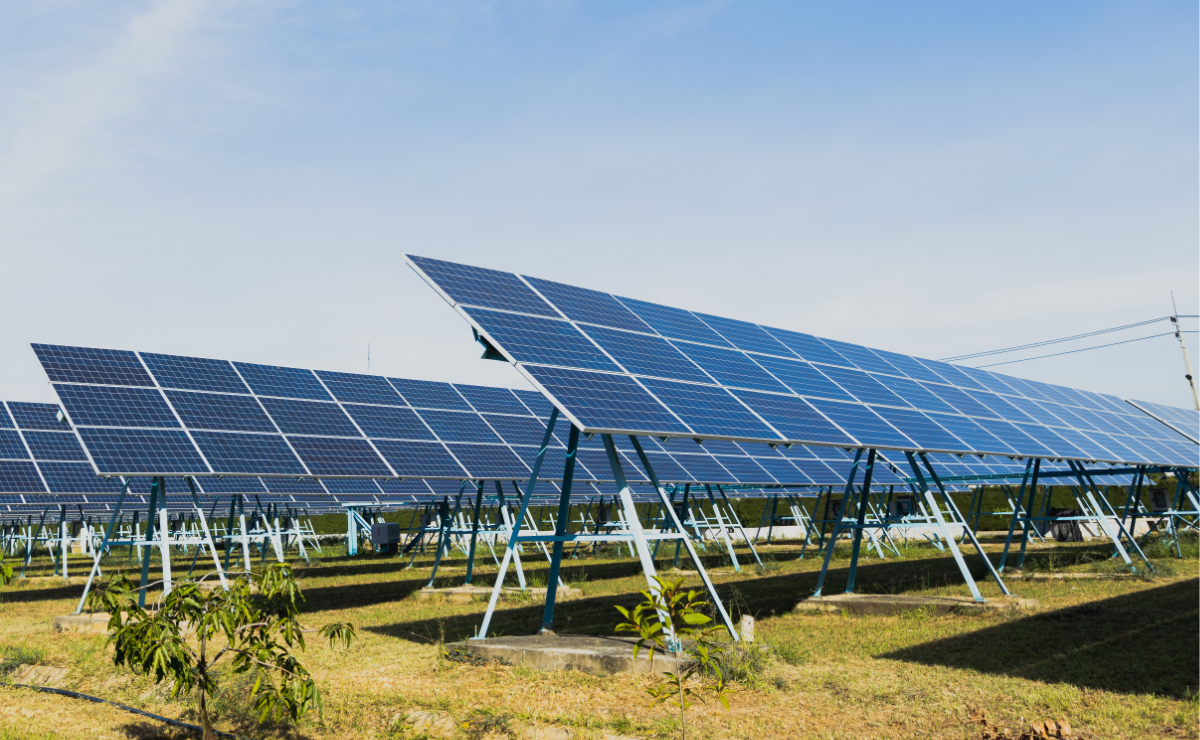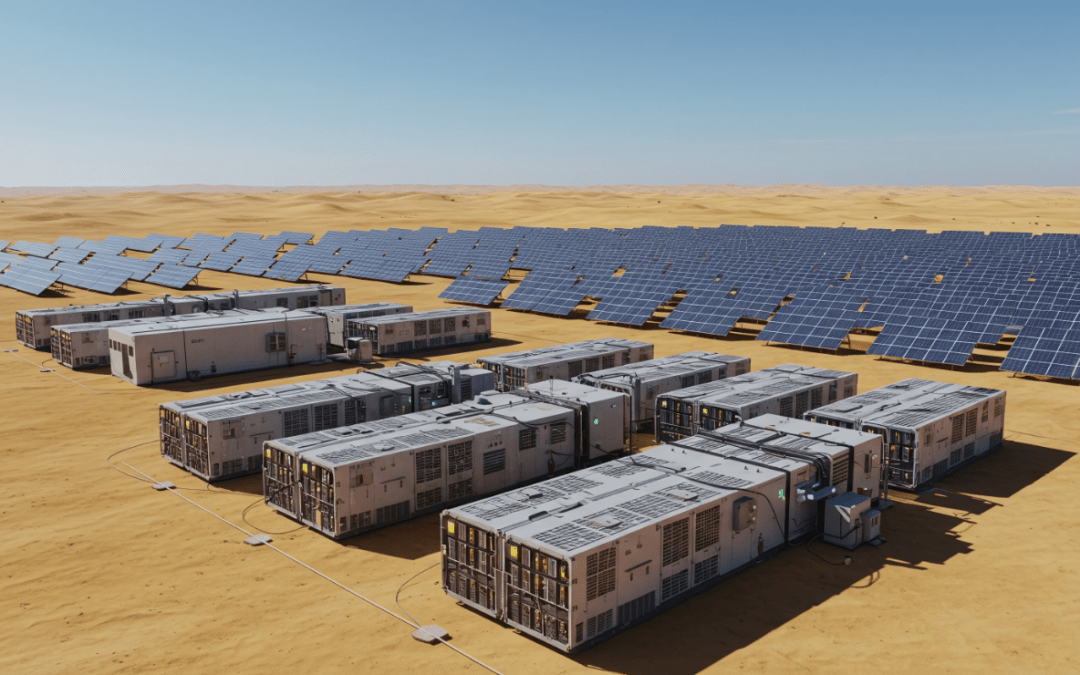
The Electricity & Water Authority (EWA) of Bahrain has announced the launch of the country’s first solar-power plant for electricity generation, in partnership with the private sector.
According to a statement issued on 7 August 2025, the new facility will have a planned production capacity of up to 150MW.
It forms part of Bahrain’s efforts to enhance reliance on renewable energy sources and supports the national target of reaching net-zero carbon emissions by 2060.
EWA President Eng. Kamal bin Ahmed Mohammed described the project as “among the most strategic initiatives led by the Authority, reflecting EWA’s commitment to building a sustainable energy ecosystem.”
He added that, by strengthening partnerships with the private sector, the project aims to “scale up renewable energy capacity, reinforce energy security, and support the infrastructure required for continued urban and economic development.”
The plant will be in the southern region of Bahrain, near Bilaj Al Jazayer, covering approximately 1.2 square kilometres. It will employ the latest solar-energy technologies to optimise output and efficiency.
To advance development, EWA will launch a Global Market Sounding exercise on 14 August 2026 to invite local and international developers and stakeholders. The competitive tender is scheduled for September 2025, with commercial operations expected in the third quarter of 2027.
A consortium of firms has been appointed to provide advisory services for the project lifecycle. Financial advising will be handled by KPMG Fakhro, technical oversight by WSP Parsons Brinckerhoff and legal advice by Trowers & Hamlins.
Once operational, the plant is expected to generate enough electricity to meet the needs of approximately 6,300 homes and will contribute to an annual reduction of more than 100,000 tonnes of carbon emissions.
It forms part of Bahrain’s National Renewable Energy Plan, which targets a 20 per cent share of clean energy in the national mix by 2035.
The announcement marks a significant step in Bahrain’s transition to cleaner energy and showcases the role of public-private collaboration in delivering large-scale infrastructure projects.