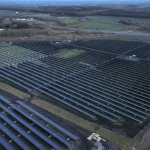
As of October 2024, the California Independent System Operator (CAISO) manages about 80% of California’s electricity and has connected 10.219 GW of utility-scale solar power to its grid.
This data was part of CAISO’s Key Statistics report for September 2024. The figure represents a 0.9 GW increase from August’s 9.3 GW and a significant jump from 7.1 GW at the start of the year.
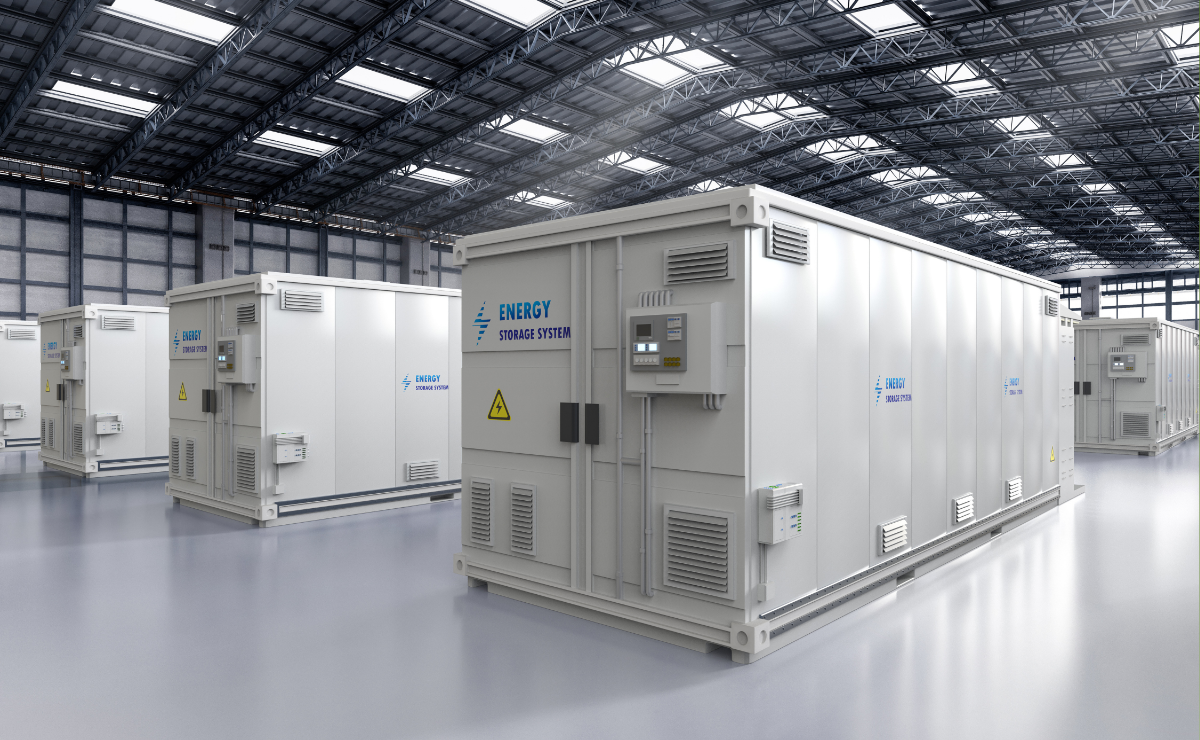
In addition to solar power growth, battery usage records have been set recently. Gridstatus.io reports that CAISO broke several battery charge and discharge records in the six days leading up to this report.
September, known for its high evening electricity demand in California, has historically been a key month for setting grid projections and procurement goals.
On September 24, 2023, CAISO recorded a peak battery discharge of 5.22 GW, a record that remained until January 2024. In April, the California Governor’s Office reported that the state had surpassed 10 GW of total energy storage capacity, including both utility and distributed storage.
At that time, the report noted 8.7 GW of utility-scale storage, with residential solar storage attachment rates also rising.
According to the U.S. Department of Energy’s Energy Information Administration (EIA), California has 177 GW of energy storage capacity from over 1,700 projects in the pipeline through 2030.
Between October and December 2024, 31 energy storage projects totalling 1.9 GW are under construction.
Nationwide, the energy storage sector is expanding rapidly as battery prices continue to decline, and the future grid is expected to rely heavily on solar-plus-storage installations.