The Ministry of Finance and the State Taxation Administration announced on January 9 that China will remove value-added tax (VAT) export rebates for the photovoltaic (PV) industry starting April 1, 2026.
This policy shift marks a significant adjustment to the financial incentives supporting the country’s renewable energy exports.
The new regulations establish different schedules for solar and battery products. While solar rebates will vanish in a single step, the battery sector faces a two-stage reduction.
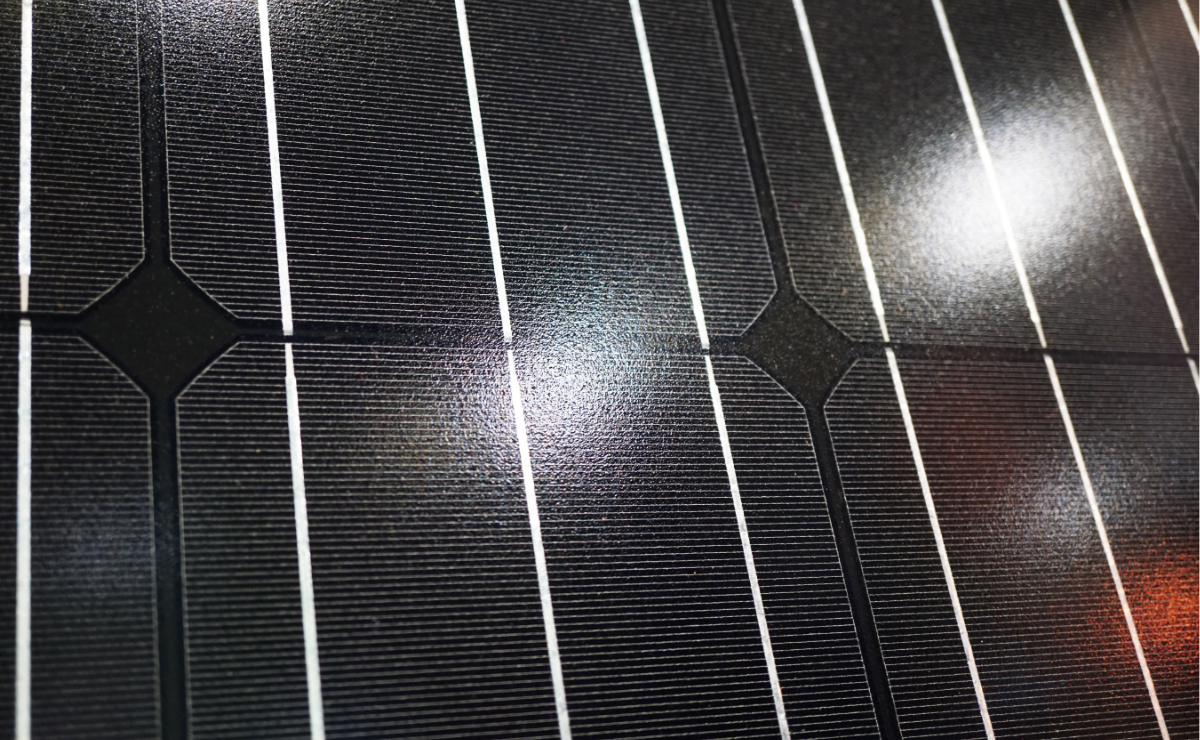
The adjustment affects a broad range of high-tech components. The solar category includes monocrystalline silicon wafers (specifically those with diameters above 15.24 cm), unassembled cells, and finished modules.
In the battery sector, the policy extends beyond standard lithium-ion packs to include all-vanadium redox flow batteries and essential upstream materials like lithium hexafluorophosphate and lithium cobalt oxide.
Market and industrial outlook
This marks the second major adjustment to the rebate structure in 14 months, succeeding a 2024 reduction from 13% to 9%.
Analysts indicate the update will increase export costs for Chinese PV and battery manufacturers, while some firms may advance exports before the deadline, potentially triggering a surge in shipments in early 2026.
The policy is intended to reinforce China’s industrial policy goals. These focus on industry consolidation and a move towards higher-value, more sustainable manufacturing rather than volume-based growth.