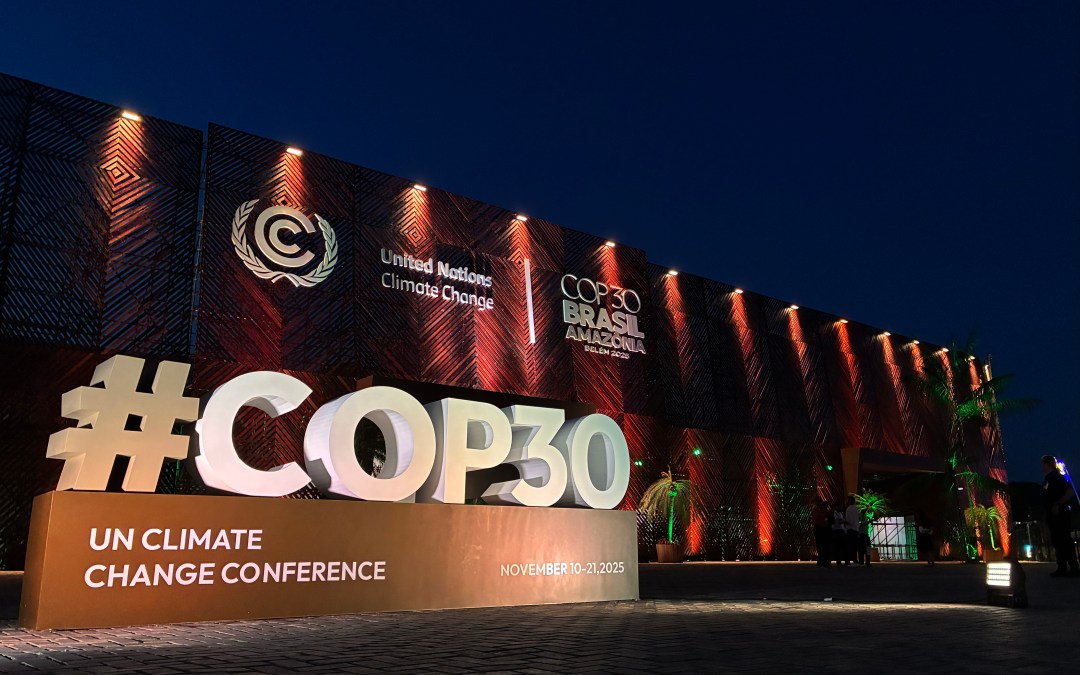
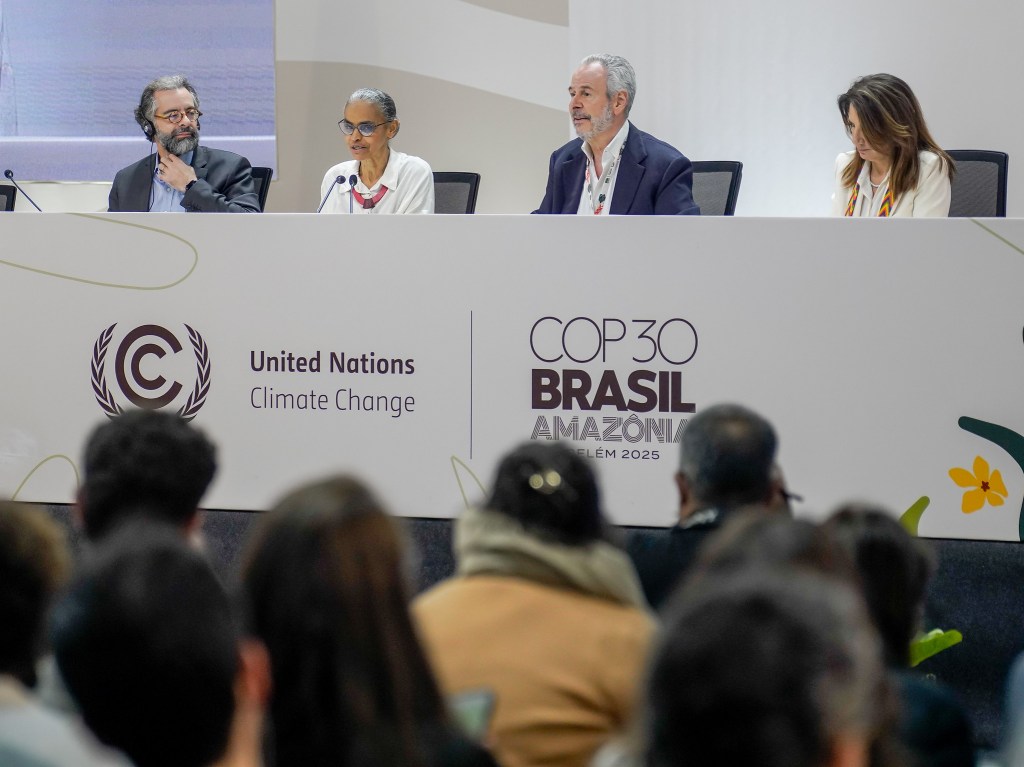
The 30th Conference of the Parties to the United Nations Framework Convention on Climate Change (COP30) convened in Belém, Brazil, from 10 – 21 November 2025.
Dubbed the ‘Implementation COP’, the summit gathered delegates from nearly 200 nations to carry out ‘Mission 1.5’: limiting global warming to 1.5°C above preindustrial levels.
The summit also opened on the promise of finalising frameworks for climate finance, ensuring that developing nations have the capital required for their energy transitions.
Where does renewable energy come into this?
COP30 follows in the footsteps of the historic consensus at COP28 (2023) to transition away from fossil fuels to prioritise renewable energy. However, COP28 struggled to secure a unified global roadmap for phasing out fossil fuels.
Discussions saw stiff pushback from oil and gas-producing nations, including Saudi Arabia and Russia, who resisted a definitive timeline for phase-out.
As such, COP30 faced the highly anticipated task of turning pledges into concrete national policies, as pressure mounts from global institutions, businesses, and citizens alike.
However, as COP30 ran on into the early hours of 22 November, frustrations rose as the chance to both discuss and finalise a roadmap to decarbonisation seemed to be slipping through the delegates’ fingers.
A stalemate had formed between a coalition of 80 developed and developing countries pushing to end reliance on fossil fuels, and a group led by Saudi Arabia, its allies, and Russia – all pushing against decarbonisation. Despite this, the ‘Belém political package’ was finally signed.
“The message coming out of Belém was clear: despite the noise, clean energy and climate action remain the foundation on which the global economy is being remade and rebuilt,” commented Ed Miliband, the UK’s Secretary of Energy Security and Net Zero, and co-chair of the UK’s Solar Taskforce.

The UK’s energy secretary and co-chair of the Solar Taskforce, Ed Miliband, played a role in securing the final agreement.
COP30’s final conclusions
The signatories have agreed to start working on a roadmap to move away from fossil fuels with a report due in 2026. However, engaging in this initiative will be voluntary.
Developing countries have secured financing to help them adapt to extreme weather, and a “just transition mechanism” will be provided to workers in high-carbon industries to help them shift to renewables.
Notably, China and Russia requested that “critical minerals” for renewable energy technology not be included in the transition discussions, despite the human rights abuses discussions surrounding them remaining a hot topic across renewable industries.
Impact on the solar industry
The International Renewable Energy Agency (IRENA) noted that investing in infrastructure for the energy transition was paramount, praising discussions at the conference that covered the need for “expanded, modernised, and flexible grids”.
The agency additionally praised the increased prevalence of supply chain resilience in ministerial discussions and in the Climate Action Agenda. At COP30, UNEZA and the Global Clean Power Alliance (GCPA) announced a strategic partnership to address international supply chain challenges.
Furthermore, leading solar manufacturers used the global stage to reaffirm their commitment to aggressive climate targets.
Longi
Longi released its 2024-2025 Climate Action White Paper during the summit. The company outlined a comprehensive strategy to ‘achieve net-zero emissions across the entire value chain by 2050’, benchmarking its progress against the International Transition Plan Task Force disclosure framework.
Longi reported achieving a ‘monocrystalline silicon cell conversion efficiency of 27.81%’. Li Zhenguo, Longi’s founder, stated: ‘Addressing climate change is a systemic project requiring global collaboration. The value of an enterprise is reflected not only in its economic benefits but also in its contributions to our planetary home.’
JA Solar
JA Solar marked its fourth consecutive year at the summit by launching its ‘4F (Faster, Foster, Fairer, Further)’ environmental climate strategy. With cumulative global shipments now exceeding 317 GW, the company highlighted its role in the transition.
Executive President Aiqing Yang noted that ‘the private sector and the clean energy sector in particular, must play a key role in the shift to a climate resilient world.’ The company also held a one-on-one meeting with the Science Based Targets initiative (SBTi) to discuss its decarbonisation pathway, further solidifying its leadership position.
Statkraft
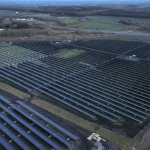
Europe’s largest renewable energy producer, Statkraft, inaugurated new solar farms and battery facilities in Brazil during the conference. The farms are anticipated to generate 789GWh of electricity per annum and save 111,000 tonnes of CO₂ annually – supporting Brazil’s role in reaching global emission reduction targets.
“These projects directly support the global goals to triple renewable energy capacity, ensure a just transition from fossil fuels, and foster local development in a sustainable way,” said Birgitte Ringstad Vartdal, Statkraft’s President and CEO.
Fernando de Lapuerta, Executive Vice President of Statkraft’s international business, concluded: “Solar energy, in combination with batteries and wind power, is the fastest and cheapest way to cut emissions and ensure a just transition.”
[Images credit: COP30 Brasil Amazonia]