The European Environmental Bureau (EEB) has reported that there is ample land available in Europe to expand solar and wind energy without affecting food production or natural habitats.
The report titled “Land for Renewables: Briefing on spatial requirements for a sustainable energy transition in Europe” notes that 2.2% of the EU’s total land area is needed for current and future solar and wind projects to phase out fossil fuels and nuclear power, aiming for climate neutrality by 2040.
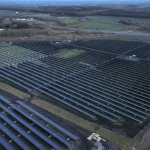
The report builds on data and preliminary analysis by the EU’s Joint Research Centre, estimating that 5.2% of the EU’s land is suitable for renewable energy projects. Most of this suitable land is located in rural areas, with 78% designated for ground-mounted solar installations – excluding areas of high natural or agricultural value.
The study concludes that urban and industrial areas alone are insufficient to meet Europe’s solar energy needs.
A large amount of the suitable rural land is degraded agricultural land with low productivity and a high risk of abandonment, with the report highlighting an opportunity to reinvest in these areas and their local economies, and create much-needed jobs.
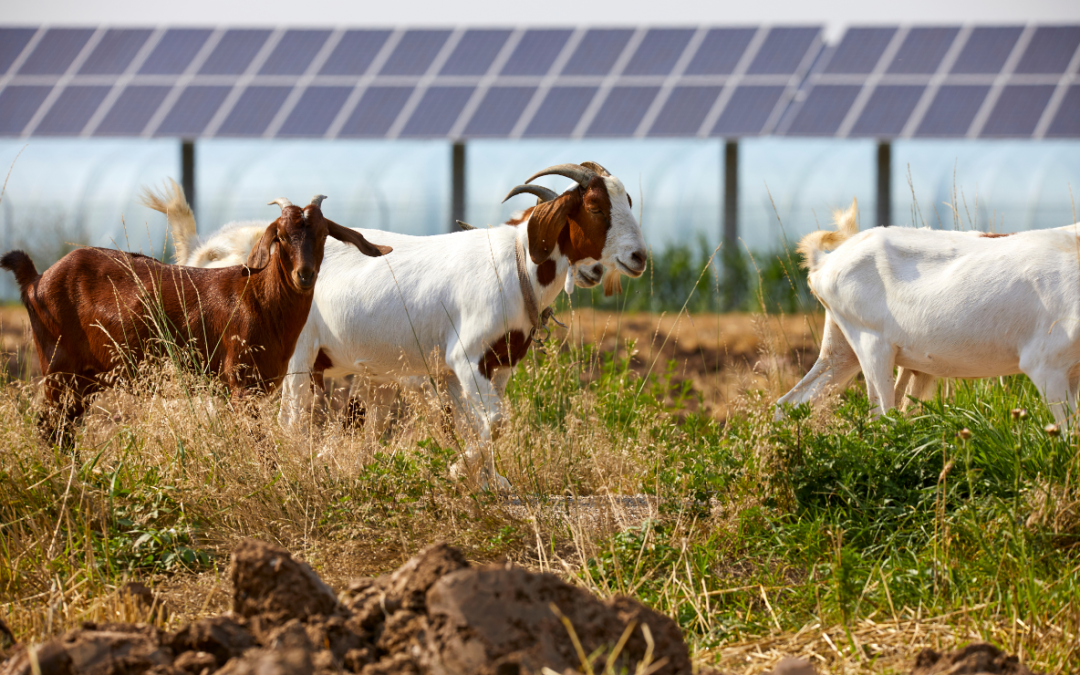
The report advocates for the coexistence of renewables with agriculture and nature through agrivoltaics, urging for clear guidelines on facilitating the adoption of such systems in rural regions.
The need for a European interconnected supergrid to balance disparities is stressed by the report. For example, while Germany and Italy face land limitations, Spain and Romania have a surplus.
Cosimo Tansini, EEB Policy Officer for Renewables, says: “Renewable energies can thrive without harming food supplies or natural habitats. Evidence suggests that Europe has ample land for a sustainable expansion of renewables, excluding biodiversity-rich zones and productive agricultural lands, particularly in rural regions.
“By adopting participatory processes and robust mitigation measures to minimize environmental impacts, we can use renewable energy to restore land, benefit communities, and support rural economies.”