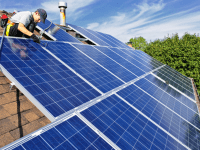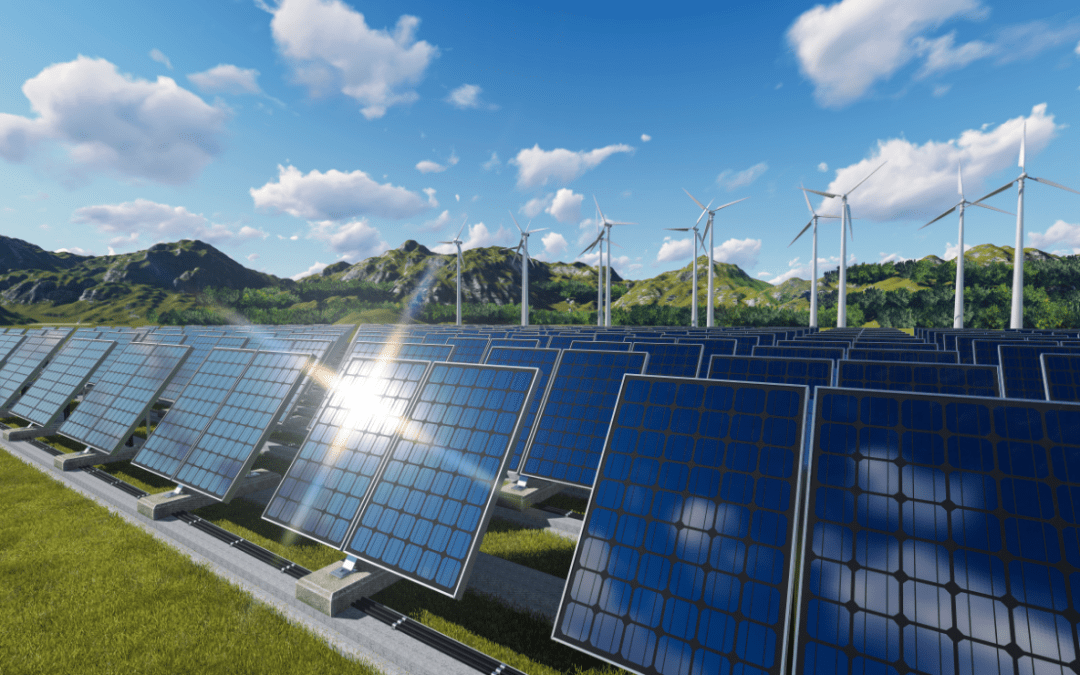
According to a report released on Tuesday by Ember, an independent energy thinktank, the EU’s solar and wind farms generated more electricity than fossil fuels from January – June 2024.
The think tank says that this is the first time such gains have been achieved in a six-month period. Ember analyst Chris Rosslowe adds:
“With wind and solar on the rise, the role of fossil fuel power is narrowing. We are witnessing a historic shift in the power sector, and it is happening rapidly.”
The data
The report shows that solar and wind production increased to 30% of the EU’s electricity generation – a new record.
Conversely, fossil fuels generated 27% of electricity, which was a drop of 17%. Coal-fired electricity generation dropped by 24%, with gas falling by 14%.
Five countries covered ¾ of the decrease in the EU’s fossil fuel generation, with Germany taking the largest share of the drop.
May saw Spain generate 15% of its electricity from solar and wind, which was a new achievement for the country.
Belgium, Hungary, and the Netherlands have begun generating more power from solar and wind for the first time, with thirteen other EU member states already doing so.
On this milestone, Rosslowe says: “There’s no single secret (to this achievement).”
“In fact, the range of Member States that have now passed this milestone is proof that this transition is possible anywhere in the EU, thanks in part to the distributed nature of wind and solar energy.”
Analysis
Ember credited, mild weather and good performance from hydropower for a large share of the drop in fossil fuel power generation, however, wind and solar took the largest responsibility as a single factor.
Growth In the renewable sector, with a particular focus on solar and wind, drove an increase that surpassed power demand rebounding after the Covid-19 pandemic, and the war in Ukraine.
Russia’s invasion of Ukraine caused many EU member states and other European countries to look for alternative power sources. This resulted in decreased reliance on gas imports and an increased investment in solar and wind power.
Rosslowe concludes: “If Member States can keep up momentum on wind and solar deployment then freedom from fossil power reliance will truly start to come into view.”