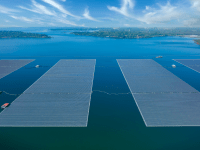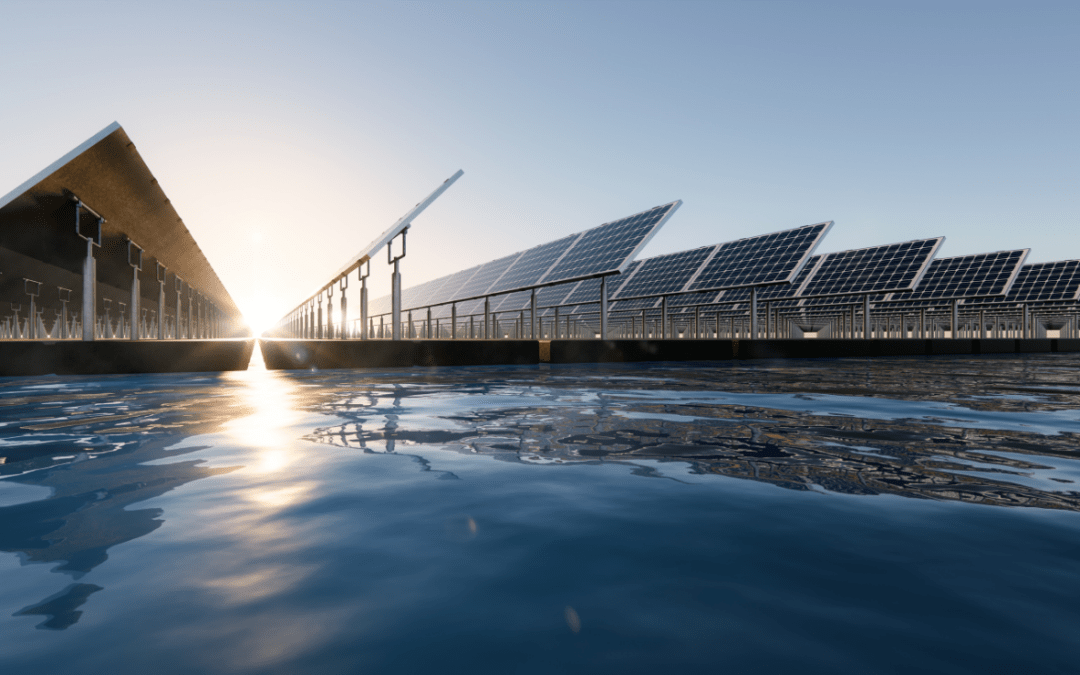
Spanish-owned ACCONIA has created a sustainable breakwater project for offshore floating photovoltaic (FPV) systems. ACCONA’s product protects FPV systems from harsh marine conditions, which will improve their efficiency and lifespan.
The breakwater product is part of the EU’s SUREWAVE project, which focuses on creating sustainable marine infrastructure for renewable energy projects (including solar) with an emphasis on using recycled and circular materials.
Seven partners from six EU countries are collaborating on this effort. ACCIONA leads the development of circular materials for the breakwater, striving to reduce its environmental impact.
Development
The company has introduced two types of sustainable concrete. The first is a high-performance concrete with a compressive strength of 120 MPa.
By incorporating slag and fly ash, this concrete reduces clinker, a significant pollutant in cement production, by 20%, while also lowering the amount of material needed by 40%, according to ACCIONA.
The second material is lightweight concrete made with recycled glass and construction and demolition waste (CDW) aggregates, which brings its density below 1900 kg/m³.
This concrete uses cement with blast-furnace slag, cutting clinker content by 35%. For the core of the breakwater, ACCIONA developed a cellular concrete with a density of 365 kg/m³, further minimizing cement use and incorporating recycled glass.
This marks a key step toward more sustainable marine infrastructure for renewable energy. In November 2023, the SUREWAVE consortium conducted wave tank tests of the floating solar concept at the Maritime Research Institute Netherlands (MARIN).
Stay in the loop with Spain’s solar and storage sector by getting your free ticket to Solar & Storage Live in Barcelona, 13-14 November.