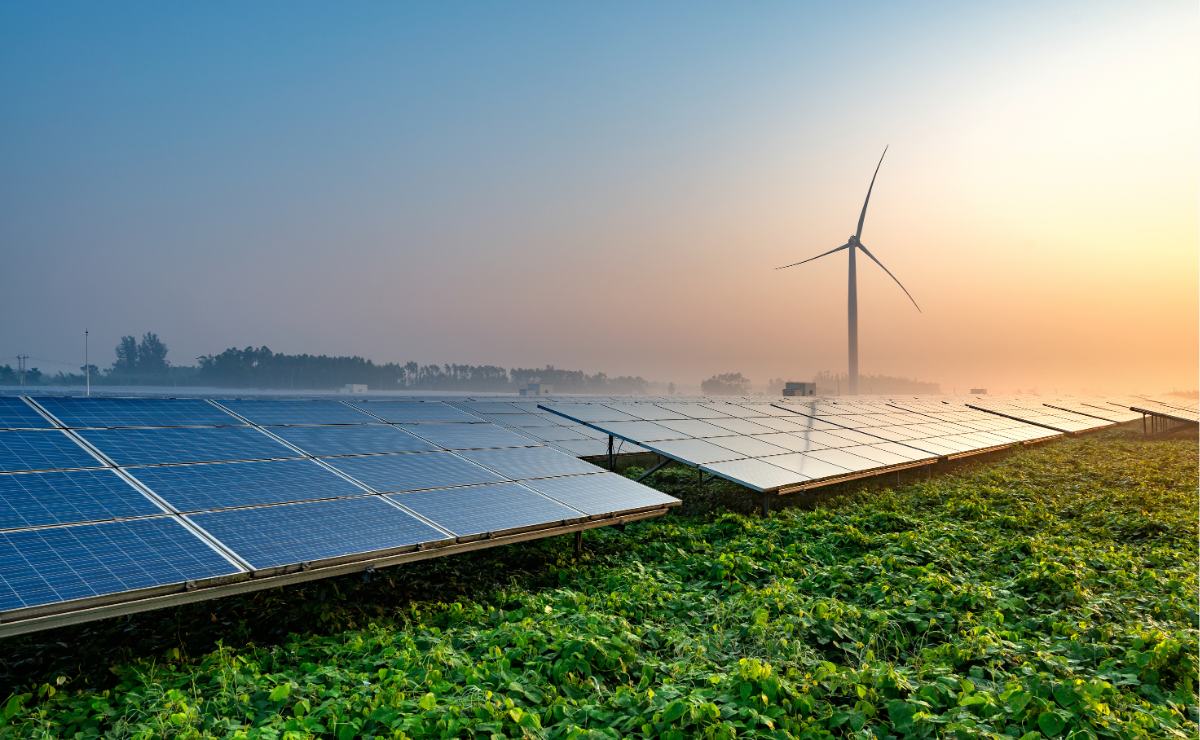
The European Commission has shared a new policy document, titled “A Vision for Agriculture and Food”, which acknowledges the role of solar energy in the EU’s journey towards a sustainable and competitive agricultural market.
According to a statement by the European Commission, the policy document notes that food security and sovereignty are a European priority – as “the agri-food chain is under pressure from the impact of climate change to global competition and higher energy prices.”
The document explains how agrisolar installations can improve both international energy security and financial security for farmers, by offering additional sources of income while also reducing greenhouse gas emissions.
By providing insights into how Europe’s agricultural and agrisolar sectors can together contribute to the EU’s transition to a low-carbon economy, the document provides guidance for future-proofing Europe’s farming industry.
Agrisolar
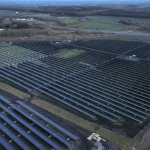
There are already over 200 agrisolar systems across Europe, which can generate 2.8 GW of clean energy. The installations have also been proven to:
- Benefit wildlife by encouraging biodiversity and building habitats.
- Offering shade to wildlife and livestock during sunny weather.
- Providing a 20-30% improvement in water efficiency*.
- Create a 60% increase in pollinators*.
- Support regenerative agriculture, potentially providing large farms with profit increases of up to €235,000 per annum**.
In response to the paper recognising the role of solar in agriculture for the first time, SolarPower Europe calls the acknowledgement “a landmark moment.”
In its statement, SolarPower Europe implores the European Commission to take further action into future-proofing the sector. Lina Dubina, Policy Advisor at SolarPower Europe, says:
“The Commission should now turn this Vision into action. We ask for concrete amendments to the EU Common Agriculture Policy as well as dedicated guidance to better inform Member States and spread the benefits of Agrisolar to many more farmers and rural economies across Europe.”
* SolarPower Europe’s Agrisolar Best Practice Guidelines v2.0
** Boston Consulting Group and BayWa r.e, 2024