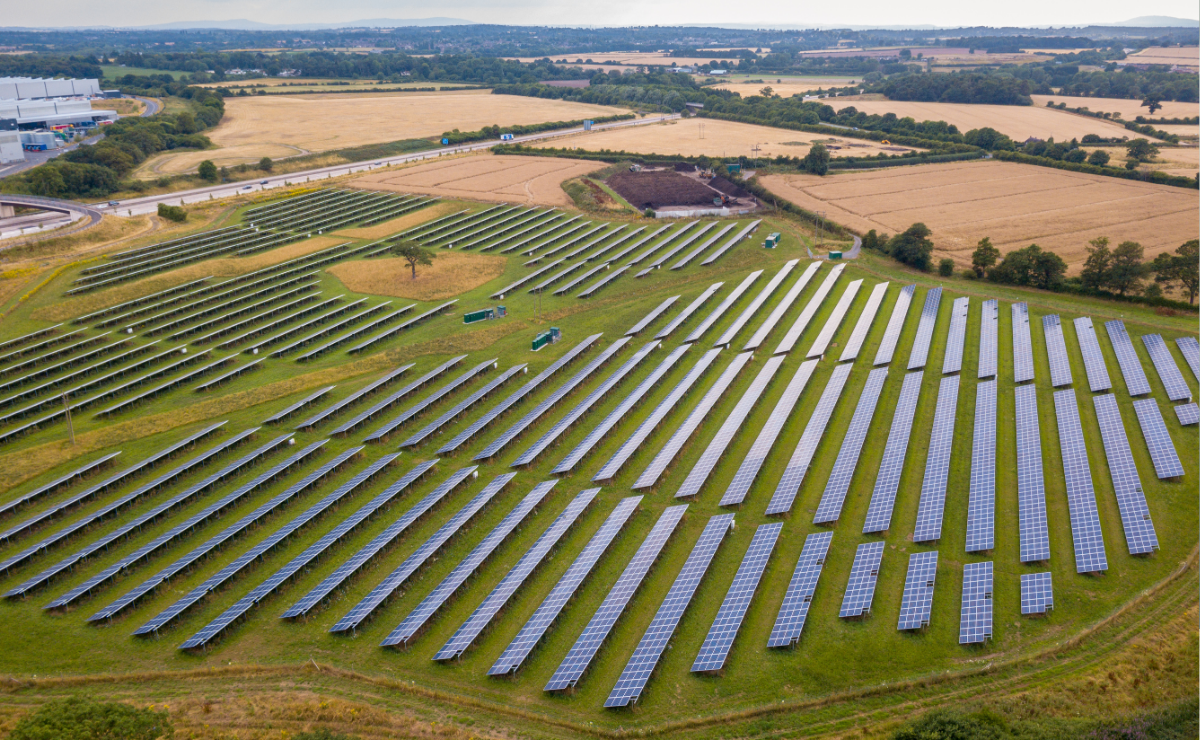
At the recent Solarplaza Summit Greece in Athens, the country’s photovoltaic (PV) market growth was a key focus.
Stelios Psomas, policy officer at Helapco, reported that Greece installed 920.6 MW of new PV capacity in the first half of this year, with 580.1 MW from utility-scale projects, 281.9 MW from commercial and industrial installations, and 58.6 MW from residential systems.
Psomas estimates Greece will add around 1.5 GW of PV capacity by the end of 2024, based on Helapco’s data, though this figure is not yet official.
Small solar projects, up to 500 kW or 1 MW for energy communities and farmers, have been particularly successful, securing fixed feed-in tariffs until May 31.
After that date, developers must participate in competitive auctions. Helapco expects 500 MW of these projects to be connected to the grid this year, though some may face delays due to slow grid operator connections.
Net metering has also contributed to the market, with 100 MW of new PV capacity expected in 2024, despite the scheme being closed to new applications after May 15 under a recent law.
Future growth in self-consumption projects will be supported by net-billing.
Greece’s draft National Energy and Climate Plan targets 13.5 GW of installed solar capacity by 2030, though Helapco predicts this goal will be reached by 2026.
Psomas anticipates the country’s PV capacity will rise to between 19 GW and 21.1 GW by 2030.
“In 2023, Greece ranked first in Europe in terms of the percentage of domestic electricity produced by photovoltaics,” said Psomas, noting that renewables accounted for 57% of the country’s electricity.
He believes Greece could achieve 100% green energy by 2030.