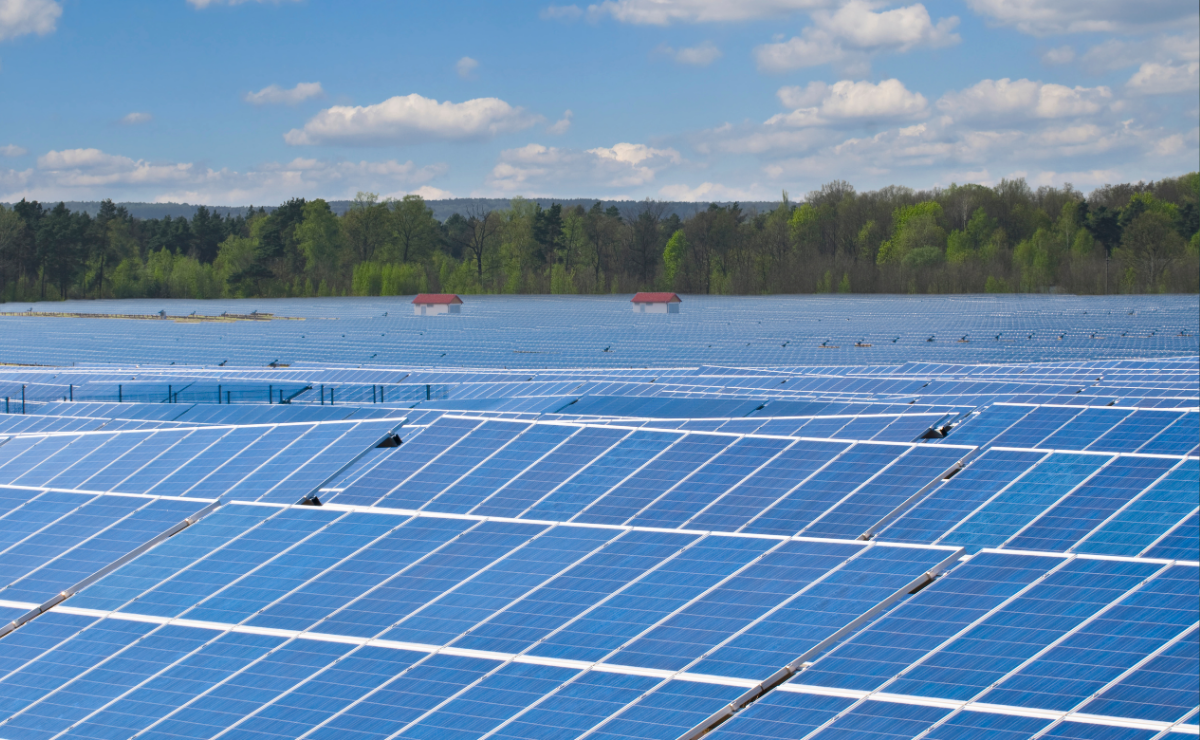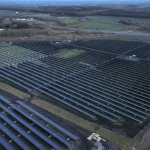
Solar power developer Hecate Energy has begun work on what is expected to be the largest solar farm in the US: located on 10,300 acres at the Hanford Nuclear Reservation in Washington State.
The Hanford site, used for nuclear weapons production and waste storage from 1943 to 1989, has been undergoing a multi-decade decontamination process.
Hecate will install 3.45m photovoltaic panels capable of generating 2,000 MW – enough to power homes in Seattle, San Francisco, and Denver. The $4bn project also includes battery storage for an additional 2,000 MW.
If completed as planned in 2030, it will surpass the country’s largest existing solar farm, the 802 MW Copper Mountain Solar Facility in Nevada.
Former Energy Secretary Jennifer M. Granholm expressed support for the initiative, stating, “I am hopeful that they will see the benefit of being able to reuse these lands for something that is really beneficial to the nation.”
Political changes
The project comes amid shifting federal energy policies. While President Trump has prioritised oil and gas production, project proponents are monitoring whether his administration will intervene, as it did with offshore wind development.
Two Energy Department officials, speaking anonymously, said the administration had not yet acted but called the project’s future “uncertain.”
Despite political uncertainty, Hecate’s director of development, Alex Pugh, described the project’s viability. “The fundamentals of the project are strong regardless of policy direction,” he said. “The region needs the project. There is a huge demand for electricity here.”
However, Hanford’s history as a former nuclear weapons production plant presents challenges. Pugh acknowledged potential risks, stating, “The potential risk at the site is if we find contaminated soil, contaminated water – something nobody knew about.”