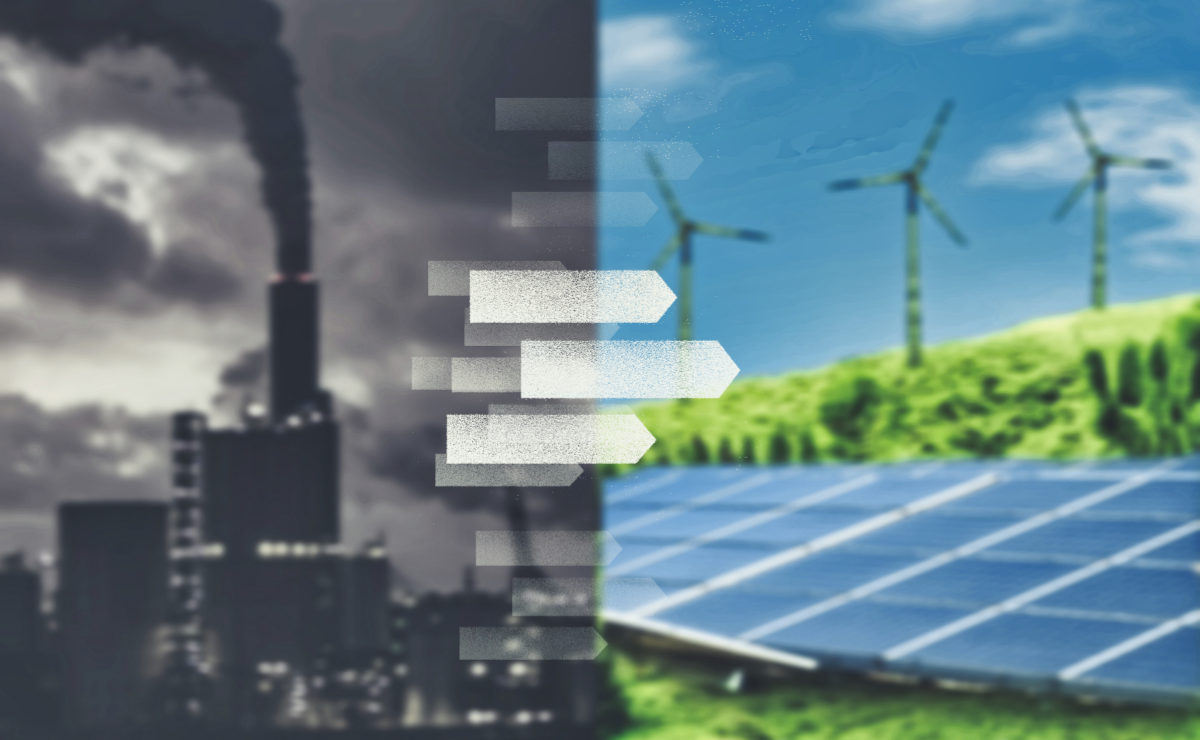
India has reached a significant milestone in its energy transition, announcing that 50% of its installed electricity capacity now comes from non-fossil fuel sources.
This is five years ahead of its 2030 target under the Paris Agreement.
As of June 30, 2025, the country’s total installed power capacity stood at 484.82GW, with 242.8GW sourced from non-fossil fuels. This includes 8,780 MW from nuclear, 49,378.16 MW from hydro, and 184,621.04 MW from renewables.
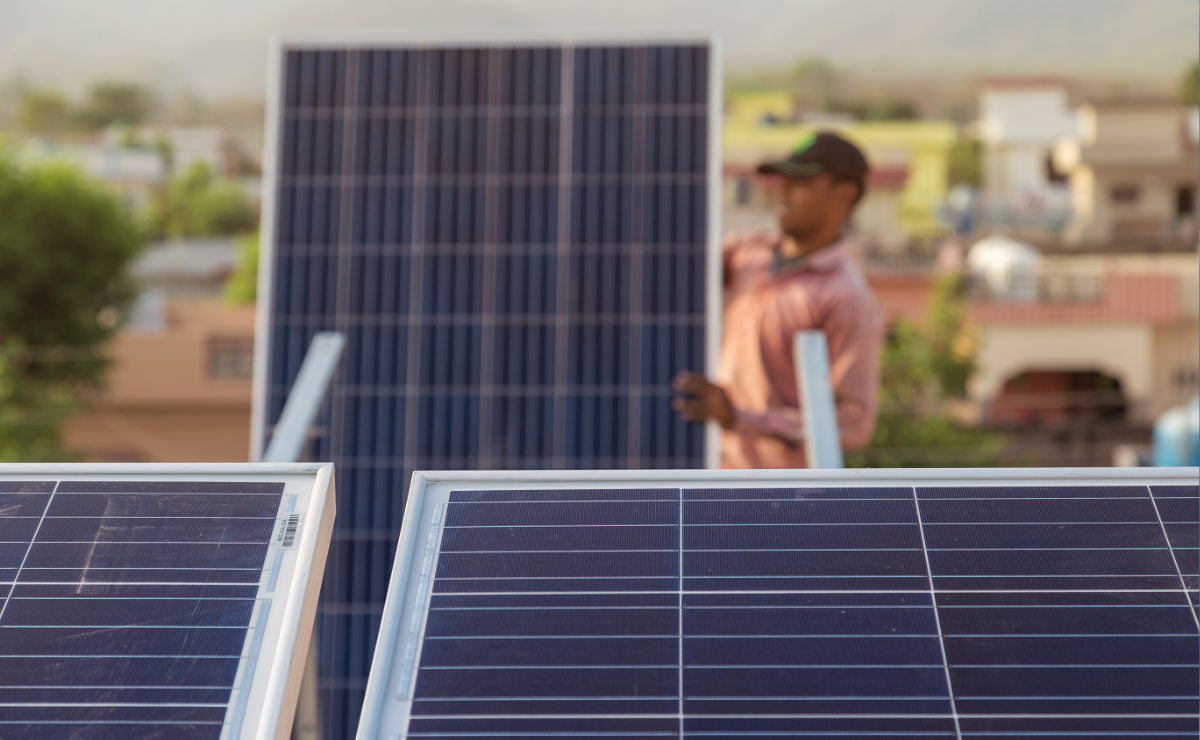
Within the renewable segment, solar power leads with 116,247.83 MW, followed by 51,674.85 MW of wind, 11,596.31 MW of bio power, and 5,102.05 MW of small hydro.
“In a world seeking climate solutions, India is showing the way,” said Minister of New and Renewable Energy Pralhad Joshi. “Achieving 50% non-fossil fuel capacity five years ahead of the 2030 target is a proud moment for every Indian.”
This progress comes as India’s renewable energy output rose at its fastest pace since 2022 during the first half of 2025.
The country added nearly 28GW of solar and wind capacity in 2024 and 16.3 GW more in the first five months of 2025 alone.
Despite this momentum, fossil fuels still accounted for over two-thirds of the increase in total power generation last year. India also plans to expand coal-fired power by 80GW by 2032 to meet rising electricity demand.
The government remains committed to its clean energy goals, targeting 500GW of non-fossil capacity by 2030.
It is also promoting battery storage, green hydrogen, and circularity in solar and wind components to support deeper decarbonisation.