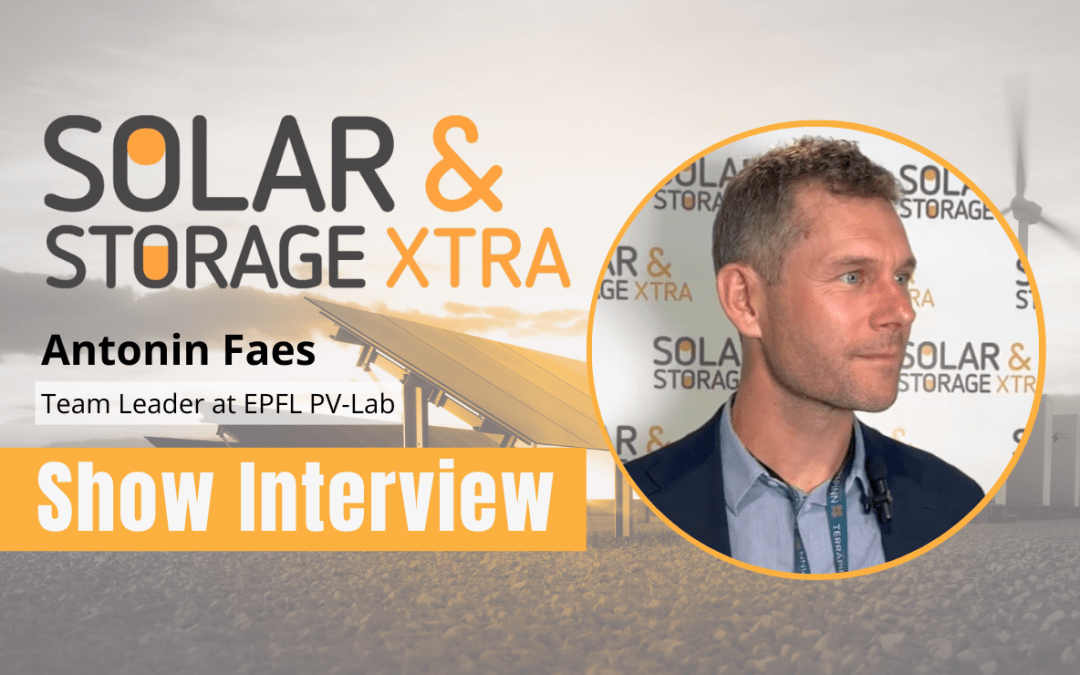
At Solar & Storage Live in Zürich, Solar&StorageXtra spoke to Antonin Faes – Team Leader at Swiss research university EPFL’s Photovoltaics-Laboratory (PV-Lab).
Antonin discussed the recent PV advancements that stand out most to him as a scientist, the challenges the Swiss solar sector is currently tackling, and his presentation at the Zürich show.
Interview with Antonin Faes, Team Leader at EPFL PV-Lab
“Gaining public acceptance for PV in such areas is a significant challenge. But integrating PV into existing infrastructure, like dams or key resorts, could be a good approach.”
Xtra: Can you talk to us about your presentation or any new research you’d like to highlight?
Antonin: It was a very engaging audience, quite a full house. We discussed solar mobility – how to implement solar technology in electric vehicles, the current state of its adoption, and its potential. We also covered recent technical advancements.
Additionally, we summarised the PV in Motion conference held in March in Neuchâtel, which hosted around 110 participants, including industrial partners – about half from industry and half from academia.
Xtra: As a PV scientist, what do you see as the most promising recent advancements in PV technology?
Antonin: What’s been impressive in recent months and years are the efficiency improvements.
These days, you can buy a solar module on the market with nearly 24% efficiency – 23.6%, to be exact. Just a few years ago, this level of efficiency was unimaginable.
The speed of improvement in performance and power has been remarkable. This is a major advancement.
Another significant factor is the cost. The price of PV modules has dropped so much that they’re becoming highly competitive.
Finally – to cover what we’re now seeing, especially in solar and storage – is the strong trend of combining the two. Having both solar and storage enables a consistent production of energy.
Xtra: What are the key challenges facing large-scale PV adoption internationally, and how can the industry overcome these barriers?
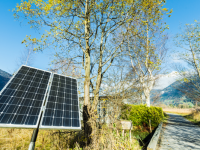
Antonin: For large-scale adoption, it really depends on the country. For example, in Switzerland, we have had – and continue to have – extensive discussions about Alpine PV (implementing PV in Alpine environments).
Why do this? Because in winter, Alpine areas produce more energy than urban or lakeside areas. However, when you talk to Swiss people, many ask why we would place PV in the Alps, which they see as pristine and beautiful. It’s a valid concern.
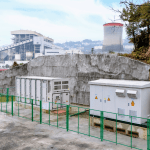
Gaining public acceptance for PV in such areas is a significant challenge. But integrating PV into existing infrastructure, like dams or key resorts, could be a good approach. This might help foster acceptance.
Xtra: What role do you believe Swiss research institutions and industry collaborations will play in driving further innovation in PV?
Antonin: In Switzerland, we’re fortunate to have a long history with PV – over 40 or 50 years of activity. This makes it a mature research domain.
However, with increasing industrialisation, we now need to focus on new absorbers, more complex structures, and ways to enhance public acceptance.
For example, adding colour to PV panels to integrate them aesthetically into buildings, while ensuring durability for 30 years, is one solution.
Research is shifting from focusing solely on cells to optimising full PV modules and systems.
Xtra: What are the benefits of attending Solar & Storage Live?
Antonin: (When attending the show) I encourage attendees to explore the poster area. I’ve seen some fascinating posters, such as those covering optimising PV installations on buildings with significant shading.
There’s also work on flat roofs – such as innovative ways to install PV and integrate green roofing. Combining solar panels with green roofs could spark innovation and provide new ideas for installers.
Missed out on Solar & Storage Live, or want to come back for more? Don’t miss the London edition from 2-3 April 2025 – or find a Solar & Storage Live event closer to home.