Chinese solar module manufacturer JinkoSolar has entered a strategic partnership with Climate Impact Corporation (CIC).
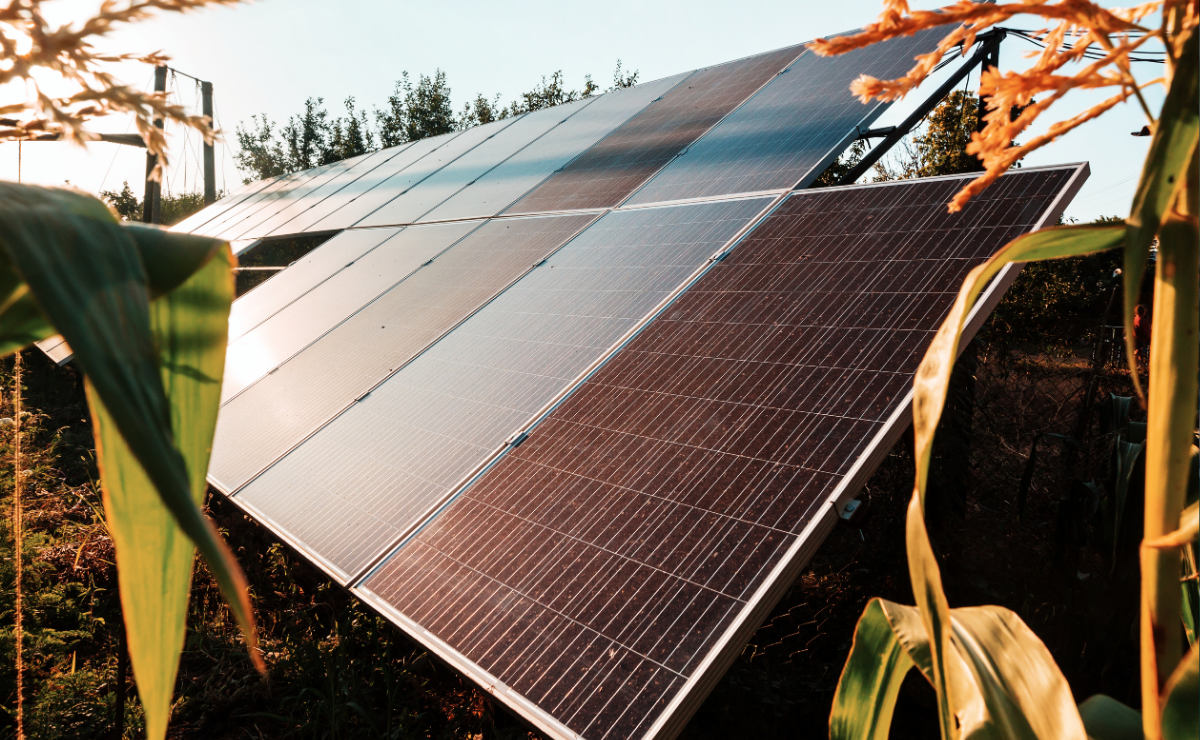
Through the partnership, JinkoSolar will supply its high-efficiency N-type TOPCon solar technology for a 10GW green hydrogen project in Australia’s Northern Territory.
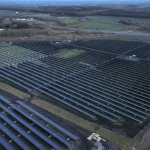
The Green Springs project, located south of Tennant Creek, will produce over 500,000 tonnes of green hydrogen annually using a network of off-grid modular units powered by solar energy.
Each unit integrates solar panels, electrolysers, and atmospheric water generators to produce hydrogen without relying on external power or water sources.
“Renewable hydrogen production requires a significant amount of energy and water, which aren’t often found together in places like Australia,” said David Green, chairman and co-founder of CIC.
“Rather than repeating the same approach, we’re looking to solve this challenge by creating modules that use Australia’s abundant solar resources combined with proven atmospheric water generation technology.”
JinkoSolar said its N-type TOPCon modules, known for their high bifacial ratio, low-light response, and firm performance in varied climates, will help reduce the levelised cost of electricity (LCOE) and make hydrogen production more cost-competitive.
“TOPCon technology brings the most cost-competitive green hydrogen to the project,” the company said.
CIC aims to achieve a production cost of $3.34 per kilogram of hydrogen. The company is also working with GE Vernova to refine the technology and plans similar 10GW projects in South Australia, the Middle East, North Africa, and parts of southern Europe.
JinkoSolar and CIC plan to expand their partnership globally, positioning Green Springs as a model for future off-grid green hydrogen developments.