Governor Wes Moore, Maryland, USA, has signed two energy-focused bills into law – the Next Generation Energy Act and the Renewable Energy Certainty Act – supporting battery energy storage and renewable energy development in the state.
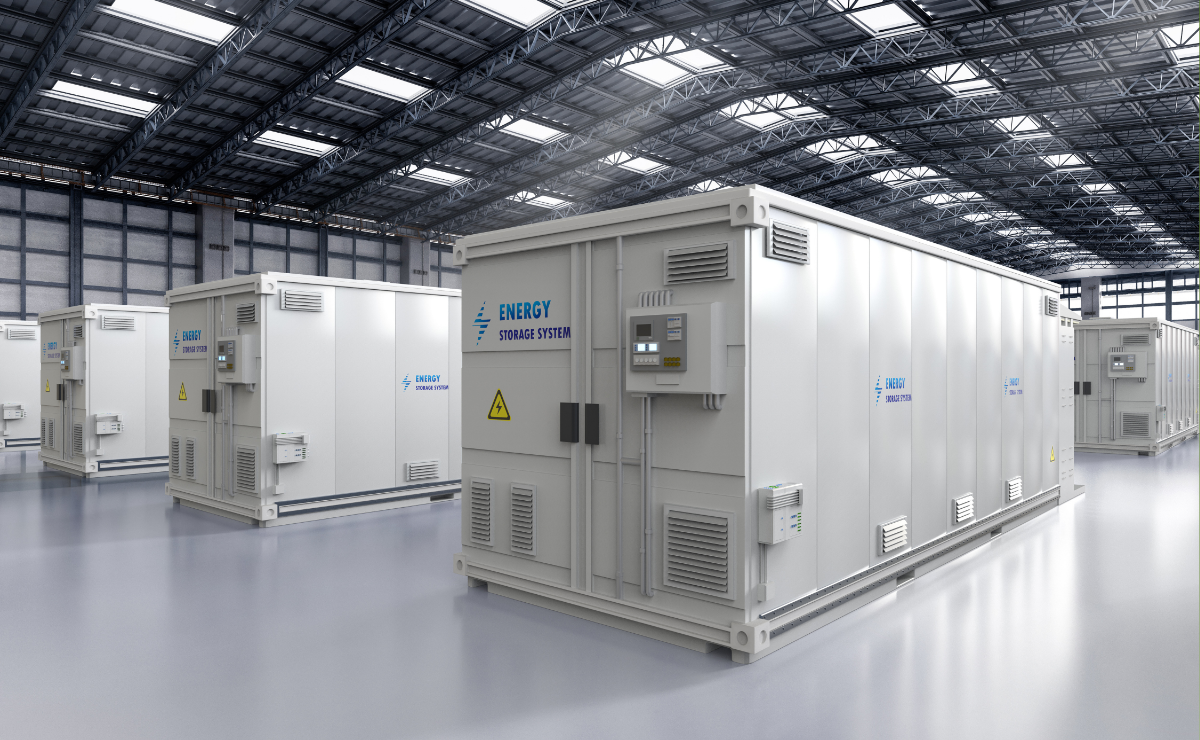
The legislation directs the Maryland Public Service Commission (PSC) to procure 800MW of energy storage by October 2026 and establishes clearer siting rules for solar projects.
The Next Generation Energy Act also includes provisions to retain revenue from energy and ancillary services for storage projects and requires siting and design guidelines to be submitted by mid-2026.
Additionally, it reallocates approximately $200m from a state fund to ratepayers, averaging around $80 per household.
Local advocacy group Chesapeake Climate Action Network said the bill “gives battery storage specific, time-bound financial support,” and expressed support for its focus on clean energy.
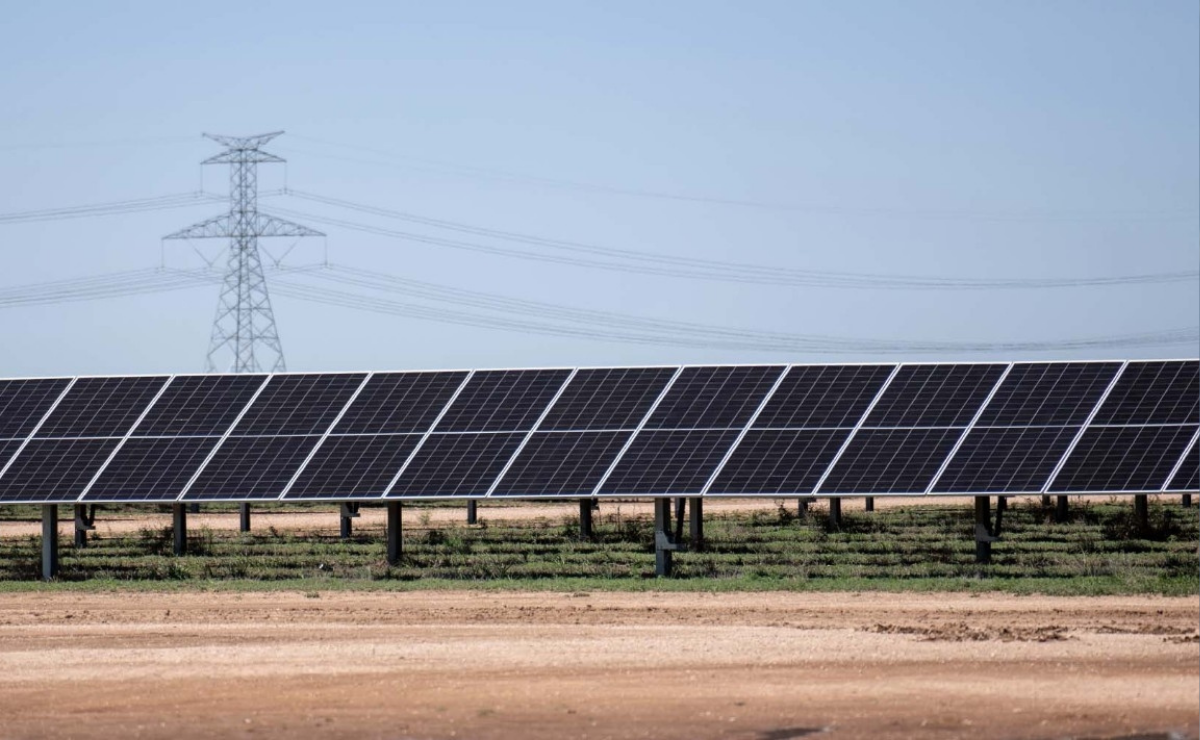
The Renewable Energy Certainty Act, filed in tandem with the Energy Act, seeks to simplify permitting for solar projects, at times superseding local zoning decisions.
Ceres, a nonprofit organisation working with businesses on sustainability, welcomed the new laws.
“The legislation signed by Gov. Moore proves that states can take action to reduce electricity bills without compromising ambitious climate goals,” said Jeff Mauk, director of Eastern state policy at Ceres.
However, Governor Moore vetoed two related bills, citing concerns about redundancy and inefficiency.
The Data Centre Impact Analysis and Report, designed to study the impact of the state’s data centres on the environment and grid, was vetoed as well.