The Kubuqi Desert in Inner Mongolia, noted for its harsh and dry conditions, is now a focal point in China’s energy transition.
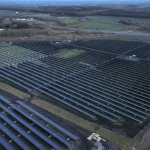
Large-scale solar projects, like the Dalad power plant, are transforming the region and contributing to China’s decarbonisation goals. Dalad, with an installed capacity of 1 million kilowatts, generates around 2 billion kilowatt-hours of electricity annually—powering hundreds of thousands of households.
The project also integrates agriculture, with crops planted beneath the solar panels, stabilising sand dunes and improving soil quality.
This multifunctional approach is echoed in similar projects, such as one in Hanggin Banner. These initiatives produce clean energy and restore degraded land, offering economic benefits and environmental stability.
Over 3,300 hectares of rehabilitated land in the Dalad project area presents opportunities for sustainable regional development.
In Ordos, once a coal hub, solar projects are part of a broader energy shift integrating solar, wind, and green hydrogen production. These renewable sources feed into the grid or produce hydrogen, supporting the region’s clean energy and industrial sectors.
Despite challenges like harsh weather and maintenance demands, China’s solar projects are supported by significant government backing. The nation aims to peak carbon emissions by 2030 and achieve carbon neutrality by 2060, relying heavily on solar, wind, and hydrogen energy.
China’s renewable energy expansion has global implications. It solidifies its leadership in solar power and reduces its dependence on imported fossil fuels. The ongoing development of solar projects in regions like Kubuqi and Ordos marks a crucial step in the country’s energy transformation.