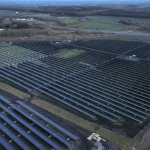
The New South Wales government has introduced a set of updated planning guidelines aimed at speeding up approvals for renewable energy projects, particularly large-scale solar power initiatives. This revamped framework is designed to simplify and streamline the process, offering greater clarity and consistency for developers. These changes are expected to help keep projects on schedule, supporting New South Wales in meeting its ambitious renewable energy goals.
The new framework includes five primary guidelines:
Wind Energy Guidelines – This section provides developers with essential planning considerations for wind projects, focusing on factors such as optimal site selection, managing visual impacts, and planning for eventual decommissioning.
Transmission Guidelines – These guidelines cover the selection of transmission routes, outline expectations for community consultation, and address visual impact assessments to ensure new infrastructure integrates smoothly with surrounding areas.
Solar Energy Guidelines – Updates to the existing solar guidelines provide enhanced advice on decommissioning practices and expand on other aspects to align more closely with the overarching planning framework.
Benefit Sharing Guidelines – This section encourages a fair and sustainable distribution of benefits to local communities, ensuring that those living near renewable projects experience tangible advantages from hosting renewable energy infrastructure.
Private Agreement Guidelines – Designed to support landholders and renewable developers, these guidelines highlight key considerations for establishing equitable commercial agreements for hosting energy projects on private land.
Planning Minister Paul Scully emphasised that these updates focus strongly on delivering community benefits and enhancing investment certainty for renewable energy initiatives. This initiative aligns with NSW’s goal to add 12 GW of new renewable energy generation and 2 GW of long-duration energy storage by 2030. The government anticipates that these projects will contribute over $414 million in benefits to communities and councils across the state over the next 25 years, reinforcing NSW’s commitment to a cleaner energy future.