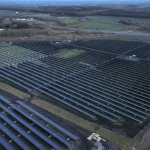
According to the World Economic Forum, Pakistan imported 13 GW of solar panels in the first half of the current fiscal year, making it the third-largest importer of Chinese solar panels worldwide.
This surge in imports has been instrumental in advancing the country’s renewable energy sector, with solar panels now contributing over 30% of Pakistan’s total electricity production, which stood at 46 GW in 2023.
The rapid adoption of solar energy is primarily driven by households and businesses seeking to offset high electricity costs. This trend has been bolstered by a 90% reduction in solar panel prices over the past decade, making solar power increasingly accessible.
Government policies have also played a crucial role in promoting solarization. The elimination of a 17% sales tax and the implementation of a net metering policy have encouraged wider adoption of solar energy solutions.
Rising electricity costs, partly attributed to unfavourable agreements with Independent Power Producers (IPPs), have further amplified the demand for alternative energy sources.
Between 2019 and 2023, Pakistan made capacity payments of 6 trillion rupees ($21.5 billion), according to the Institute for Energy Economics and Financial Analysis.
Beyond economic benefits, the transition to solar energy has reduced dependence on imported coal, enhanced energy security, and delivered environmental gains.
Additionally, it has spurred job creation, attracted foreign investment, and promoted sustainability within the energy sector.