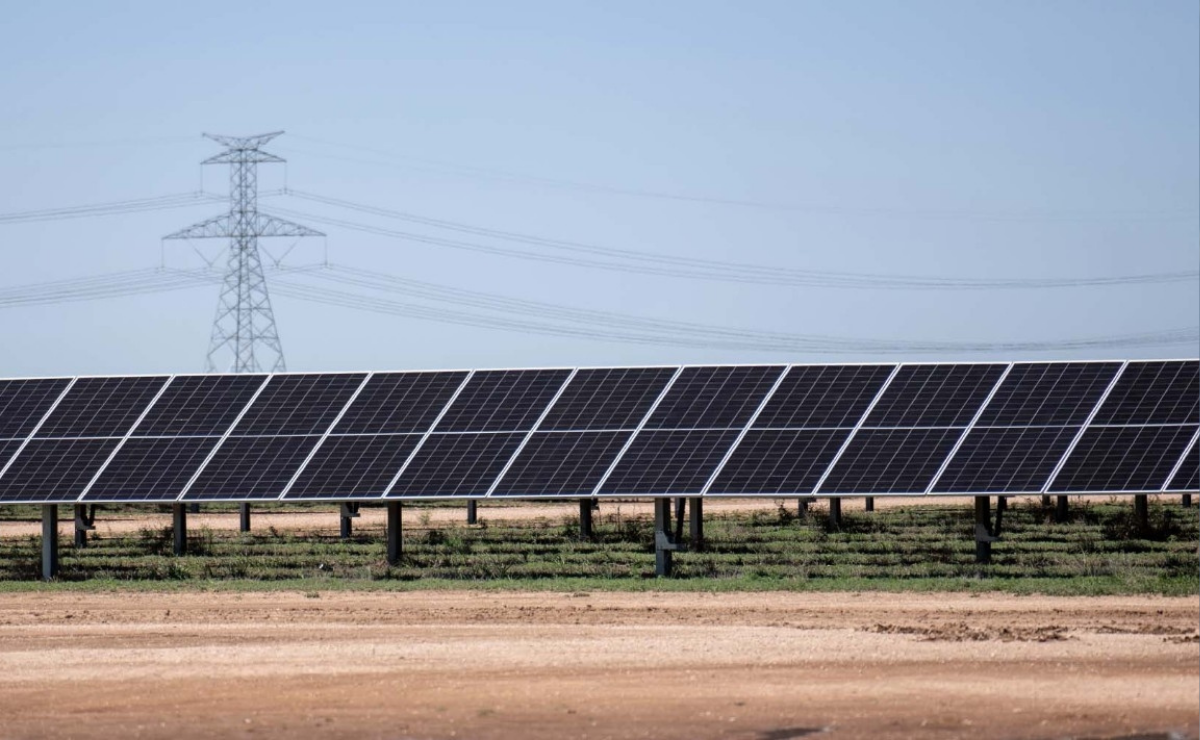
Panasonic has announced it will discontinue its solar and battery storage business in North America, marking the end of a decades-long presence in the solar sector.
In a letter sent to installation partners on April 28 and shared publicly, Naoki Kamo, president of Panasonic Eco Systems North America, said,
“This was a strategic decision – not a reflection of the technology’s performance or the commitment of our partners like you. While we continue to believe in the potential of solar and energy storage, it is no longer the right business fit for us at this time.”
Panasonic will continue to support customers, pledging to honour all warranties – including for systems not yet fully installed – and provide guidance for third-party warranty coverage.
“We are still very much in business and remain committed to supporting our partners, customers, and installer base,” the company added.
Panasonic entered the solar industry through its Sanyo acquisition in 2009. Sanyo pioneered HIT (Heterojunction with Intrinsic Thin-layer) technology, launching the world’s first commercially available HJT panels in 1997.
These modules, known for high efficiency and performance in real-world conditions, were rebranded under Panasonic in 2011 and expanded to include Evervolt battery systems.
Despite its strong technology, Panasonic began transitioning away from in-house manufacturing in favour of OEM partnerships amid intensifying price competition, especially from Chinese manufacturers. It officially exited panel manufacturing in 2021.
While stepping away from residential solar and storage, Panasonic will continue investing in clean energy technologies, including EV batteries and heat pumps. Its $4bn EV battery plant in Kansas is on track to open in the first half of 2025.
[Image credit: Panasonic]