Reuters has reported that natural gas-fired electricity generation and emissions in Europe reached multi-year lows between January – September 2024 but are expected to rise as winter begins.
Data from think tank Ember shows that, during this period, coal and gas power generation in Europe was 1,236 TWh, marking a 7.5% decrease from the previous year and contributing to a 7% drop in power sector emissions.
This reached 928m metric tons of CO₂, which Reuters noted was the lowest “in at least a decade.”
In the winter
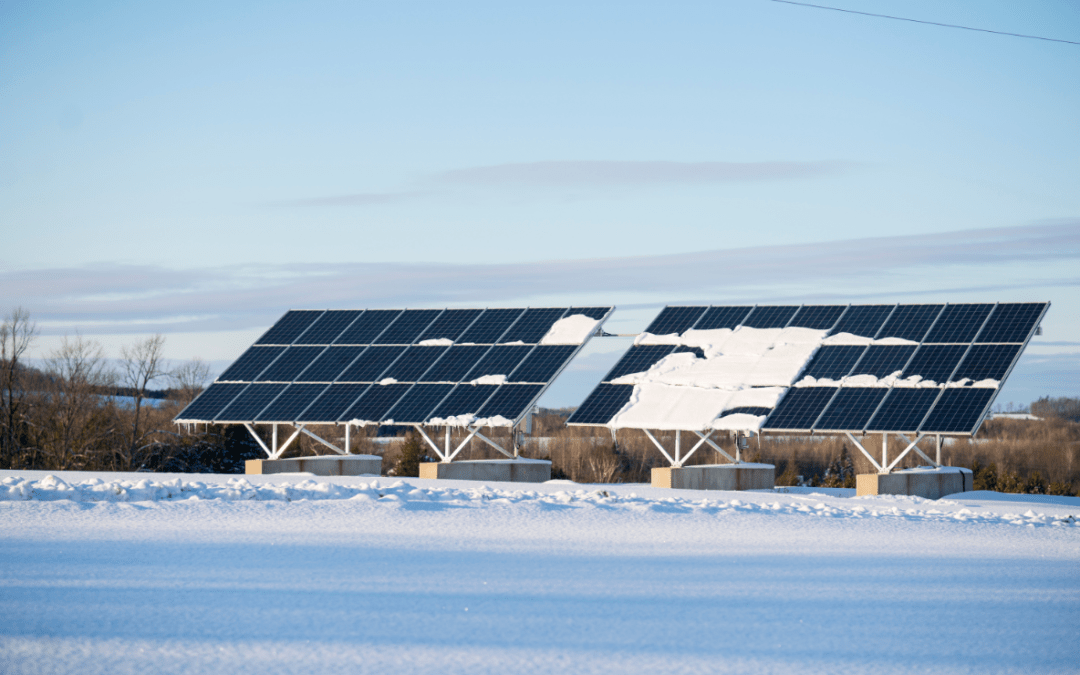
Reduced solar output in winter and rising heating demands will likely drive a rebound in gas-fired electricity generation.
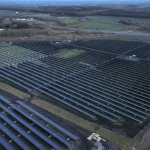
The data from Ember indicates that Europe’s solar output typically drops by over 50% during winter months, from an average of 44 TWh in the summer to under 20 TWh in colder months.
This decline, alongside a seasonal rise in electricity use, pressures power producers to increase gas and coal generation to meet demand.
Last year, electricity consumption in the final quarter was about 14% higher than in the summer, a trend expected to continue in 2024.
If winter temperatures follow typical patterns, heating demand will grow, especially in places like Germany, where average temperatures from October to December are about 5.6°C compared to 17°C in summer.
This shift could push Germany’s gas-fired power generation up 25% in December, equating to around 100 TWh across Europe and potentially yielding 55m tons of CO₂, marking the highest emissions level since January.
These increases would reverse 2024’s emissions trends, as power suppliers rely on natural gas to compensate for lower solar generation during winter.