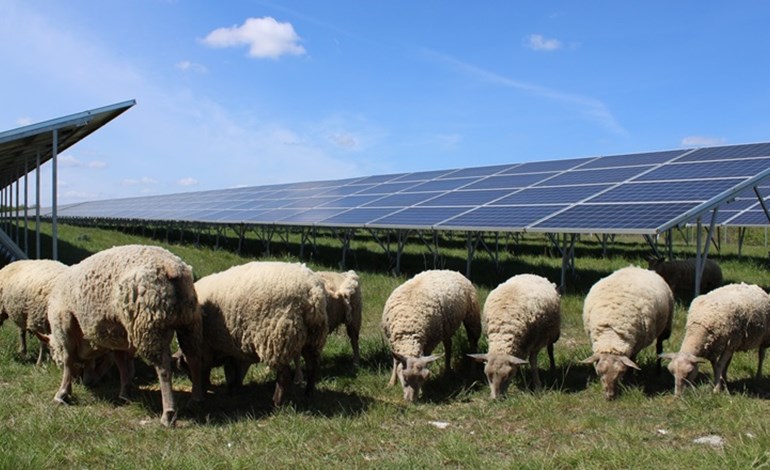
Research by the U.S. Department of Energy’s National Renewable Energy Laboratory (NREL) has explored interactions between solar energy production, habitat, pollinators, and soil at three utility-scale solar sites in Minnesota.
These studies represent the most comprehensive long-term assessment of such interactions to date and indicate positive results.
Research
The research, conducted by NREL’s Innovative Solar Practices Integrated with Rural Economies and Ecosystems (InSPIRE) team over six years, is detailed in three studies:
- Environmental Co-Benefits of Maintaining Native Vegetation with Solar Photovoltaic Infrastructure (Earth’s Future),
- If You Build It, Will They Come? Insect Community Responses to Habitat Establishment at Solar Energy Facilities (Environmental Research Letters)
- Little Prairie Under the Panel (Environmental Research Communications)
These studies focus on the Chisago, Atwater, and Eastwood solar sites, which are part of Enel Green Power’s Aurora solar project.
The findings indicate that prairie restoration is viable beneath solar panels. Once established, these habitats were utilised by pollinators as much as dedicated conservation areas, enhancing vegetation and pollinator diversity.
However, the full development of prairie vegetation took three to six years with some species appearing later.
Planting native vegetation mitigates environmental damage caused during solar installation and protects soil from erosion. Soil restoration after intensive agriculture takes time, and the long-term impact remains uncertain.
Solar generation
Notably, the researchers found minimal impact on annual electricity generation, as cooling effects from native vegetation did not enhance solar panel efficiency.
NREL showed variability across landscapes and climates, suggesting that site-specific factors influence outcomes. “One of the most important results from this research is that we need to study more sites,” said agrivoltaics researcher Chong Seok Choi.
The studies, funded by the U.S. Department of Energy Solar Energy Technologies Office, involved NREL, Argonne National Laboratory, the University of Minnesota, Temple University, and Minnesota Native Landscapes (MNL).