Chaucer, a specialist insurance group, has released a new report showing that the number of recorded hailstorms has more than doubled over the last year. These reached 11,808 in the 12 months leading up to the end of June, which could cause damage to solar panels.
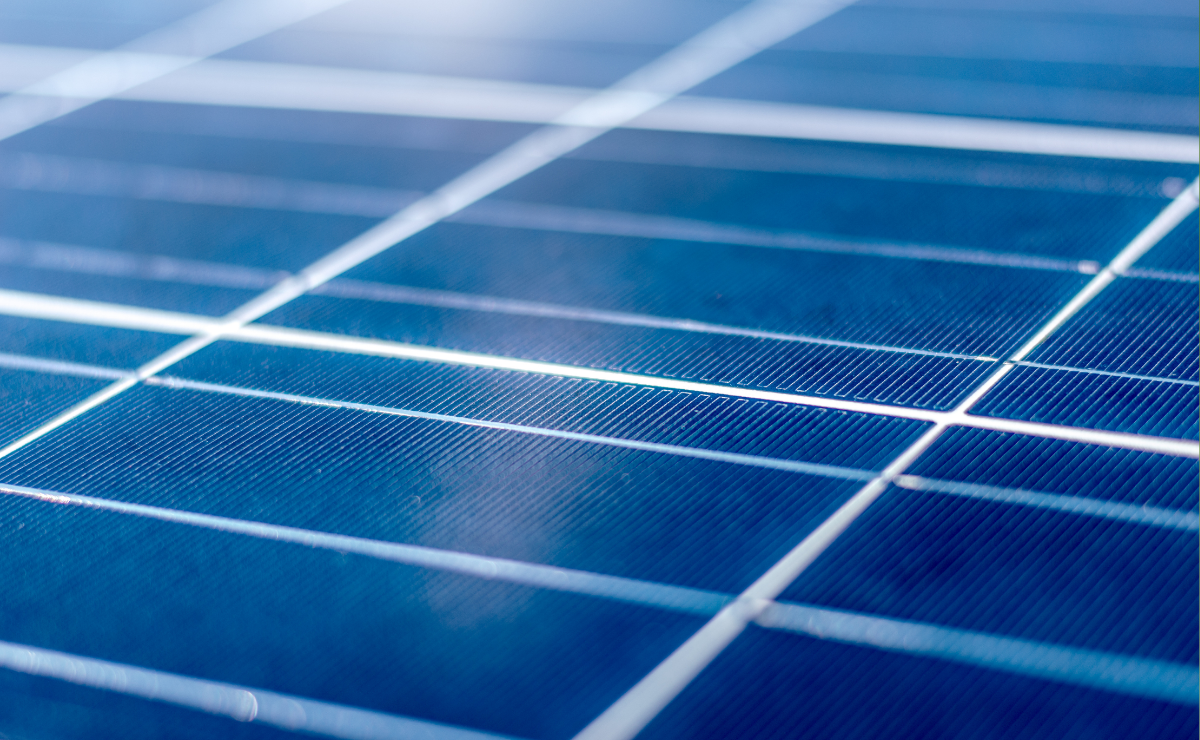
Hailstorms, which could become more frequent and severe due to escalating climate impacts, pose a significant threat to solar farms. Large hailstones can crack the protective glass on solar panels, causing extensive damage.
The analysis reveals a 267% rise in European hailstorms over the past five years, a surge attributed to climate change. In 2019/20, only 3,217 hailstorms were recorded. Countries like Italy and Germany are also experiencing larger hailstones, with some reported as large as 10 cm in diameter.
Chaucer noted that standard insurance policies for solar farms typically cover only 10-15% of the total insurable value (TIV). Additional coverage is necessary to protect solar panels from hailstone damage fully.
Minimising damage
Additionally, the report highlighted that solar farms must often demonstrate that their panels can be tilted to 70 degrees to mitigate hail damage to secure insurance. For many existing installations, this would require retrofitting automated systems.
“Hailstorms are increasingly frequent and therefore increasingly damaging,” says Alex Nelson, class underwriter at Chaucer.
“With limited cover from standard policies, operators of solar installations often have to pick up a large percentage of the cost of damage by a hailstorm. That’s naturally going to slow the growth of solar energy production in those areas where hailstorms occur.”
Despite the growing risk, the industry is adapting. Advances such as thicker tempered films, which are more resistant to cracks, and improved weather monitoring systems that provide timely warnings of approaching hailstorms, are being developed.
“With the intensity and volume of hailstorms likely to continue increasing, it is imperative solar farms invest in new technology and ensure they are financially protected from damage,” Nelson adds.