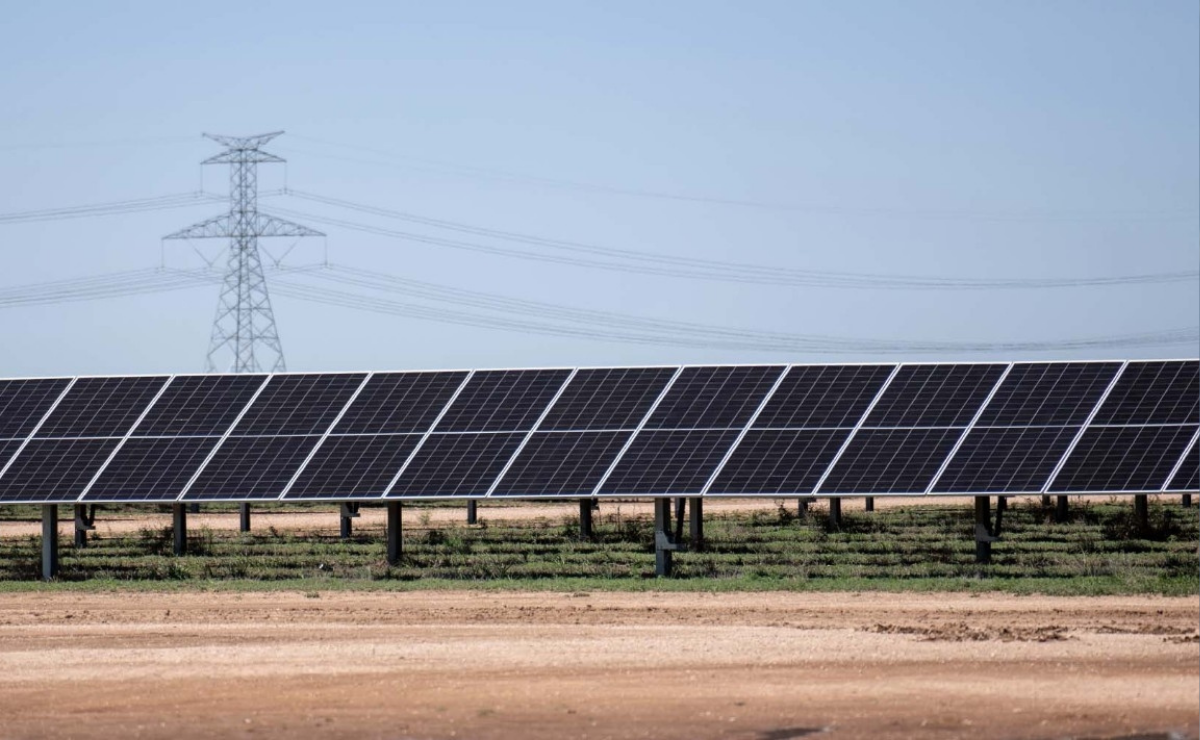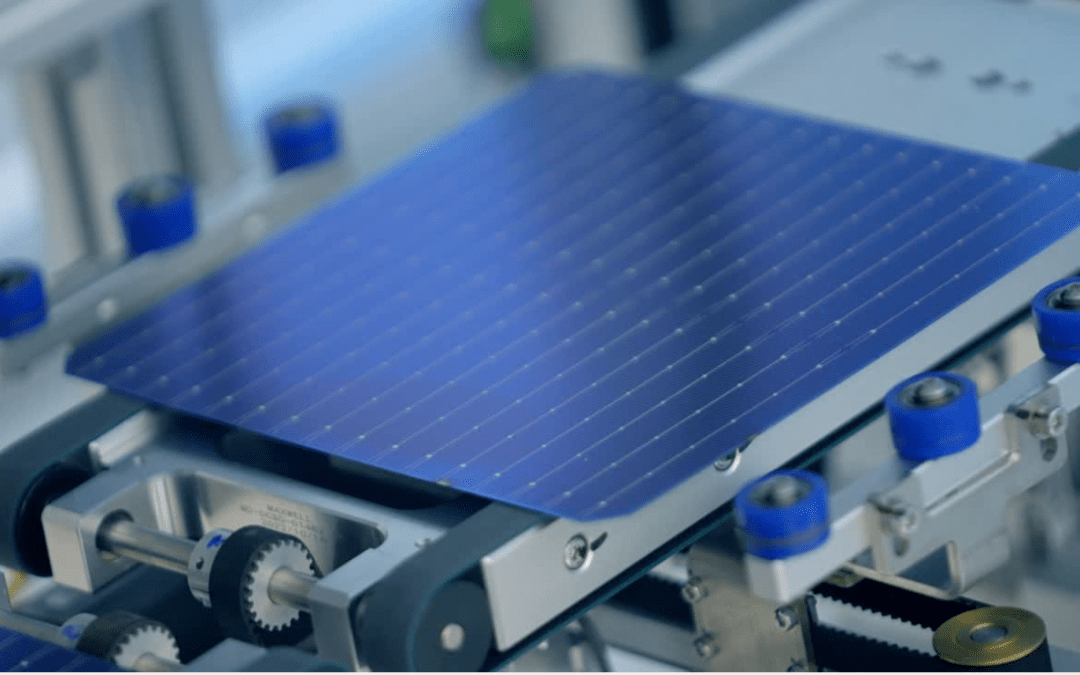
According to the Solar Energy Industries Association (SEIA)’s US Solar Market Insight Q2 2025 report, the US added 8.6GW of new solar module manufacturing capacity in Q1 2025.
This makes Q1 the third largest for new manufacturing capacity to date, and overall, the US installed 10.8GW of new capacity in Q1. Solar and BESS account for 82% of all new generating capacity.
The report also notes that US solar cell production capacity doubled to 2GW in the same time frame, due to a new factory in South Carolina coming online.
SEIA’s report hails Texas as a returning winner in the US’ solar race, as it added more capacity in Q1 than any other state. Florida overtook California to reach second place.
“Solar and storage continue to dominate America’s energy economy, adding more new capacity to the grid than any technology using increasingly American-made equipment,” said SEIA president and CEO Abigail Ross Hopper.
Uncertain horizons
“The 10.8 GW of solar capacity installed in Q1 2025 represents a significant portion of new US electricity generation, highlighting solar’s growing dominance in the energy mix,” said Zoë Gaston, Principal Analyst at Wood Mackenzie – who worked with SEIA on the report.
However, the report also highlights increasing legislation that could hinder the sector’s growth. It cites economy-wide tariffs, new anti-dumping and countervailing duties (AD/CVD) on cells and modules from Southeast Asia, and shifts in renewable energy policies (such as the reconciliation bill) as culprits.
SEIA warns that these hindrances could result in lost jobs, energy shortages, rising energy bills, factory closures, and a fall in national energy production by 173TWh.
“The proposed changes to federal tax incentives, along with ongoing tariff concerns, could significantly impact this growth trajectory and potentially lead to energy supply challenges,” adds Gaston.
“It’s important to consider the critical role of solar in America’s energy landscape.”