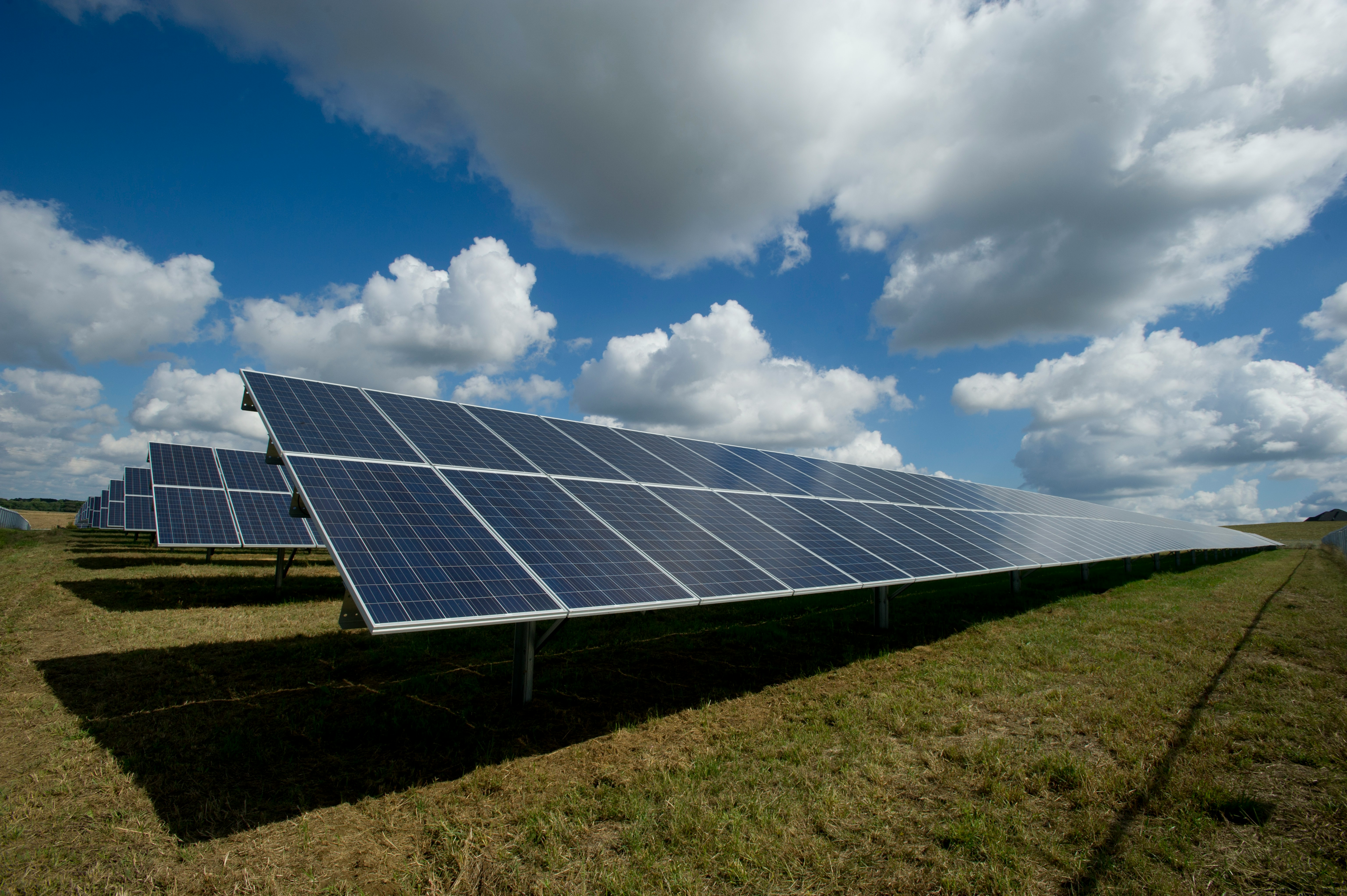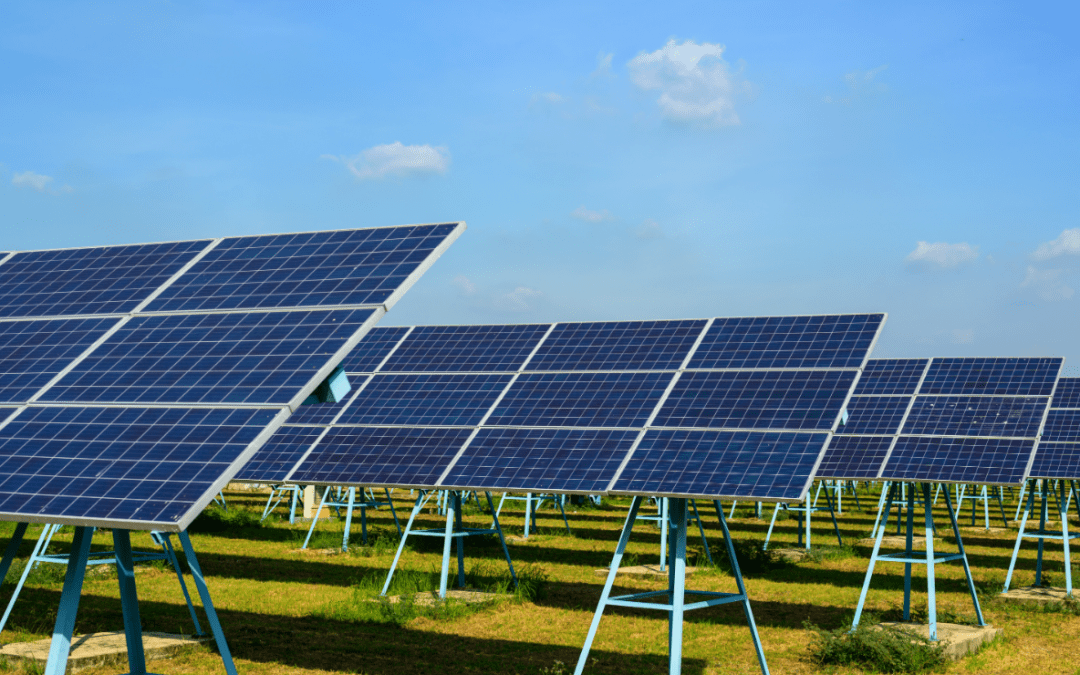
The US solar industry installed 11.7GW of new capacity in the third quarter of 2025 – its third-largest quarter on record – pushing total 2025 installations past 30GW.
According to the U.S. Solar Market Insight Q4 2025 report by the Solar Energy Industries Association (SEIA) and Wood Mackenzie, solar and storage accounted for 85% of all new power added to the grid in the first nine months of the Trump Administration.
The report highlighted that 73% of all capacity installed this year was built in states won by President Trump, including eight of the top ten states (Texas, Indiana, Florida, Arizona, Ohio, Utah, Kentucky, and Arkansas). Utah surged into the top ten with over 1GW of capacity coming online.
This market growth occurs despite federal actions, such as a U.S. Department of the Interior (DOI) memo, that have created significant business uncertainty for utility-scale projects.
SEIA president and CEO Abigail Ross Hopper said the “record-setting quarter for solar deployment shows that the market is continuing to turn to solar to meet rising demand.”
She warned that unless the administration “reverses course, the future of clean, affordable, and reliable solar and storage will be frozen by uncertainty… America’s manufacturing surge, our global competitiveness, and billions of dollars in private investment are on the line.”
The US has added 17.7GW of new module manufacturing capacity in 2025, with new facilities in Louisiana and South Carolina. With a new Michigan wafer facility, the US can now produce every major component of the solar module supply chain.
However, due to the lack of clarity from the DOI on permitting, the report’s forecast for utility-scale deployment through 2030 remains unchanged.
Michelle Davis, Wood Mackenzie’s head of solar research, stated, “We expect 250 gigawatts of solar to be installed from 2025 – 2030. But the US solar industry has more potential.”
She concluded the industry is “well positioned to meet more of this new demand if existing constraints were alleviated,” referencing the over 73 GW of permitted solar projects vulnerable to politically motivated delays.