Singapore’s government and the Energy Market Authority (EMA) have announced significant upgrades to the power sector, including potential expansions of Southeast Asia’s largest battery storage plant.
Speaking at the Singapore International Energy Week on 21 October, Deputy Prime Minister Gan Kim Yong emphasised the commitment to peak emissions by 2030 and achieve carbon neutrality by 2050.
“This will not be easy, given our limited land surface for solar deployment and the lack of wind or hydro-electric power,” he noted.
The proposed initiatives involve increasing energy imports, utilising various technologies domestically, and improving grid connections for new projects.
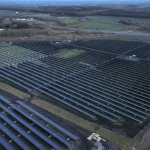
Despite challenges, solar photovoltaic (PV) remains the “most viable source of renewable energy domestically.” Singapore aims to reach 2GWp of solar capacity by 2030, currently achieving 1.35GWp, a significant increase from 260MWp in 2019.
However, Gan highlighted the necessity to “step up energy storage systems to manage solar intermittency.”
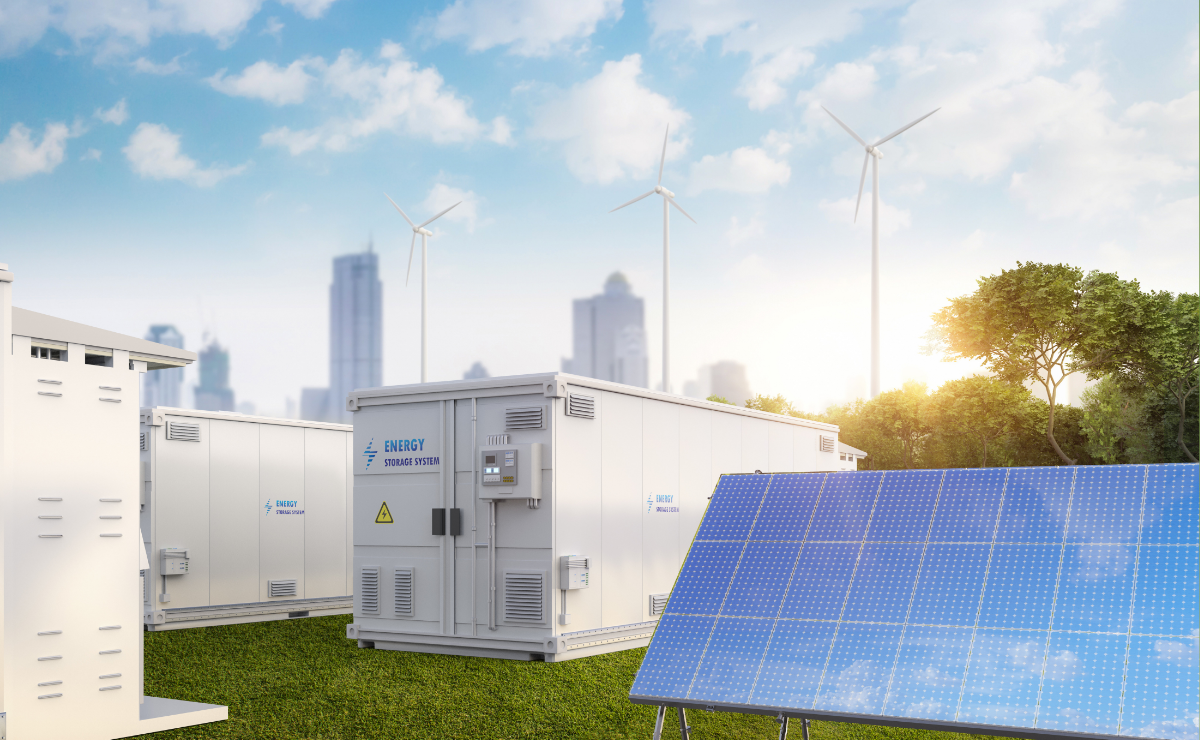
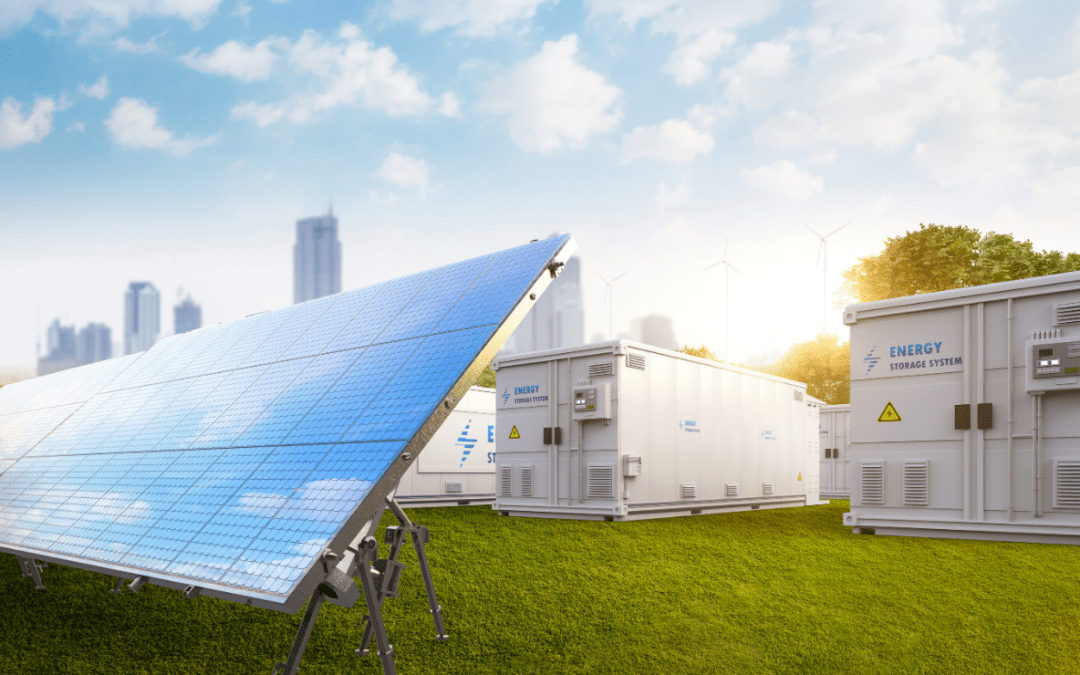
Talks are underway to expand the 200MW/285MWh battery energy storage system (BESS) on Jurong Island, developed by Sembcorp and the EMA.
This project, the largest in Southeast Asia, helps to “counteract sharp and unexpected drops in solar energy,” said Gan.
Additionally, the EMA announced plans to import 6GW of low-carbon energy by 2035, with 2GW of conditional licenses already granted.
Sun Cable
In another initiative, the EMA has awarded Conditional Approval to Sun Cable for importing 1.75GW of low-carbon electricity from Australia.
This project aligns with Singapore’s decarbonisation strategy and aims to leverage a mix of solar, hydropower, and wind energy.
The EMA continues to seek credible proposals to support the nation’s goal of achieving net-zero emissions by 2050, exploring pathways such as hydrogen and carbon capture technologies.