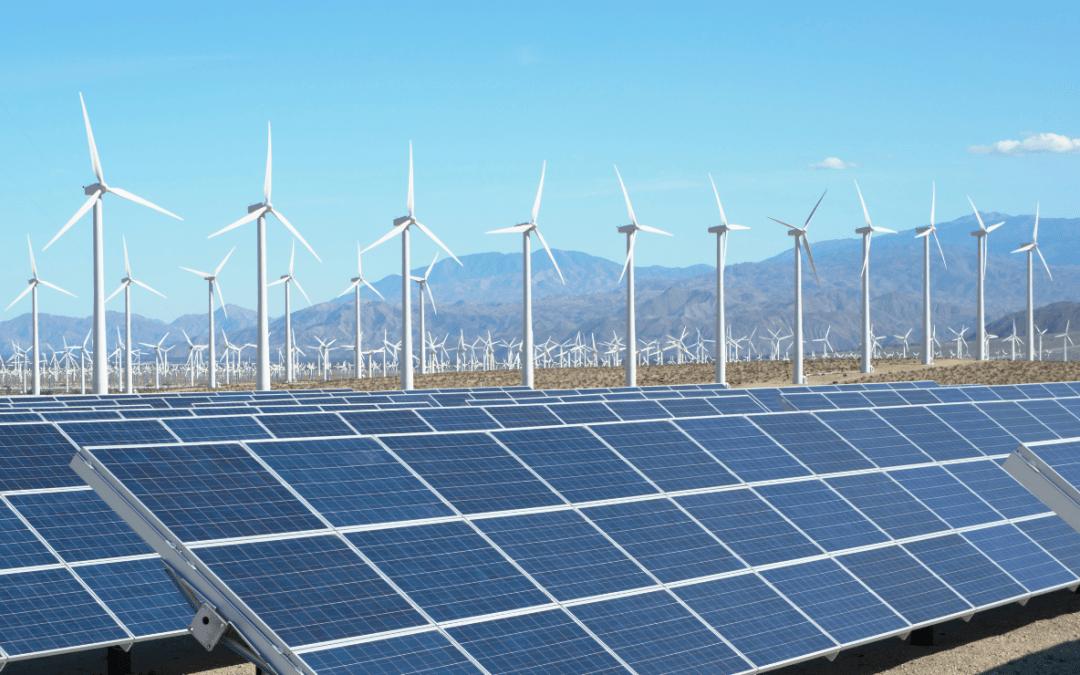
Solar and wind energy in China surpassed coal in capacity for the first time as of June this year, according to the National Energy Administration (NEA).
Rystad Energy’s forecast predicts that by 2026, solar power alone will exceed coal as China’s primary energy source, reaching over 1.38 TW, which is 150 gigawatts more than coal.
China has significantly invested in renewable energy infrastructure despite coal’s initial dominance, with around 50 GW of annual installations before 2016.
Since 2020, wind and solar installations have consistently exceeded 100 GW per year, vastly outpacing coal additions. Last year, China set a record with 293 GW of wind and solar installations, driven by NEA’s large-scale renewable projects.
Conversely, the coal power sector is declining. While 40 GW of coal capacity was added last year, only 8 GW was added in the first half of 2024, according to Rystad estimates.
The government supports renewables while pushing for cleaner coal power by phasing out smaller plants, upgrading existing ones to reduce emissions, and enforcing stricter standards for new projects.
A record 216 GW of new solar capacity was installed last year, and with 105 GW added in the first half of this year, Rystad expects China to surpass 230 GW in total for 2024. Wind power also saw growth, with 75 GW added last year and 25 GW in the first half of this year, with another 50 GW expected by year-end.
“We’re at a pivotal moment for both China and the global energy transition,” said Simeng Deng, Senior Analyst at Rystad Energy.
He noted that China is on track to shed its reputation as the world’s largest greenhouse gas emitter and power consumer, with solar energy central to this transformation. According to Deng, this shift is turning China from a coal-dependent giant into a leader in clean energy.