Solar Energy UK’s recent analysis has demonstrated a discrepancy between official projections of the UK’s solar sector, and the “real potential”.
In reviewing current market data and surveying over 400 solar industry members, the trade body found that the National Energy Systems Operator’s (NESO) target of 47.4GW by 2030 underestimates the sector’s current momentum.
In its newly released detailed briefing, Solar Energy UK counters NESO with a “more ambitious but achievable target” of 50-60GW by 2030.
To draw this conclusion, Solar Energy UK has used Durham Energy Institute’s modelling – which shows that reaching this revised target could reduce energy costs by 12% and cut reliance on high-carbon generation.
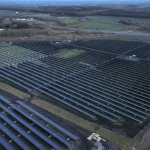
To further its point, Solar Energy UK also stresses that the UK currently stands at 20GW of installed solar, with 3GW under construction and 11GW of consented projects “in the pipeline”.
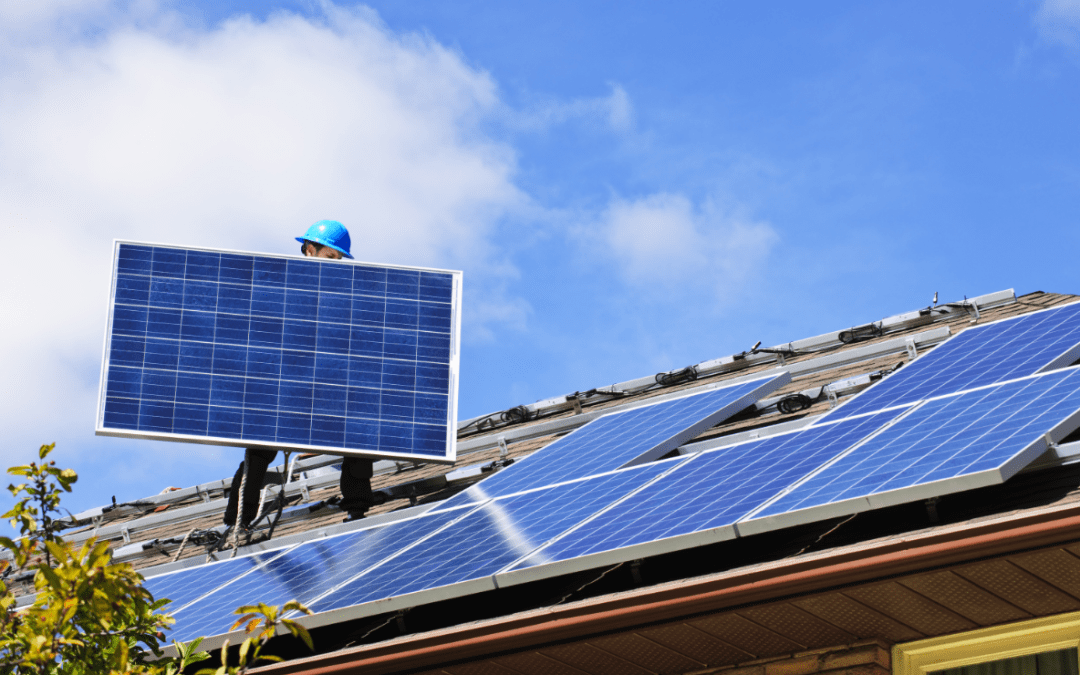
The trade body concludes that the UK achieved a consistent 1GW annual deployment rate through 2023-2024 – only considering rooftop solar.
Considering the UK government’s “rooftop revolution”, Solar Energy UK has raised its concerns about arbitrarily capping viable projects via region should the sector continue to adhere to outdated predictions.
Additionally, Solar Energy UK highlights that NECO’s target fails to account for various government initiatives which will impact solar generation for rooftops and businesses, such as the Warm Homes Fund, GB Energy, the Local Power Plan, the Future Homes Standard, Future Buildings Standard and retrofitting public buildings.
Taking initiative
“Solar and batteries can be built very quickly, and in the next five years offer the Government a huge opportunity to speed up its mission to deliver clean power,” says Solar Energy UK Chief Executive, Chris Hewett.
“Setting a goal to treble solar to 60GW, rather than a de facto cap implied by the NESO advice, will deliver the lowest cost home-grown energy and thousands of secure jobs,” said Solar Energy UK Chief Executive Chris Hewett.
Announcing the briefing on LinkedIn, Solar Energy UK concludes:
“As we close out 2024, we’re calling for a fundamental reassessment of how we plan for Solar’s growth. The technology is proven, the costs continue to fall, and public support is strong. Let’s ensure our planning frameworks match this reality.”
The full briefing and further details can be found here.