In a statement, Solar Energy UK has “welcomed” last week’s announcement by the UK parliament on solar energy, confirming that current land use policies will continue to provide stability for the sector’s growth.
Secretary of State for Energy Security and Net Zero, Claire Coutinho, had one “significant change”, commented Solar Energy UK’s Senior Communications Adviser Gareth Simkins. This concerned “the perceived accuracy of soil quality grading.”
The Government plans to support independent certification o assessments by developers to prevent disputes over which areas fall under planning guidelines for higher-quality agricultural land.
Solar Energy UK noted that comments from Coutinho and the Prime Minister on food security targeted a small group of anti-solar Conservative backbenchers rather than local council decision-makers.
They additionally stated that the solar industry remains committed to established principles and anticipates the upcoming release of the government-industry Solar Roadmap, which aims to add more than 50GW of solar capacity over the next decade.
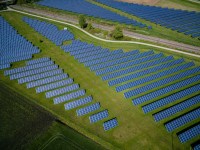
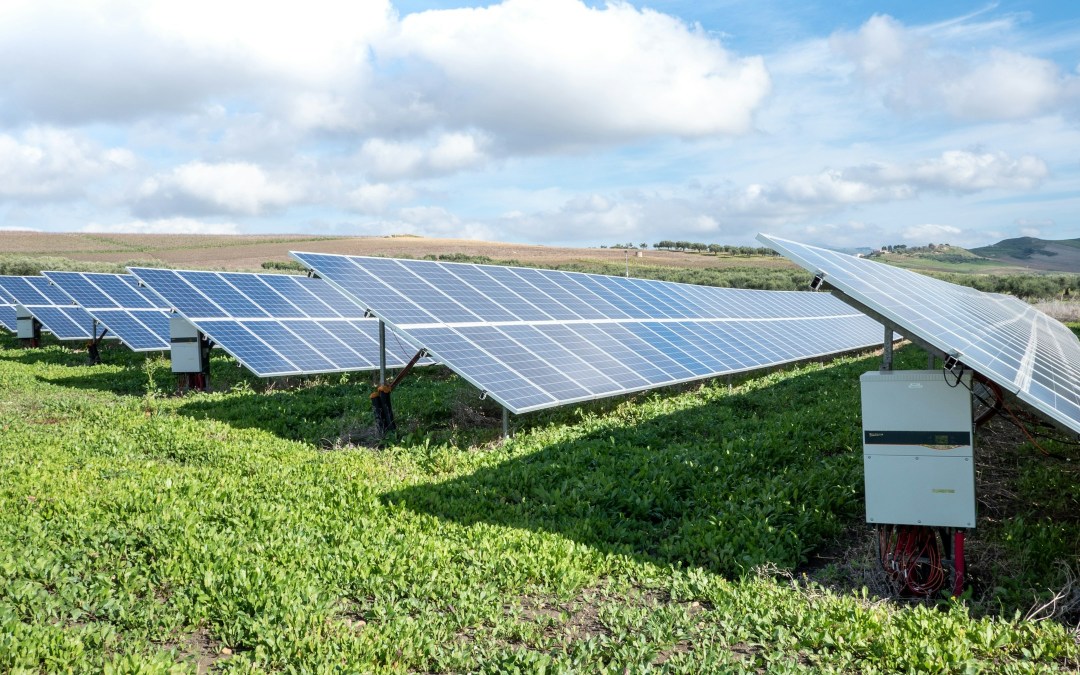
“Solar farms occupy a minimal portion of the country, and this will remain true even when the Government expects us to quadruple our current solar generation capacity by 2035,” stated Chris Hewett, Chief Executive of Solar Energy UK.
“They pose no threat to food security; in fact, they support it. According to Defra, climate change is the main threat to food security, and solar farms help combat this.
“Without solar farms, many traditional farming businesses would struggle to survive, as they rely on the steady income solar farms provide.”
The statement continued, stating that Government statistics indicate that solar farms are the cheapest source of electricity, contributing to food security, decarbonisation, and the national interest. Solar farms also allow for multiple land uses as agriculture often continues post-construction, typically with sheep grazing.
Additionally, solar farms offer environmental benefits by addressing climate change, enhancing energy security with clean, affordable, domestic energy, and restoring natural habitats on the same land.
Finally, Solar Energy UK’s statement brought attention to a survey by Climate Barometer demonstrating that the public and members of parliament greatly overestimate the opposition to their development.