(Image credit: Climate Home News)
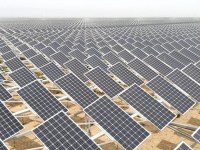
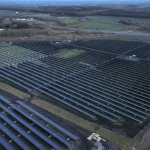
Electricity generation from solar pv is making a significant impact in India’s electricity mix.
Distributed and decentralised solar technologies have benefitted large amounts of the population regarding their domestic energy needs, subsequently increasing living standards through a continuous supply of clean energy.
Solar is the most secure of all the renewable energy sources because of incredible amounts of availability, especially in India. If harnessed correctly, the potential for mass adoption of solar pv in the country is incredible.
According to the Indian government, a potential generation capacity of 5000trillion TwH per year could be generated if India’s available landmass is covered by solar pv. The National Institute of Solar Energy (NISE) in India has highlighted the potential of 746GW of solar to be generated if 3% of waste land was covered by solar pv.
Solar is a key part of India’s government strategy to meet the country’s electricity needs and increase its energy security.
In January 2010, India launched its National Action Plan on Climate Change with its ‘National Solar Mission’ as a key strategy. The action plans key targets include:
- Establishing India as a global leader in solar energy.
- To have 50% of India’s total electricity generation be from green technologies.
- Decrease its carbon intensity by 45% (from 2005 levels) by 2030.
By the end of 2022, India stood at the 5th largest solar power producer in the world with its total installed capacity reaching 70.10GW by June 2023.
For more interviews from Solar&StorageXtra and to keep up to date with all NEW content, subscribe to the Solar&StorageXtra YouTube channel and Newsletter!
To enquire about interviews, submit news and press releases please contact our Editor, Regan Slaymaker, regan.slaymaker@terrapinn.com.For sponsorship and exhibition enquires please contact Bastiaan van der Heijden, bastiaan.heijden@terrapinn.com.