According to Raptor Maps’ latest report, the global solar sector lost a record $10bn in revenue due to asset underperformance in 2024.
The company, which specialises in software and robotics for solar asset management, recorded a 15% year-on-year increase in underperformance.
Over the past five years, power losses have risen from 1.84% to 5.77%, leading to a 214% increase in lost revenue.
Equipment issues were a primary factor, with inverters responsible for 37-39% of power loss. Strings and combiners contributed 22% and 19% of losses, respectively.
The commercial and industrial (C&I) sector faced significant challenges, with smaller sites (<5MW) experiencing an average of 264 DC health issues per MW annually.
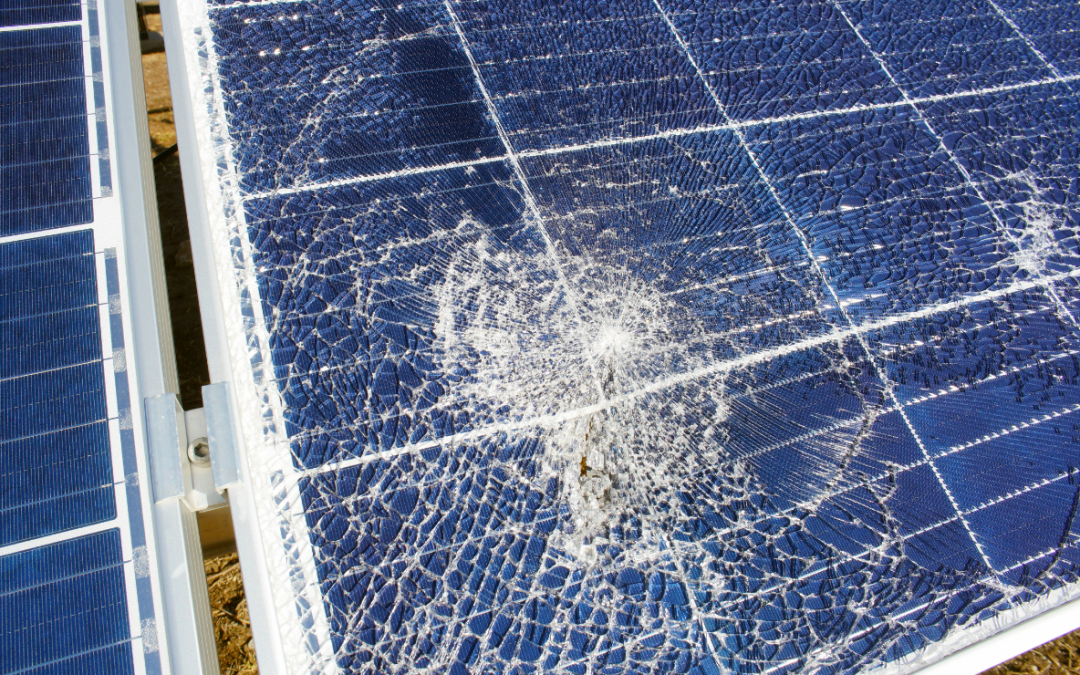
Module damage has also surged, accounting for 50% of module-level power loss in 2024, up from 17% in 2023.
Extreme weather events posed a growing risk. Raptor Maps noted that assets in ERCOT were 16 times more likely to suffer weather-related damage than those in NYISO.
“The US is dramatically underprepared for hailstorms,” said John Sedgwick, CEO of VDE Americas. Studies suggest larger hailstones – expected to become 25-75% more frequent – pose an increasing threat.
Labour shortages and political uncertainty also contributed to challenges. While US solar capacity grew 182% from 2018 to 2023, operational labour increased by 91%.
With global solar capacity exceeding 2TW, the industry is turning to automation and robotics to mitigate these issues. “Leading players are now embracing software-driven diagnostics to combat operational challenges,” the report concluded.