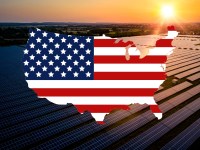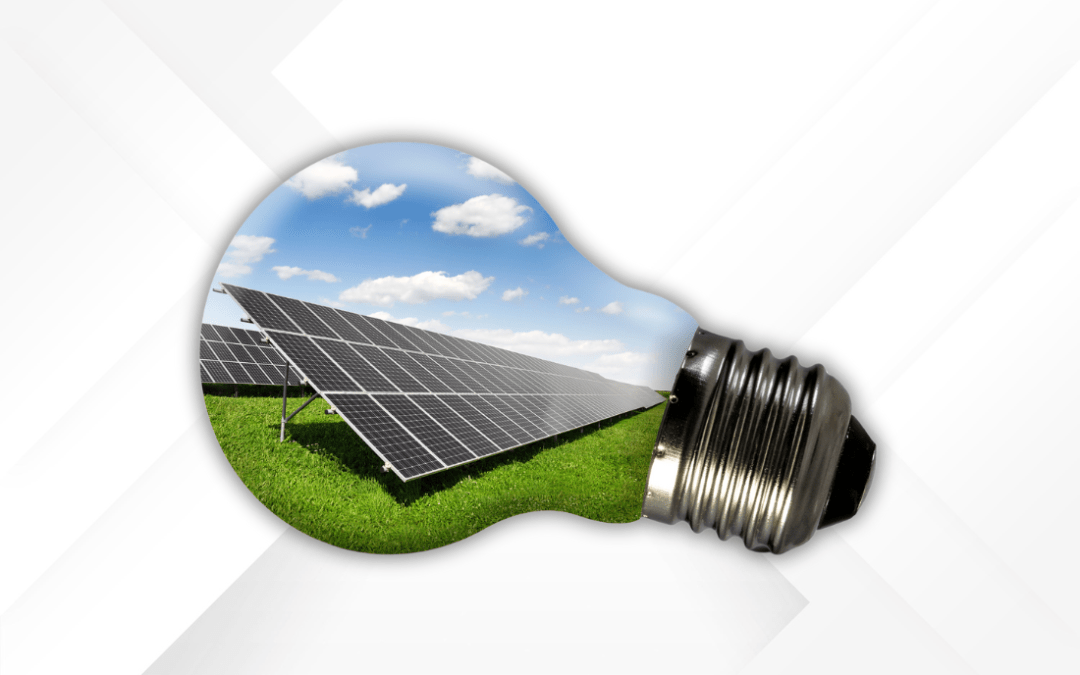
New data from the USA’s Federal Energy Regulatory Commission has been reviewed by the SUN DAY Campaign, revealing that solar power provided nearly 87% (6497MW) of the country’s new capacity in January – March 2024.
In just March, solar contributed 99.7% of new capacity. This was the seventh month in a row where solar energy provided more new US electrical generating capacity than any other source.
In its “Energy Infrastructure Update” tracking data through to the end of March, FERC noted that 52 units of solar energy gave a new domestic generating capacity of 2833MW in March – resulting in the 99.72% total figure.
Meanwhile, wind contributed 12.40% (928MW) in the same first quarter period.
Natural gas contributed 49MW (0.65%), 5MW oil, 3MW biomass, 3MW “other,” and 1MW hydropower.
SUN DAY Campaign’s executive director, Ken Bossong, commented: “FERC’s data for the first quarter seem to confirm forecasts by multiple sources that solar will dominate new capacity additions in 2024.”
Leading the charge
The new PV capacity contributed in Q1 2024 was over double the amount added in Q1 2023 (2774MW).
Solar and wind as a whole now account for over 1/5 (20.02%) of the USA’s installed utility-scale generating capacity.
Biomass (1.14%) and geothermal (0.33%) renewables occupy a 29.37% share of total US utility-scale generating capacity – an increase from 2023’s 27.67% figure.
Installed utility-scale solar has lagged behind natural gas (43.79%), coal (15.87%), and wind for its share of generating capacity. However, it has recently overtaken nuclear power’s share (8.01%).
FERC reports net “high probability” additions of PV will net “high probability” add-ons between April 2024 – March 2027, according to the report, totalling 89,030MW. This amount is more than 3 1/3 times wind’s predicted net “high probability” additions (24,483MW).
Bossong concluded: “It is not unreasonable to suggest that solar’s growth this year will exceed expectations.”