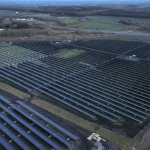
Solar PV energy has become a key component of Brazil’s energy mix, currently accounting for 19.8% of the country’s electricity generation.
This growth in solar energy has prevented the emission of approximately 57m tons of CO2, contributing to environmental protection. The expansion of solar PV has also supported the green economy, creating around 1.4m jobs in Brazil.
Additionally, photovoltaic systems are playing a vital role in energy democratisation, benefiting over 4m consumer units through credits in the public distribution network.
This shift promotes energy independence and aligns with global trends toward sustainability. Solar power is increasingly seen as a crucial element for a cleaner energy future in Brazil.
According to the Brazilian Association of Solar Photovoltaic Energy, São Paulo leads in the number of solar plants, followed by Minas Gerais and Rio Grande do Sul.
Since 2012, solar PV has brought economic and environmental benefits, with 1.4m jobs created and over 57m tons of CO2 avoided.
Thiago Müller Martins, a specialist engineer, notes that photovoltaic systems can convert sunlight into electricity in various locations, offering both ecological benefits and cost savings.
Quantum Engenharia has implemented over 150 solar projects, expecting to generate 360 GWh over the next 25 years, avoiding around 190m KG of CO2 emissions.
The company plans to build nine additional plants by the end of the year, supporting industries and public sectors.
Photovoltaic systems convert sunlight into electricity using semiconductor materials like silicon. These systems can be used for small residential setups or large-scale plants.
Solar energy can also be integrated into the public grid, allowing excess energy to be converted into credits, which reduces consumer electricity costs.