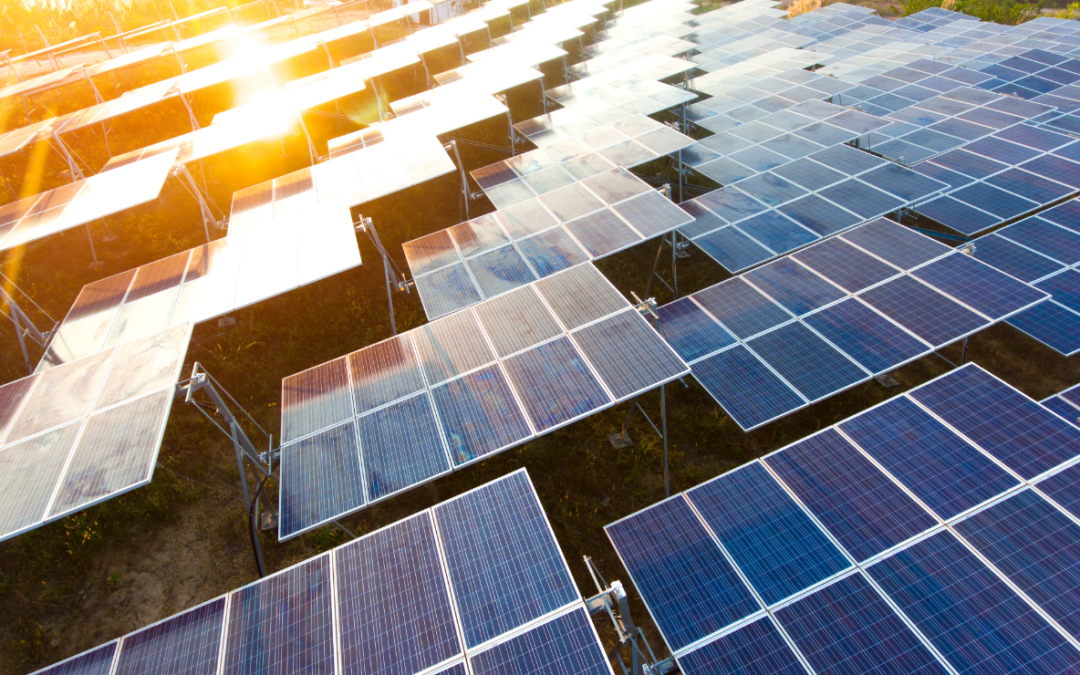
Solar energy supplied nearly 9% of US electricity in the first half of 2025, according to a review of U.S. Energy Information Administration’s (EIA) data by the SUN DAY Campaign.
Figures from the EIA’s latest Electric Power Monthly show that wind and solar combined produced over one-fifth of the nation’s electricity, while renewables overall accounted for 27.7%.
Solar generation set records in June and across the six-month period. Utility-scale solar grew 37.6% year-on-year in January-June, with small-scale systems up 10.7%. Together, solar expanded by 29.7%, providing 8.7% of total generation, up from 6.9% a year earlier.
In June alone, solar supplied 10.2% of national output, rising 25% compared with June 2024. Utility-scale plants grew by 30.1% while rooftop solar rose by 10.5%.
The review found solar produced 45% more electricity than hydropower, and more than hydropower, biomass, and geothermal combined.
Wind power contributed 11.6% of US electricity in the first half of 2025, 2.4% higher than the same period last year. Wind and solar together generated 20.3% of the total, overtaking coal and nuclear.
All renewables increased output by 9.2% year-on-year, compared with 3.0% growth in total US electricity generation. Natural gas remained the leading source, though its output fell 3.7%.
“EIA’s latest data reflect the situation prior to enactment of the Trump/Republican megabill which may adversely future renewable energy growth,” said Ken Bossong, executive director of the SUN DAY Campaign.
On July 7, the US President signed an executive order that scaled back tax incentives for renewable projects, including solar and wind, which is forecasted to negatively impact the nation’s renewable progress.
Bossong adds: “Nonetheless, EIA notes that US developers expect half of new electric generating capacity to come from solar in 2025 and another 13% from wind.”
The EIA released its latest report on 26 August.