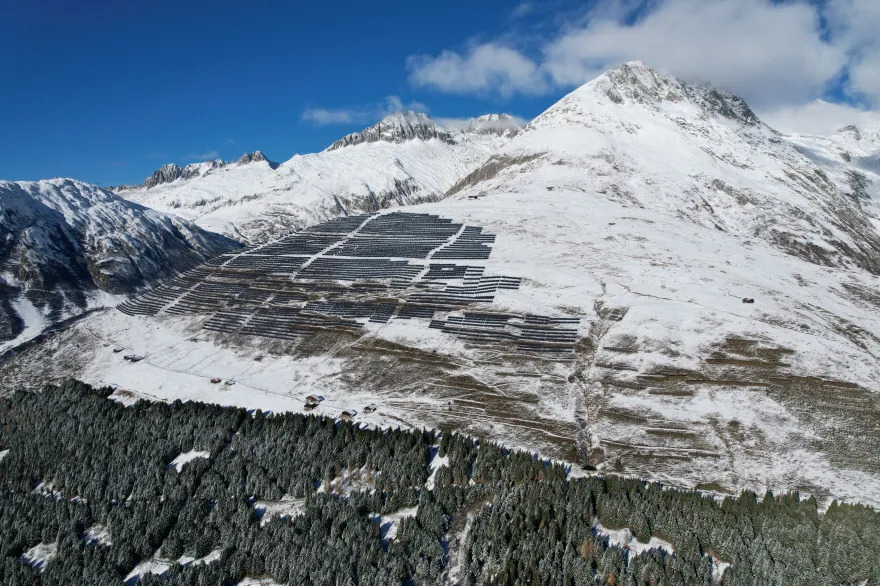
Switzerland is moving forward with plans to build large solar farms in high-mountain regions to increase renewable energy production, particularly in winter. The first major project under the government’s “Solar Express” initiative is underway near Sedrun, in southeastern Switzerland.
In response to the climate crisis and energy concerns, the Swiss parliament passed a law two years ago to streamline the approval process for solar parks in alpine areas.
The law eases construction requirements, including environmental regulations, and offers generous subsidies covering 60% of project costs. However, operators must begin supplying electricity by the end of 2025 to secure funding.
Since the law’s passage, around 50 large-scale projects have been proposed, though about a third have been abandoned due to local opposition, delays, or financial issues. Of the remaining projects, only four have received planning approval.
Construction has begun on one: the Sedrun solar farm in Graubünden.
Solar in Sedrun
In August, a ceremony was held on the mountain above Sedrun, the future site of the solar farm. “It’s a once-in-a-lifetime project,” said local mayor Martin Cavegn. “It’s a south-facing slope… There are already roads and an electricity grid connection. It is very easy to build here.”
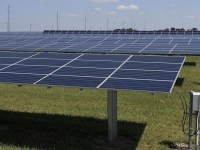
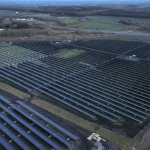
The facility will cover 300,000 square meters and is expected to have a capacity of 19.3 megawatts, nearly ten times that of the largest solar plant in the Swiss Alps. It will supply enough energy for 6,500 homes, with half of the electricity generated in winter when demand peaks.
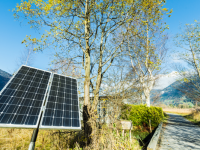
Building solar farms in high-mountain regions is controversial but offers advantages. Alpine solar panels can generate significant power in winter, while fog makes lowland panels less efficient.
The Sedrun project, costing CHF 85 million ($100 million), is supported by local energy operator Energia Alpina and renewable energy firm Aventron. The local community approved the project by vote.
“The fact that it was a local project was ‘decisive’ for voters,” said Energia Alpina president Ciril Deplazes. The panels will also be minimally visible, easing environmental concerns.
“The project doesn’t just cover everything with solar panels,” said WWF Graubünden head Anita Mazzetta. The location is well chosen with minimal impact on nature and the landscape.
[Image: Computer rendering of SedrunSolar park. Image credit: Energia Alpina]
Switzerland Energy Week marks the leadup to Solar & Storage Live Zürich, taking place 17-18 September. Haven’t registered yet? Don’t miss out on your free ticket by securing your place here.