A study titled Future Swiss Energy Economy: The Challenge of Storing Renewable Energy, published in the journal Frontiers in Energy Research, in part analyses how Switzerland could use solar power as part of its renewable energy transformation through various storage and economic solutions.
Researchers hailed from École Polytechnique Fédérale de Lausanne (EPFL) and Empa Materials Science and Technology in Switzerland, and from Tohoku University in Japan.
Solar’s role in Switzerland
Solar energy is a key renewable resource for Switzerland’s future energy economy. PV installations capture solar power efficiently, and with the right infrastructure, solar energy has the potential to meet a significant portion of the country’s demand.
On average, Switzerland receives around 1,100kWh per square meter annually, making solar energy a viable source of electricity. The study further highlights the potential for expanding solar PV capacity to cover many of the country’s energy needs.
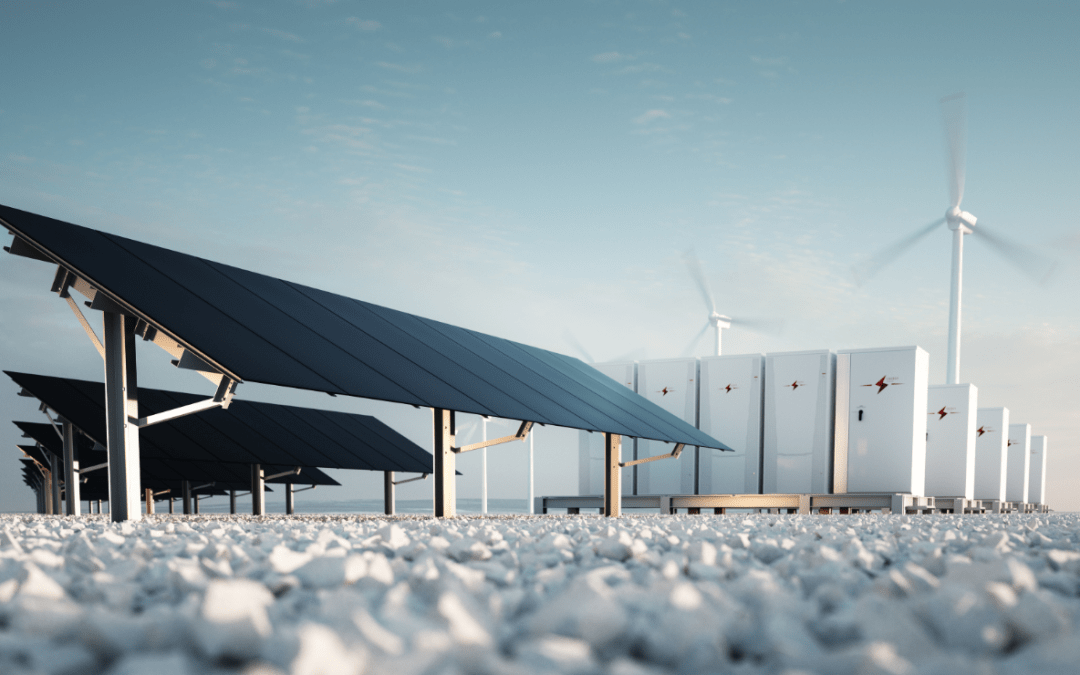
However, the variability of solar energy, with higher production in summer and lower output in winter, creates a need for efficient energy storage systems. The main challenge is ensuring that excess energy generated during sunny months can be stored and used during periods of lower sunlight, especially in winter.
Approaches to solar storage
The study examined three energy systems for Switzerland’s renewable future, all of which rely heavily on solar power:
- Purely electric system (ELC): Solar power is converted directly into electricity, which is stored in batteries and used to meet energy demand. The electric system is the most energy-efficient option, but it faces challenges with seasonal storage.
- Hydrogen-based system (HYS): Solar power generates hydrogen through electrolysis, and the hydrogen is stored for later use. This method provides flexibility for seasonal storage, but the study notes that the hydrogen infrastructure – production, storage, and transportation – needs development.
- Synthetic hydrocarbon system (HCR): Solar energy is used to produce synthetic hydrocarbons, such as synthetic fuels, by capturing carbon dioxide from the air and combining it with hydrogen produced by solar power. This system is the least energy-efficient, requiring the largest PV installations and additional energy for conversion processes.
Solar energy potential and storage challenges
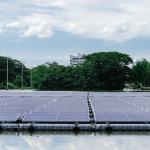
The study shows that solar energy alone could potentially meet Switzerland’s energy needs, provided enough PV installations are developed. For the purely electric system, an area equivalent to 13% of Switzerland’s urban space would need to be covered with solar panels.
Although solar energy is abundant during the summer, the critical issue is storing that energy for use in the darker winter months.
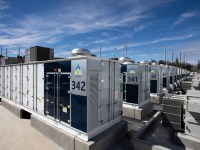
To achieve this, either battery storage or alternative storage methods like hydrogen or synthetic hydrocarbons would be required. While battery storage for day-to-day energy balancing is feasible, long-term seasonal storage remains the biggest hurdle.
Hydrogen and synthetic hydrocarbons present viable solutions, but their implementation requires further technological advancements and infrastructure investments.
Economic considerations
The cost of transitioning to solar energy in Switzerland is a key factor. The purely electric system, which relies heavily on solar power, is the most cost-effective at around CHF 3,669 per person annually.
Hydrogen-based systems and synthetic hydrocarbon systems are more expensive due to the additional infrastructure and conversion processes required. With continued technological development, the cost of solar panels and storage solutions is expected to decrease, making solar energy more economically feasible over time.
Conclusion
Solar energy is a cornerstone of Switzerland’s renewable energy future. With proper infrastructure, PV installations can generate enough power to meet a significant portion of the country’s energy needs.
However, the main challenge remains energy storage, especially to balance seasonal fluctuations in solar output.
By investing in innovative storage technologies like hydrogen and synthetic hydrocarbons, Switzerland can harness solar energy efficiently and create a sustainable energy economy for the future.
Switzerland Energy Week marks the leadup to Solar & Storage Live Zürich, taking place 17-18 September. Haven’t registered yet? Don’t miss out on your free ticket by securing your place here.