by Catie Owen | Nov 7, 2024 | Large Scale Utility Solar
Press Release
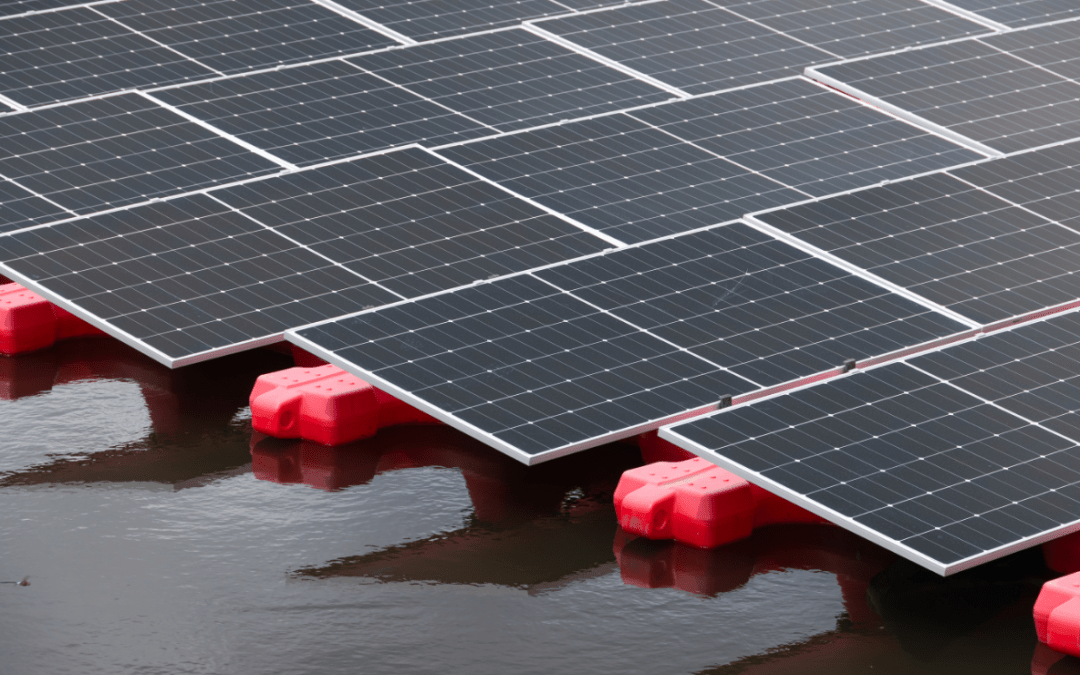
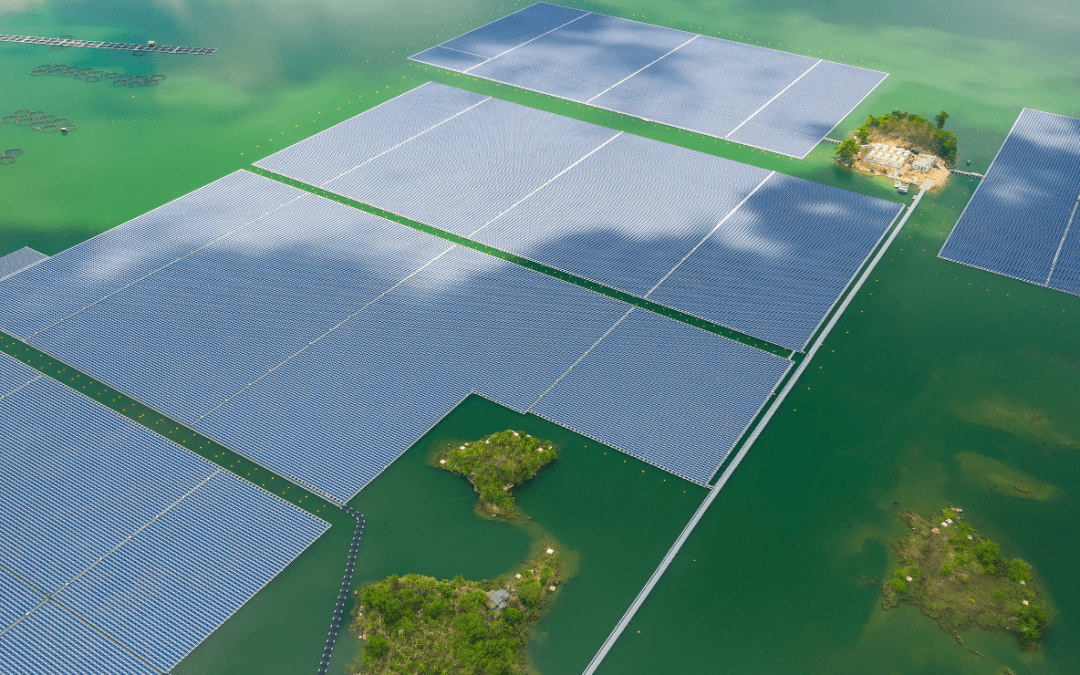
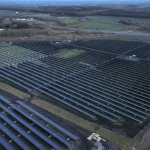
Abu Dhabi Future Energy Company PJSC – Masdar, the UAE’s clean energy powerhouse, has signed a Joint Study Agreement with Malaysia’s Sarawak Energy and clean energy solutions provider, Gentari, to assess the feasibility of a floating solar power plant at the reservoir of Murum Hydroelectric Plant in the state of Sarawak, Malaysia.
The large-scale floating solar PV project marks a significant step towards expanding renewable energy capacity in Sarawak state and supporting Malaysia’s clean energy ambitions. The exchange of documents was held at Masdar’s head office in Abu Dhabi.
Floating solar projects offer several advantages for countries like Malaysia with growing populations and a scarcity of land that is required for agriculture, housing and industry.
Placing solar plants on water reduces land use, decreases water evaporation, and offers potential synergies with hydroelectric operations.
Stakeholders
Mohamed Jameel Al Ramahi, Masdar Chief Executive Officer, said:
Our partnership with Sarawak Energy and Gentari represents a powerful convergence of expertise and ambition in the pursuit of a sustainable energy future.
By harnessing our collective strengths in renewable energy technologies, particularly in large-scale solar and floating PV innovations, we are demonstrating that we can accelerate the energy transition and drive economic growth through bold, collaborative action.
This deal follows our landmark agreement with the Malaysian Investment Development Authority in 2023 for the development of 10 gigawatts of clean energy projects across the country. Masdar is proud to contribute to Malaysia’s ambitious renewable energy targets of 31 percent by 2025 and 40 percent by 2035.
Sarawak Energy Group Chief Executive Officer, Datuk Sharbini Suhaili, commented:
Sarawak Energy’s diversified generation mix is crucial to achieving our aim of becoming a renewable energy powerhouse in Southeast Asia.
The potential for a floating solar PV project on the reservoir of the Murum Hydroelectric Plant will complement our ongoing investments in renewable innovations, including our Batang Ai floating solar farm, which is expected to offset 52 kilotonnes of CO2 emissions annually once commissioned by the end of this year.
Sushil Purohit, Gentari Chief Executive Officer, said:
As a proudly Malaysian company, Gentari is pleased to be a key contributor in helping the country achieve its renewable energy targets and climate goals, alongside supporting clients on their net zero journey.
Our partnership with Masdar and Sarawak Energy for this ambitious project unites leading global stakeholders in a shared vision to drive progress in clean energy adoption, optimising technological advancements to more effectively integrate renewables into our energy systems.
At every level—state, national, and international—Gentari is fully committed to driving long-term value as a trusted clean energy partner in Asia Pacific.
The study
The feasibility study assesses the potential for a large-scale floating solar installation on the Murum reservoir. This evaluation will encompass technical feasibility, environmental impact, and economic viability to determine if the project can be successfully implemented.
If deemed viable, this floating solar installation could strengthen Sarawak’s renewable energy capacity and position it as a pioneering model for floating solar projects across the region.
It also supports Sarawak’s ambition to become a leader in clean energy development and export in Southeast Asia.
by Catie Owen | Oct 28, 2024 | Innovation
Press Release
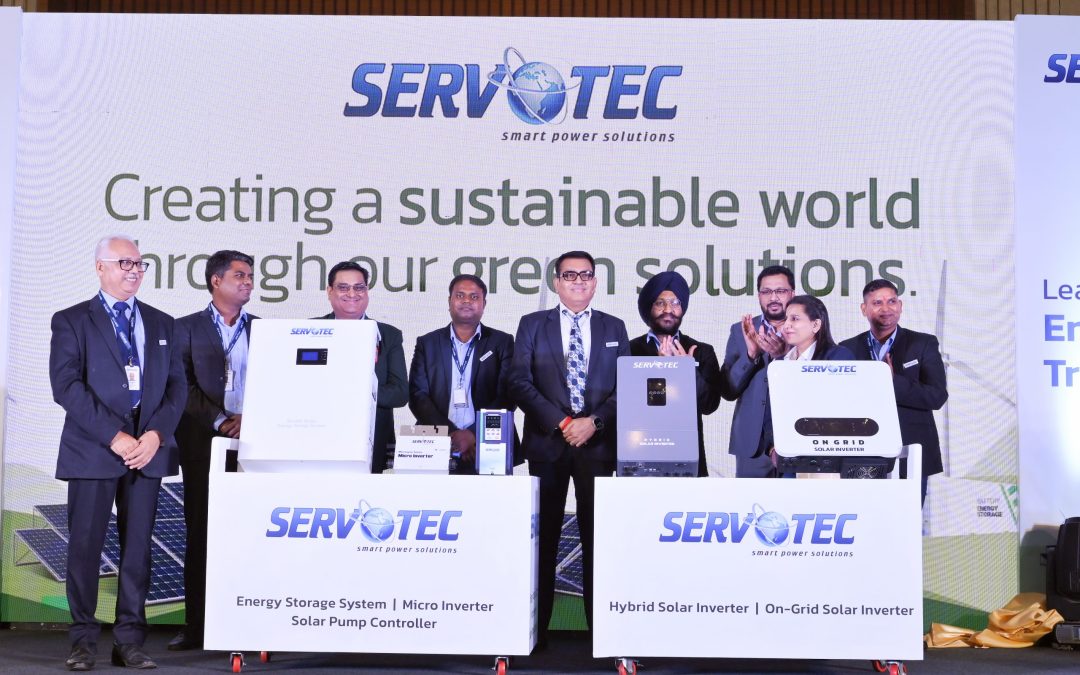
Servotech Power Systems Ltd., a leading manufacturer of renewable energy solutions, organised a product launch ceremony for its new series of innovative and high-tech products.
These include:
- Solar on‐grid inverters
- Solar hybrid inverters
- Solar microinverters
- BESS
- Solar Pump controllers
These products are in alignment with India’s central government schemes like PM Surya Ghar Muft Bijli Yojana and PM‐KUSUM Scheme for residential and commercial rooftops and empower farmers to harness solar energy and promote sustainable farming practices
These cutting-edge solutions will work in harmony to provide a more efficient, reliable, and readily available solution for domestic and commercial applications. They are designed to meet the growing demand for clean energy and reduce dependency on conventional power sources.
Speaking at the launch, Raman Bhatia, Founder and Managing Director stated, “We are thrilled to introduce our solar solutions to the market. These solutions not only help individuals and businesses reduce their carbon footprint but also drive sustainable growth.
“As a global leader in the renewable energy sector, we are at the forefront of accelerating a more productive and sustainable future. We continuously push the boundaries of technology to deliver energy-efficient, decarbonising, and circular solutions that benefit customers, industries, and societies.
“With our digitally enabled and advanced solutions, we empower our customers and partners to achieve greater performance, safety, and reliability in their operations.”
[Image credit: Servotech Power Systems]
by Catie Owen | Oct 23, 2024 | Commercial & Industrial Solar, Storage
Singapore’s government and the Energy Market Authority (EMA) have announced significant upgrades to the power sector, including potential expansions of Southeast Asia’s largest battery storage plant.
Speaking at the Singapore International Energy Week on 21 October, Deputy Prime Minister Gan Kim Yong emphasised the commitment to peak emissions by 2030 and achieve carbon neutrality by 2050.
“This will not be easy, given our limited land surface for solar deployment and the lack of wind or hydro-electric power,” he noted.
The proposed initiatives involve increasing energy imports, utilising various technologies domestically, and improving grid connections for new projects.
Despite challenges, solar photovoltaic (PV) remains the “most viable source of renewable energy domestically.” Singapore aims to reach 2GWp of solar capacity by 2030, currently achieving 1.35GWp, a significant increase from 260MWp in 2019.
However, Gan highlighted the necessity to “step up energy storage systems to manage solar intermittency.”
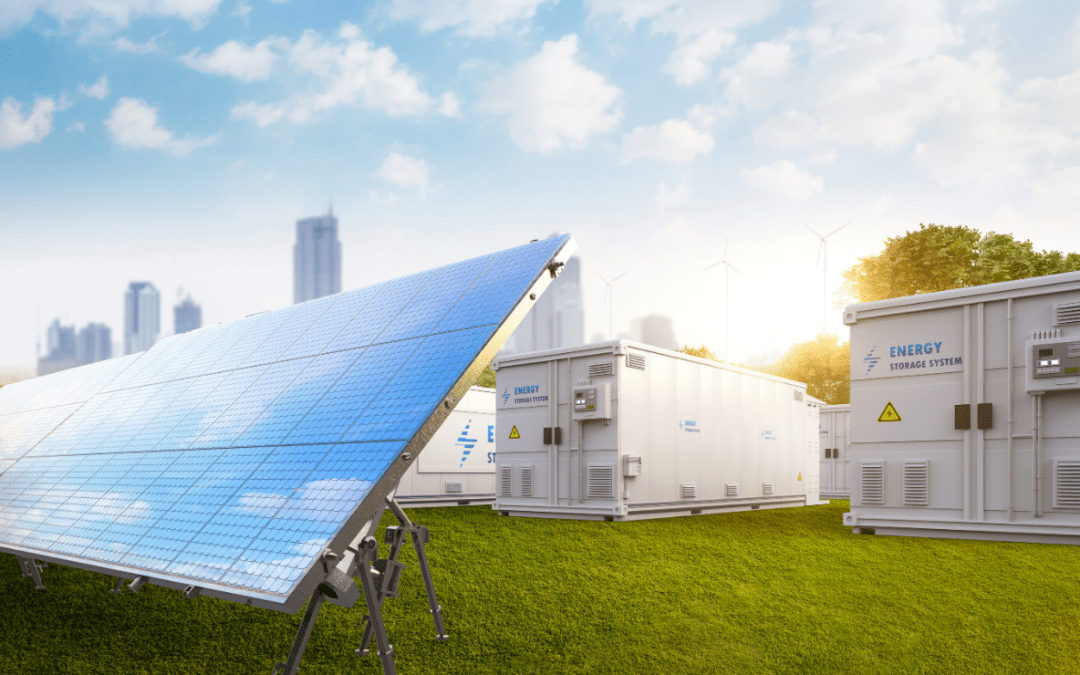
Talks are underway to expand the 200MW/285MWh battery energy storage system (BESS) on Jurong Island, developed by Sembcorp and the EMA.
This project, the largest in Southeast Asia, helps to “counteract sharp and unexpected drops in solar energy,” said Gan.
Additionally, the EMA announced plans to import 6GW of low-carbon energy by 2035, with 2GW of conditional licenses already granted.
Sun Cable
In another initiative, the EMA has awarded Conditional Approval to Sun Cable for importing 1.75GW of low-carbon electricity from Australia.
This project aligns with Singapore’s decarbonisation strategy and aims to leverage a mix of solar, hydropower, and wind energy.
The EMA continues to seek credible proposals to support the nation’s goal of achieving net-zero emissions by 2050, exploring pathways such as hydrogen and carbon capture technologies.
by Catie Owen | Oct 21, 2024 | Commercial & Industrial Solar, Large Scale Utility Solar
Cambodia plans to increase its clean energy imports by more than 50%, including solar, securing over 600 MW from Laos, Vietnam, and Thailand.
Cambodian Energy Minister Keo Rottanak told spoke to Reuters, explaining that the move is part of the country’s broader effort to diversify its energy mix with renewable sources.
Starting in 2026, Cambodia will import 300 MW of solar and hydroelectric power from Laos. The nation is also close to finalising a deal to almost double its current 300 MW energy imports from Vietnam and is exploring an additional 100 MW from Thailand.
“We just signed last week more than 300 MW combined hydro and solar with Laos. So this is going to come to Cambodia in 2026,” Rottanak said in an interview during the Singapore International Energy Week (SIEW).
Cambodia already has agreements to import 1,030 MW from its neighbours, accounting for nearly 25% of its total energy supply, according to the US International Trade Administration.
Rottanak expects to secure another 200 MW from Vietnam and further potential energy from Thailand.
Cambodia and Vietnam’s national utilities have completed discussions, and the import deal is awaiting final government approval.
Rottanak noted that these energy imports would enhance regional energy connectivity and offer flexibility in dealing with disruptions to hydropower caused by increasingly erratic weather.
While the Association of Southeast Asian Nations (ASEAN) has aimed to establish a regional power grid for decades, progress has been slow, with most deals remaining bilateral. However, Rottanak expressed optimism that a regional grid could become a reality by 2035.
by Catie Owen | Oct 17, 2024 | Commercial & Industrial Solar
Waaree Energies Ltd., an India-based integrated renewable energy company, is expanding its global solar energy operations ahead of its initial public offering (IPO).
Currently focusing on the US, where it is establishing a 3-gigawatt (GW) solar module manufacturing plant, the company plans to extend its reach to the European Union and the Middle East.
“We expect 1.6-GW module capacity to be operational before March 2025,” said CEO Amit Paithankar, with the potential to increase the facility’s capacity to 5 GW depending on market demand.
To meet global renewable energy needs, Waaree is leveraging its 13.3 GW solar module manufacturing capacity in India, which it plans to expand to 21 GW by 2027.
Paithankar highlighted the company’s plans for international growth, saying, “We are looking at international geographies as well, especially in the European Union and Middle East. We have already opened an office in Dubai.”
In addition to module production, Waaree is boosting its solar cell capacity. It expects to commission 5.4 GW of solar cell manufacturing in Chikhli, Gujarat, by March 2025, and aims to reach 11 GW of cell capacity and 6 GW of ingot and wafer capacity by 2027.
A new 6 GW integrated solar ingot, wafer, cell, and module manufacturing plant is also under development in Odisha, with a Rs 9,000 crore investment over the next two years.
The IPO will provide Rs 2,775 crore toward this project, with the remainder funded through internal accruals and Rs 5,000 crore debt from SBI, according to Chief Financial Officer Sonal Shrivastava.
With this expansion, Waaree aims to meet the rising global demand for solar energy and strengthen its international presence.
by Catie Owen | Oct 2, 2024 | Commercial & Industrial Solar, Large Scale Utility Solar
Following Monday’s news that the US is considering placing tariffs on Southeast Asian solar imports following complaints from US manufacturers, preliminary duties have been put in place.
An official statement was released on October 1 by the International Trade Administration. The statement highlights that antidumping and countervailing duty investigations into crystalline PV cells from Cambodia, Malaysia, Thailand, and Vietnam have yielded affirmative results so far.
Antidumping and countervailing duty investigations began in May, with an announcement on May 15.
Discourse accusing Asian solar imports of flooding the market with cheap imports has been ongoing, with US manufacturers explaining that these imports threaten their operations and solar supply chain.
According to Bloomberg, the Southeast Asian countries targeted provide the majority of solar cell and module imports in the US. Therefore, increased equipment prices are expected to appear imminently.
The investigations are expected to continue into spring 2025, with rates possibly rising, lowering, or scrapping in that time.
Investigations are also currently underway by the Commerce Department into whether Southeast Asian countries have been dumping solar imports in the US to sell for less than the production rate. Results are expected in November.
The new preliminary rates are:
- Thailand: 23.06%
- Malaysia: 9.13%
- Cambodia: 8.25%
- Vietnam: 2.85%
Background
Cambodia, Malaysia, Thailand, and Vietnam are facing the culmination of 12 years of fallout following the first duties on Chinese solar imports 12 years ago. To avoid tariffs, Chinese manufacturers began operating out of these Southeast Asian countries.
However, Chinese manufacturers have also argued that the tariffs will negatively impact the uptake of solar technologies worldwide, and hinder efforts to combat climate change.
by Catie Owen | Sep 27, 2024 | Large Scale Utility Solar
The Kubuqi Desert in Inner Mongolia, noted for its harsh and dry conditions, is now a focal point in China’s energy transition.
Large-scale solar projects, like the Dalad power plant, are transforming the region and contributing to China’s decarbonisation goals. Dalad, with an installed capacity of 1 million kilowatts, generates around 2 billion kilowatt-hours of electricity annually—powering hundreds of thousands of households.
The project also integrates agriculture, with crops planted beneath the solar panels, stabilising sand dunes and improving soil quality.
This multifunctional approach is echoed in similar projects, such as one in Hanggin Banner. These initiatives produce clean energy and restore degraded land, offering economic benefits and environmental stability.
Over 3,300 hectares of rehabilitated land in the Dalad project area presents opportunities for sustainable regional development.
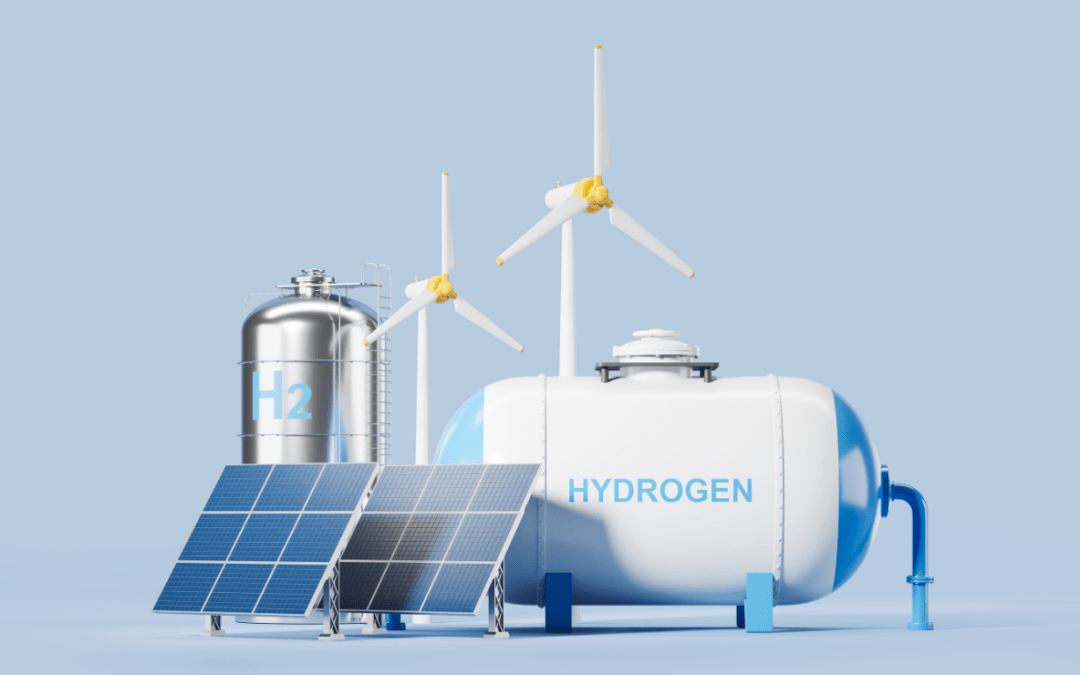
In Ordos, once a coal hub, solar projects are part of a broader energy shift integrating solar, wind, and green hydrogen production. These renewable sources feed into the grid or produce hydrogen, supporting the region’s clean energy and industrial sectors.
Despite challenges like harsh weather and maintenance demands, China’s solar projects are supported by significant government backing. The nation aims to peak carbon emissions by 2030 and achieve carbon neutrality by 2060, relying heavily on solar, wind, and hydrogen energy.
China’s renewable energy expansion has global implications. It solidifies its leadership in solar power and reduces its dependence on imported fossil fuels. The ongoing development of solar projects in regions like Kubuqi and Ordos marks a crucial step in the country’s energy transformation.
by Catie Owen | Sep 23, 2024 | Large Scale Utility Solar
India and the U.S. are partnering on a $1b initiative to strengthen India’s clean energy supply chain.
The funding, provided through the International Bank for Reconstruction and Development (IBRD), will focus on expanding the manufacturing of key green technologies such as solar panels, wind turbines, batteries, and energy-efficient products like air conditioners and ceiling fans.
This collaboration aims to accelerate the adoption of clean energy, create jobs, and help meet climate goals.
Both nations are enhancing technical, financial, and policy support to boost their capacity for producing and distributing clean energy technologies. In addition to working domestically, the U.S. and India plan to collaborate in other regions, particularly Africa, to support clean energy projects.
After discussions between Indian Prime Minister Narendra Modi and U.S. President Joe Biden at the QUAD summit, both governments agreed to work with industry leaders to identify immediate investment opportunities.
These efforts will focus on increasing production in areas such as solar wafer production, advanced solar cells, wind turbine parts, and energy storage solutions. There is also a focus on partnering with the private sector for projects, including initiatives in Africa.
One key element of the agreement is a plan to work with African countries on clean energy development, particularly solar power and battery storage technologies.
India and the U.S. will collaborate with local manufacturers and governments to implement these projects.
The U.S. International Development Finance Corporation (DFC) and the U.S. Agency for International Development (USAID) will work alongside India’s International Solar Alliance. Through this partnership, they will set up solar power and electric vehicle (EV) charging stations near healthcare centres in Africa, improving energy access and public health.
This partnership reflects the joint efforts of India and the U.S. to drive global clean energy transitions, with Africa seen as a key region for future investment.
by Catie Owen | Sep 12, 2024 | Large Scale Utility Solar
Italian green energy company Enel has been considering exiting Vietnam’s energy market, according to sources discussing the matter with Reuters.
In 2022, the company explained its plans to invest in Vietnamese renewable plants that generate up to 6GW. Enel specifically noted the country’s solar and wind markets but did not indicate whether it would be specialising.
Further information
According to Reuters’ sources, Enel’s choice is part of its company-wide reorganisation – with a strategic planning presentation planned for November. Despite this, Enel has not indicated whether an official announcement of the exit from Vietnam will be announced.
Both the utility company and the Vietnam industry ministry declined to comment to Reuters.
Background
Enel is owned by the Italian government and is one of the largest investors in green energy internationally. However, new leadership has seen the company steer towards Italy’s grid infrastructure.
Enel states that it currently has over 1,300 plants totalling 64GW of renewable capacity via its renewables arm, Enel Green Power.
Reuters explains that, as Vietnam is reliant on investment into renewable energy sources to enable its shift away from coal, Enel’s exit could cause issues for Vietnam’s solar and wind industry.
This is not the first European renewable company to exit Vietnam’s market. Danish company Orsted Norway’s Equinor have both paused or cancelled its investments in Vietnam’s solar and renewables industry.
by Catie Owen | Sep 2, 2024 | Large Scale Utility Solar, Storage
Reliance Industries, an Indian multinational conglomerate, is set to open solar and battery storage production facilities by the end of 2024 and 2025.
Chairman and Managing Director Mukesh Ambani announced at the company’s 47th AGM in Mumbai that solar PV module production will begin by year-end, while the battery gigafactory will commence operations in the second half of next year.
Ambani highlighted these developments as part of Reliance’s broader strategy to advance in deep-tech sectors and advanced manufacturing, contributing to a developed India (Viksit Bharat).
Known primarily for its oil and gas ventures, Reliance has diversified into various sectors, including telecoms, financial services, and renewable energy.
Reliance’s New Energy subsidiary is constructing a $7.2bn green energy manufacturing complex in Jamnagar, Gujarat. This site will include solar PV, battery storage, electrolysers, and semiconductor production facilities, along with an R&D centre.
The company acquired REC Silicon in 2021, leveraging its technology for integrated solar production. The initial 10GW production capacity is expected to come online in 2024. Ambani confirmed that the facility will produce heterojunction PV modules with efficiency exceeding 26% by the end of this year.
“Our gigafactory is designed for modular expansion at minimal cost and in the shortest time possible,” said Ambani.
Battery production will begin in Jamnagar next year with a 30GWh capacity, initially focusing on BESS and battery packs for various markets.
“Progressively, over the next few quarters, we will integrate backward to cell manufacturing and eventually to battery chemicals production,” Ambani stated, aiming to create “the world’s only fully integrated battery gigafactory.”
Reliance has also invested in companies like LithiumWerks and UK-based Faradion, and is looking to expand its battery portfolio further.
by Catie Owen | Aug 27, 2024 | Commercial & Industrial Solar
EDP Renewables (EDPR) has announced its long-term contract with Microsoft, wherein the technology company will purchase all the renewable power EDPR exports to the grid through its SolarNova 8 project.
The collaboration between the two companies is their second signed agreement in Singapore, with a relationship dating back to 2018, which contributed to Microsoft’s aim of achieving 100% renewable energy.
Adrian Anderson, GM, Renewables, Carbon-Free Energy, Microsoft, comments: “Microsoft appreciates the global relationship that we’ve built with EDPR, enabling our companies to drive grid decarbonisation efforts in Singapore, the US and Europe.
“Building our renewable energy portfolio with EDPR ensures that we can continue to secure renewable energy supply to meet our Microsoft’s ambitious renewable energy and decarbonisation goals.”
EDPR was awarded Phase 8 of the SolarNova program in 2018, which involves installing up to 100MPw of capacity across over 1,000 public housing buildings in Singapore and 100 government-owned buildings.
This is the largest solar project in Singapore and SolarNova’s largest project, which is additionally a Whole-of-Government initiative run by the Economic Development Board (EDB).
Through projects such as these, the city-state aims to increase its deployment of PV panels – minding demand from the public sector for panels across “HDB blocks and government sites”.
Miguel Stilwell d’Andrade, CEO of EDP and EDPR, says: “We are strengthening EDP’s global collaboration with Microsoft through this project and together we are taking a step towards achieving Singapore’s sustainability goals of at least 2GW peak of solar energy by 2030.
“Contracting with Microsoft is a catalyst for accelerating the energy transition and to continue investing in the region.”
by Catie Owen | Aug 15, 2024 | Commercial & Industrial Solar, Storage
The Philippines Board of Investments (BOI) has granted a “green lane certificate” for a solar and storage project set to be the world’s largest.
This certificate will help facilitate quicker construction of the Terra Solar project, which plans to combine 3,500MW of solar PV with a BESS of 4,500MWh. As such, the completion of phase 1 is targeted for February 2025, but the expected size at this date has not been released.
Phase 2’s completion is set for 2026.
Further details
Terra Solar’s site will be located in the Bulacan and Nueva Ecija provinces, over 3,500 hectares of land, and cost USD$3.2bn – earning it the reputation of the world’s largest joint solar and storage project by capacity.’
The project has also received a Certificate of Energy Project of National Significance (CEPNS), awarded to any project in the Philippines worth over USD$59m.
The BOI has approved several other renewable energy initiatives, such as PHP263m worth of rooftop solar projects, a PHP114.7bn offshore wind projects, and a PHP297bn hydroelectric power project.
Terra Solar is under the stewardship of independent power producer (IPP) Terra Solar Philippines, co-owned by utility company Manila Electric Company (Meralco) and SP New Energy Corporation.
Emmanuel Rubio, Mearlco subsidiary MGen president and CEO, collected the certificate.
Solar & Storage Live Philippines will take place in Manila in 2025. Don’t miss out on your chance to exhibit – register here.
by Catie Owen | Jul 1, 2024 | Large Scale Utility Solar
Google and BlackRock have announced a new partnership focused on clean energy in Taiwan.
Google will invest in New Green Power (NGP), a solar developer and BlackRock portfolio company, and source renewable energy from NGP’s solar projects to power its regional data centres and facilities.
Taiwan currently generates nearly 85% of its electricity from fossil fuels and aims to achieve 20GW of solar capacity by 2025 and 80 GW by 2050 to meet its net-zero targets.
The partnership
New Green Power designs, develops and manages utility-scale solar projects in Taiwan. Google’s investment will provide development capital for NGP’s 1GW pipeline of new solar projects.
Ross Mackey, Portfolio Manager, Climate Infrastructure, BlackRock, commented: “This is a pivotal moment for energy infrastructure in Taiwan.
“BlackRock’s Climate Infrastructure business is a leading investor in Taiwan’s solar industry, and we are delighted to partner with Google to provide a scalable and sustainable energy solution for their operations in Taiwan.”
The new partnership expects Google to procure up to 300MW of solar energy from NGP’s new project pipeline. It may also offer its semiconductor suppliers and manufacturers clean energy capacity, helping meet its clean energy goals and address Scope 3 supply chain emissions.
Carbon-free ambition
In 2020, Google’s parent company Alphabet announced a 24/7 Carbon-Free Energy (CFE) ambition, aiming to run its entire business on carbon-free energy by 2030.
This means matching electricity demand with CFE supply every hour of every day in every region where the company operates. This new partnership follows Google’s first renewable energy purchase deal in Japan, announced in May.
Amanda Peterson Corio, Global Head of Data Centre Energy at Google, said: “We’re aiming to reach net-zero emissions across our operations and value chain, supported by a goal to run on 24/7 carbon-free energy everywhere we operate.”
David Giordano, Global Head of Climate Infrastructure at BlackRock, added, “As we witness growth in demand for digital services, powered by AI and data-centric technologies, it becomes imperative to invest in infrastructure that supports this growth and aligns with our strategy to invest in clean energy.
“This partnership is a testament to our shared commitment to driving the transition to a low-carbon economy.”
by Catie Owen | May 23, 2024 | Large Scale Utility Solar, Storage
The Asian Development Bank (ADB) and Abu Dhabi Future Energy Company PJSC (Masdar) have signed a $46.5m loan for constructing a greenfield solar power plant and battery energy storage system (BESS) in the Bukhara region of Uzbekistan.
The Nur Bukhara plant will be Central Asia’s first renewable power facility with utility-scale battery storage.
Uzbekistan’s rising demand for energy due to its economy and growing population has led the government to set a goal of increasing renewable energy generation by up to 25GW – 40% of the country’s overall electricity consumption – by 2030. The new facility fits within the government’s plans.
A further $26.5m was secured from the Japan International Cooperation Agency (JICA). Has also been agreed by the International Finance Corporation, the Canada–IFC Blended Climate Finance Program, and the Dutch Entrepreneurial Development Bank.
The plant will have a capacity of 250MW and store 126MWh of energy. Additionally, it will include a 20kV substation and a 3.1km transmission line to connect to the grid. 555GWh of clean energy is expected to be delivered by the plant yearly, which will provide power for over 55,000 households.
BESS will reduce the occurrence of grid instability and provide the ability to integrate intermittent solar resources. Power generated at the Nur Bukhara facility will only be sold to the National Electric Grid of Uzbekistan.
Masdar’s Director of Corporate Finance and Treasury, Bruce Johnson, commented: “Masdar is proud to be a key partner in Uzbekistan’s clean energy journey. We are strong supporters of the country’s ambitious renewable energy targets, alongside key partners including ADB.
Projects like Nur Bukhara will enhance the affordability and accessibility of reliable, clean energy for all Uzbek citizens and drive private sector growth.”
[Image credit: The Asian Infrastructure Investment Bank (AIIB)]
by Catie Owen | May 21, 2024 | Everything Installer, Large Scale Utility Solar
It has been reported that, as stated in a recent address to the International Monetary Fund (IMF), Pakistan’s government intends to change the financial model of metering for solar panels.
The described change is a transition from net to gross metering for rooftop solar panels, sparking concerns for the accessibility of solar energy in the country – a potential detriment to the uptake of solar.
On the gross metering system, consumers would need to sell electricity generated by their panels to the grid at a Feed-in-Tariff (FiT) for 11 rupees. They would then ‘buy back’ their electricity consumed at retail prices of up to 62 rupees.
On the net system the electricity generated and consumed is measured, encouraging consumers to rely less on grid electricity. As grid electricity is expensive in Pakistan, this system made solar energy a financially viable option for consumers and therefore a sound budgetary decision for households.
It was also reported that the government would purchase electricity from the owners of rooftop panels at a price decided by the Central Power Purchasing Agency (CPPA).
The move has drawn widespread criticism from media outlets concerned that the government is halting its progress towards clean energy.
A misunderstanding
However, the Federal Minister for Energy, Awais Ahmad Khan Leghari, clarified that the reports were false – speaking at a press conference at the Lahore Electric Supply Company HQ.
Speaking to Geo Pakistan, Leghari clarified that the IMF had not requested a transition from net to gross metering, reinstating the government’s commitment to renewable energy:
“We will continue encouraging the net metering since it is the scheme close to the heart of PM Shahbaz Sharif.
“The number of total net metering connections has reached 113,000.”
Leghari added that a future policy change would be made after input from the shareholders and that solar panel owners currently on a net-metering system will “not be affected at all” at this moment in time.
by Regan Slaymaker | Apr 11, 2024 | Large Scale Utility Solar
South Korea to build World largest floating solar facility in 2024
Levelized cost of electricity (LCOE) has registered a significant decline in the Asia Pacific region, registering a record low in 2023. The decline has led to renewable energy generation becoming more competitive with conventional energy sources (i.e. coal). Cost of Utility based Solar PV has decreased to such an extent, it is now the cheapest power source in the region. Currently, renewable energy sources are now 13% cheaper than coal. This is then expected to rise to 32% by 2030.
China is currently the leading power in lowering the cost of renewables. Utility PV, Onshore Wind, and Offshore Wind is between 40-70% cheaper in China compared to other Asian markets.
Solar PV remains the dominant technology in the renewable transition. In 2023, Solar PV cost decreased by 23%. The decline in price has led to Utility Scale PV becoming the cheapest power source in multiple countries. This will have a domino effect with the cost of new build solar projects expected to decline a further 20% by 2030. Overall, Utility Solar PV has dropped by an average of 23% across the Asia Pacific region in 2023; ultimately driven by a 29% decline in capital cost. Distributed solar’s decrease is even greater, registering a 26% decrease in 2023 which is now 12% cheaper than average residential sources.
The continuous decline has led to Solar’s price reaching an historic low in the Asia Pacific region in 2023. With prices in fossil fuels rising by 12% and Wind power being 38% higher than solar, solar power remains the most appealing form of electricity generation in the Asia Pacific region.
(Image Credit: Open Access Government)
For more interviews from Solar&StorageXtra and to keep up to date with all NEW content, subscribe to the Solar&StorageXtra YouTube channel and Newsletter!
To enquire about interviews, submit news and press releases please contact our Editor, Regan Slaymaker, regan.slaymaker@terrapinn.com.For sponsorship and exhibition enquires please contact Bastiaan van der Heijden, bastiaan.heijden@terrapinn.com.
by Regan Slaymaker | Feb 14, 2024 | Commercial & Industrial Solar
(Image credit: Solarfeed)
Philippines based solar energy company Upgrade Energy Philippines (UGEP) have started 2024 by setting an ambitious solar target.
Through rooftop and ground mounted solar installations for Commercial and Industrial (C&I) customers, UGEP aim to reach 700MW of solar generation by 2028.
Acting as the engineering, procurement and construction (EPC) contractor, UGEP have successfully completed the largest consumer driven rooftop solar installation in the Philippines; a 11.811MW project for the Merbau Cooperation.
The project is a joint venture with electrical power company Abolitz Power and plans to offer zero up-front costs on Solar solutions for C&I customers to expand into utility scale wind farm development and battery energy storage solutions.