by Regan Slaymaker | Feb 2, 2024 | Large Scale Utility Solar
Over 2023, a lot of consumers in South Africa took energy security into their own hands.
Despite having the third largest economy in the world, rolling blackouts since 2007 have caused a lack of energy security across the country.
Frequent breakdowns and unplanned outages have significantly reduced the electricity available on the grid.
South Africa’s national utility, Eksom, have survived through a series of state bailouts and the Just Energy Transition Partnership.
Through this partnership, advanced economies across the world were set to provide around $8,500,000,000 to support the decarbonisation of South Africa’s failing power sector.
This is a step in the right direction but the development of solar is too slow.
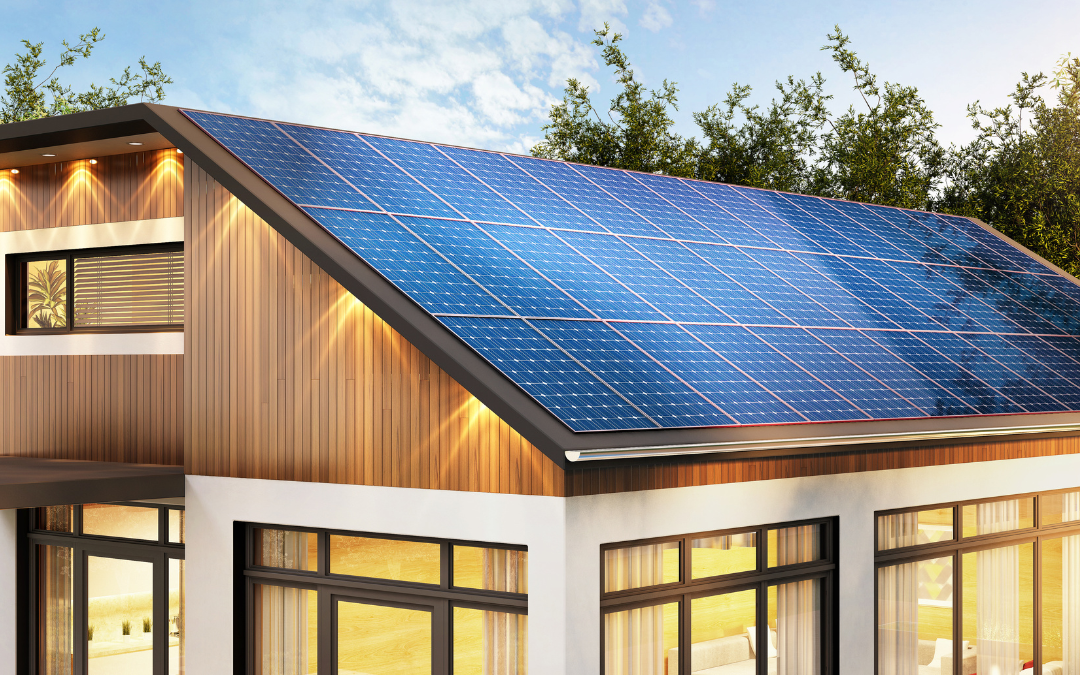
The South African population have taken electricity matters into their own hands to such an extent a nationwide solar rooftop boom is anticipated.
In the first quarter of 2023 alone, South Africa imported five times as many batteries than the whole of 2022.
In total, South Africa’s installed rooftop solar capacity increased from 983megawatts (MW) in the March of 2022 to 4412MW in June 2023.
Registering a 349% increase in less than a year.
The rooftop solar boom has increased energy security for consumers across South Africa.
The government in South Africa is actively encouraging the uptake of rooftop solar with new consumer led policies.
Consumers are now able to claim up to a 25% rebate on new solar panel installations on homes. The offer is available between the 1st of March 2023 and the 29th of February 2024.
Over time, the roof top solar boom will contribute to a full decarbonisation of South Africa’s electricity grid.
by Regan Slaymaker | Jan 31, 2024 | Large Scale Utility Solar
On Wednesday, the Biden Administration announced some potential revisions to the USA’s solar development plan.
The revisions include new projects that will power half a million households in Arizona and surrounding states.
The goal for these revisions is to fully decarbonise the nation’s electricity grid by 2035.
The Bureau of Land Management have revisited the 2012 solar plan to create solar development zones in Idaho, Montana, Oregon, Washington and Wyoming.
In addition to this, the revisions will plan to build on solar development zones already planned or created in Arizona, California, Colorado, New Mexico and Utah.
In total, the plans are set to encourage solar development on 22million acres of land that is within 10miles of transmission lines.
So far, 47 clean energy projects have been established and are generating 11,236megawatts (MW) of electricity. This is enough electricity to power 3.5million homes.
The revisions have updated the total progression on projects located in the south-west.
Currently, the projects will add 17,000MW of solar and 13,000MW of battery storage on to the electricity grid.
In Arizona, the White Wing Ranch solar installation project and the Harquahala Valley Sunrise transmission project will end up generating enough power for 100,000 homes.
Overall, the Biden Administration have solidified their position on increasing solar generation in the USA.
by Regan Slaymaker | Jan 30, 2024 | Large Scale Utility Solar
(Image credit: The National News)
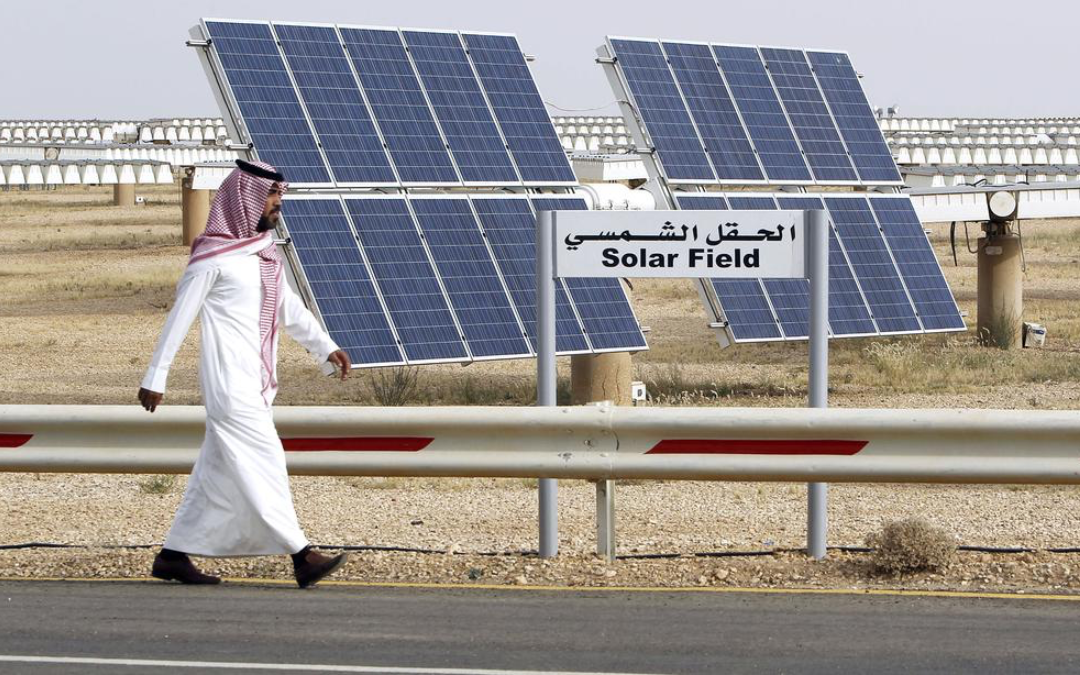
The Middle East is successfully transitioning away from a fossil fuel heavy electricity system to one based off renewable generation.
Clean energy capacity in the Middle East has doubled between 2010 and 2020 to 40GW, it is now forecast to double to 80GW by 2024.
The UAE is considered the industry leader when it comes to renewable energy generation.
A scale up of solar, wind, biomass and low-carbon hydrogen technologies have led the country to set a clean energy input target of 50% by 2050.
The Mohammad bin Rashid al Maktoum Solar Park is a key project that will assist the nation in reaching this goal. Operational since 2013, and soon to be the World’s largest single-site solar farm, the project is expected to reach 5GW by 2030.
This is enough electricity to power 320,000 homes and create 1280 energy sector jobs.
Saudi Arabia are targeting an energy from renewable sources to make up 50% of the energy by 2030. Solar farms are set to be the driving force of this target.
The Neom megacity in Saudi Arabia is currently under construction where the entire city will be powered by solar and other renewable technologies like wind power.
Saudi Arabia’s first wind farm, and the largest in the Middle East, began construction in 2019. The Dumat al-Jandal wind farm will be connected to the grid in 2030 and is expected to have an energy capacity of 400MW and create over 1000 jobs.
Overall, the Middle East has transitioned from an electricity supply of 98% fossil fuels to one soon to be dominated by renewable generation.
A combination of appropriate legislation, large scale projects and a shift in other countries position on net zero have influenced this change. So much so, solar power is set to account for 15% of the Middle East’s power mix by 2030.
For more interviews from Solar&StorageXtra and to keep up to date with all NEW content, subscribe to the Solar&StorageXtra YouTube channel and Newsletter!
To enquire about interviews, submit news and press releases please contact our Editor, Regan Slaymaker, regan.slaymaker@terrapinn.com.
For sponsorship and exhibition enquires please contact Tom Moon, tom.moon@terrapinn.com.
by Regan Slaymaker | Jan 24, 2024 | Commercial & Industrial Solar
(Image credit: Nguyeg Quang Ngọc Tonkin/Shutterstock)
According to a recent report by Global Energy Motor, solar and wind capacity in the Association of Southeast Asian Nation (ASEAN) region has increased by 20% to 28gw.
Solar and wind technologies now make up 9% of the total electricity generated across the countries.
Over the next two years, an extra 17gw worth of utility-scale wind and solar projects could be constructed if energy targets are kept to.
ASEAN regions are actually set to smash this target with 23gw expected to be constructed.
Collectively, ASEAN nations have one of the fastest growing economies in the world.
Electricity demand continued to grow by 22% between 2015 and 2021, which could either provide a massive opportunity for wind and solar or increase the use of fossil fuels.
The major successes around increasing renewable capacity have come from solar and wind technologies.
ASEAN nations have added 3% of solar capacity, increasing total solar capacity by 17% from 2022 levels.
Wind had a larger comparative rise, increasing by 29% from January 2023.
At its current stage, there are 222gw of utility-scale wind and solar projects in pre-construction or construction stage in the region.
Over 185gw of the projects are located in the Philippians Philippines and Vietnam, with both countries making up 80% of the total growth of wind and solar.
Vietnam is leading ASEAN nations in utility-scale solar and wind capacity.
Supportive environmental policy and a series of investment policies have contributed to this change since 2017.
12gw of utility-scale solar capacity has been added between 2019 and 2021.
57gw of planned offshore wind development is located in Vietnam with 72% of the nations 86% prospective capacity being generated from offshore wind.
Thailand registered the second highest utility-scale solar and wind capacity in the ASEAN region. The country has an operational capacity of 3gw and the second largest economy after Indonesia.
Limited barriers to investment have allowed the solar and wind industries to boom in the region.
The Philippines also registered an operational capacity of 3gw but are third in utility-scale solar and wind capacity in the region. Three quarters of their operational utility-scale capacity comes from solar power.
Their ‘Green Energy Auction Programme (GEAP)’ has helped facilitate the development of more than 116gw of renewable energy.
In March 2023, there were 300bids to develop 3gw of solar, onshore wind and bio energy.
Capacity did fall short of its target but a 75% increase from 2022’s auction did occur, showing a clear increase in interest for renewable generation.
52% of the Philippines’ total utility scale renewable capacity is from offshore wind, 5x more than onshore.
In addition to this, an executive order was issued in April 2023 that outlined the cooperation between private investors and government on the development of offshore wind.
Current contracts represent 61gw of capacity with planned projects in development equalling 52gw.
Laos is aiming for a huge rise in utility-scale solar and wind projects. Current development in the region has surpassed Malaysia by 150% with an economy that is 30x smaller.
Laos is set to build the regions largest onshore wind farm and is set to generate 600mw when completed.
ASEAN nations have showed a lot of success but the region only has approximately 6.3gw of solar and wind projects currently under construction.
A lack of policies in Vietnam have led to only 2% of projects being built and 40gw of solar and wind project to potentially be stalled.
To tackle this, Vietnam have developed the ‘just energy transition partnership’, the National Electrical Development plan (2021-2050) and the Power Development Plan 8 to action and speed up renewable deployment.
On the positive side, ASEAN nations are set to hit their 35% of renewable generation capacity target by 2025, already registering 32% capacity.
Only 17gw of new renewable capacity will need to be built by the deadline.
by Regan Slaymaker | Jan 22, 2024 | Commercial & Industrial Solar
As with all rooftops, various creatures can create a home on top of yours.
Whilst this can be an annoyance, animals nesting on your rooftop can rarely cause damage to you or your home.
However, as solar PV installations increase, wildlife nesting on your rooftop in and around your panels could cause damage to yourself and your property.
Overall, wildlife nesting in and around Solar PV can decrease the system’s efficiency.
Natural movement of birds can loosen wiring connections to Solar PV. Squirrels are also known for biting into electricity cables.
Nesting build-up can also interfere with panel ventilation.
The gaps between the roof and other panels act as ventilation to keep the electricity system cool. Nesting build-up can interfere with the ventilation system, heat up and cause an electrical fire. The nest will also, unfortunately, acts as kindling for the fire.
However, the largest problem facing Solar PV efficiency is not an obvious one… no guesses?
That’s right… bird poo.
Bird poo reportedly accounts for anywhere between 46.42% and 89.18% of efficiency lost in solar PV. When left to fester, it can cause permanent damage to the panel.
Lovely…
Ultimately, surrounding wildlife to your home can undo the hard work and precision taken by installers and, therefore, lead to expensive repairs.
What consumers need to do is address these potential issues before they occur.
Some of the solutions that can prevent damages caused by wildlife to your solar PV include:
- Kites and robotics in the shape of predator birds to scare away nesting wildlife.
- Installing audio components of high pitch frequencies to deter creatures.
- Putting up fencing or netting to prevent wildlife from returning to your roof.
These are just some of the solutions that can prevent your rooftop solar pv from becoming damaging or needing replacement.
For more interviews from Solar&StorageXtra and to keep up to date with all NEW content, subscribe to the Solar&StorageXtra YouTube channel and Newsletter!
To enquire about interviews, submit news and press releases please contact our Editor, Regan Slaymaker, regan.slaymaker@terrapinn.com.
For sponsorship and exhibition enquires please contact Tom Moon, tom.moon@terrapinn.com.
by Regan Slaymaker | Jan 18, 2024 | Everything Installer, Video
It was a pleasure to interview George Rawding, Communications Manager at GivEnergy, ahead of Solar and Storage Live London where GivEnergy are the title sponsor for the event!
Solar&StorageXtra is the new publishing part of the Solar and Storage Live event series where we will be interviewing our esteemed speakers, exhibitors, sponsors and attendees to get their live reactions to the event and the important discussions within the industry.
George joined Solar&StorageXtra to discuss GivEnergy’s participation at Solar and Storage Live, the potential barriers to installing battery storage systems and GivEnergy’s investment in the local community.
George explained that cost can be the main barrier to the installation of battery storage technology. The cost of living crisis has led to less consumers having the disposable income to install battery storage.
However, GivEnergy are able to keep costs of their products at a lower rate because they manufacture their own products.
Partnering with E.ON and Octopus EVs have allowed consumers a payback scheme to make the transition to a renewable energy system easier and more accessible.
GivEnergy also work with social housing projects so tenants can feel the benefits of renewable energy as standard with no additional cost to their rent.
For more interviews from Solar&StorageXtra and to keep up to date with all NEW content, subscribe to the Solar&StorageXtra YouTube channel and Newsletter!
Make sure to meet GivEnergy at Solar and Storage Live London, April 29-30 2024!
For more interviews from Solar&StorageXtra and to keep up to date with all NEW content, subscribe to the Solar&StorageXtra YouTube channel and Newsletter!
To enquire about interviews, submit news and press releases please contact our Editor, Regan Slaymaker, regan.slaymaker@terrapinn.com.
For sponsorship and exhibition enquires please contact Tom Moon, tom.moon@terrapinn.com.
by Regan Slaymaker | Jan 17, 2024 | Commercial & Industrial Solar, Innovation
Energy company EDF Renewables UK have begun to scale up its solar projects in 2024. The firm have confirmed four new solar projects to kickstart their solar campaign.
To begin 2024, the company was granted permission to construct a new 49.9mw solar farm on Tye Lane in Suffolk.
Construction of the farm is set to take between 6 and 9 months to complete with the local community set to receive a community benefit fund worth £20,000.
This will be used to support more social, environmental and community projects.
The latest project to be added to EDF’s solar portfolio is a 4mw purpose built solar farm to decarbonise the Macallan Single Malt Whiskey distillery in Craigallachie.
The project is unique, becoming Macallan’s first commercial and industrial solar project of its kind.
The distillery will integrate ground mounted solar panels, alongside EDF renewables to deliver 50% of Macallan’s peak output of electricity. This equals 30% of the site’s yearly electricity output.
Operations Director of Macallan, Rachel Walters, told Solar Power Portal:
“The introduction of solar panels at The Macallan Estate is the latest initiative designed to help us build a more sustainable future, complementing the distillery’s current biomass set up and will work in tandem with other projects to accelerate our net zero targets.”
The remaining two projects include the Longfield Solar farm in Essex and an undisclosed project in Buckinghamshire.
The Longfield Solar farm is an infrastructure-based project aiming to generate 350mw of electricity.
The project has received planning consent for June 2023.
EDF’s Buckinghamshire project has entered its consultation in late September and is currently seeking feedback on layout designs.
Like with the other projects, the project plans to include a recreational area to support the local community alongside electricity generation.
For more interviews from Solar&StorageXtra and to keep up to date with all NEW content, subscribe to the Solar&StorageXtra YouTube channel and Newsletter!
Our next event is Solar and Storage Live London, April 29-30 2024!
To enquire about interviews, submit news and press releases please contact our Editor, Regan Slaymaker, regan.slaymaker@terrapinn.com.
For sponsorship and exhibition enquires please contact Tom Moon, tom.moon@terrapinn.com.
by Regan Slaymaker | Jan 16, 2024 | Commercial & Industrial Solar, Everything Installer
(Image credit: INTILION Aktiengesellschaft)
At Solar and Storage Live in Birmingham in 2024 (September 24-26), Intilion will be exhibiting their innovative, modular and scalable energy storage solutions.
In December, Initllion commissioned one of Germany’s first co-location projects with Aquila Clean Energy EMEA, AQ Ampere and solar developer CEC Solar.
The Ammerland II solar park project combines solar technologies and Intilion’s battery storage solutions to achieve optimum electricity generation and efficiency.
The solar park in Lower Saxony has a production capacity of 8.2mwp and is also equipped with a 3.2mw battery storage system from Initllion with a storage capacity of 6.9mwh. The energy storage system makes it possible to store surplus electricity during periods of high solar power production and feed it into the grid at times of peak demand.
The Ammerland II project also contributes to increasing grid stability. By feeding in balancing energy, the electricity grid is stabilized even if there are deviations from forecast electricity consumption.
The energy storage facilities in Ammerland II are large enough to store the electricity requirements of around 7,000 households for 2 hours. The combined solar plant and energy storage park has been feeding electricity into the grid for more than a month, thus supporting local production capacities.
CEO of Initllion AG, Dr André Haubrock, discussed the successful completion of the co-location project in Lower Saxony:
“With the realization of this co-location project, we have completed a pioneering project that demonstrates how our energy storage systems can drive forward the energy transition. Until now, it has been common practice to build solar and wind farms without energy storage systems. As electricity generation from the sun and wind is irregular, there is often a time lag between electricity generation and consumption. In 2022 alone, more than 8 billion kwh of electricity was therefore curtailed due to grid bottlenecks. We are counteracting this with our energy storage systems. They are hugely important for making renewable energy available when it is needed. The project now in operation in Ammerland, Lower Saxony, demonstrates the vast potential of integrating solar parks with battery storage systems for an efficient and sustainable energy supply.”
About INTILION Aktiengesellschaft
TILION Aktiengesellschaft (“Initllion”) is a provider of innovative, modular and scalable energy storage solutions (ESS). The product and service portfolio are particularly suitable for system-relevant and critical infrastructures such as commercial, industrial and power grids.
The storage capacities of the company’s intelligent lithium-ion-based ESS products range from 70kwh to 100mwh. With its range of solutions and services, Initllion is a forerunner on the way to a decarbonised, flexible, and digital energy sector, enabling the transition towards climate-neutral, renewable and clean energy use.
Initllion’s customers include local, regional, and international utilities and energy distributors, as well as system distributors and engineering, pro-curement and construction (EPC) contractors within Europe. Initllion is headquartered in Paderborn, Germany, and belongs to the family owned HOPPECKE Group, with a heritage of more than 95 years of expertise and engineering excellence in batteries.
For more interviews from Solar&StorageXtra and to keep up to date with all NEW content, subscribe to the Solar&StorageXtra YouTube channel and Newsletter!
Our next event is Solar and Storage Live London, April 29-30 2024!
To enquire about interviews, submit news and press releases please contact our Editor, Regan Slaymaker, regan.slaymaker@terrapinn.com.
For sponsorship and exhibition enquires please contact Tom Moon, tom.moon@terrapinn.com.
by Regan Slaymaker | Jan 15, 2024 | Market Reports
(Source of information: Mordor Intelligence / Image credit: Enel Spa)
The first event of the Solar and Storage Live calendar in 2024 is Solar and Storage Live Africa in Johannesburg between 18-20 March 2024.
South Africa is experiencing a rise in the deployment of solar generation but the continued potential of solar in the country is particularly exciting.
South Africa receives sunshine for more than 2500 hours per year. Subsequently becoming a focal point for developing the solar market in Africa and the Middle East.
The current market size of solar is estimated at 6.68gw (in 2024) with this expected to increase to 11.03gw by 2029.
At its current rate, South Africa is expected to register a Compound Annual Growth Rate of 10.56% during the forecast period of 2024-2029.
Increased demand for clean energy generation is expected to stimulate market growth of South Africa’s solar energy market.
In order to increase Solar’s impact on the country, South Africa must reduce their reliance on fossil fuels. Only then will renewable energy experience a significant market growth.
Industry Action and Government Policy
The South African government have set an industry target of generating 18gw of renewable energy by 2030 with solar expected to make a significant proportion of this target.
The Renewable Energy Independent Power Producer Procurement Programme was established to help facilitate reaching this target.
This programme has successfully attracted investment and support with over 600mw worth of renewable energy projects being allocated to bidders. Most of these projects will be focused on wind and solar generation.
In 2022, South Africa also launched a 300mw renewable energy programme. The first round of funding focused on procuring independent power producer projects with capacity ranges between 5mw and 20mw. The second funding round focused on projects on over 20mw.
South Africa’s efforts to reduce its reliance on fossil fuels and increase market growth of renewables is moving in the right direction. However, South Africa is still the 7th largest coal producer in the world with coal-based thermal power plants accounting for 76% of electricity generation in 2021.
The Climate Commission of South Africa have set out to transition the country from a fossil fuel-based system to a renewable power system.
To do this, a deployment of 150gw of wind and solar capacity is needed by 2050. Registering an increase of 4gw per year.
According to the Blended Finance Taskforce and Slettenbrook University Centre for Sustainability Transitions, South Africa will need approximately $260billion over the next 3 decades to transform to a renewable energy system. This is 3% of South Africa’s annual gdp.
The deployment of Solar PV has become a significant focus for the energy industry in South Africa with solar PV segments expected to dominate the market. In 2022 total installed capacity is estimated at 5.826mw.
Since 2022, energy companies have pledged to commit to a significant increase in the deployment of solar.
Solar provider Solana Energy announced that households in South Africa imported over $120,648million worth of solar PV panels.
6 private renewable developers signed 20year PPAs with South African utility Eksom Holding to construct 13 solar PV plants. These plants will have a combined capacity of 957mw.
According to South Africa’s Photovoltaic Industry Association, once capacity is installed it will surpass over a decade worth of government action regarding Solar energy procurement.
Market Leaders in the South African Solar Market:
- Canadian Solar inc.
- IBC Solar AG.
- Segen Solar (pty) ltd.
- ART Solar (pty) ltd.
- Energy Partners Holding.
What is happening in South Africa?
Solar Capital has connected a 86mw solar PV plant to the grid in South Africa’s Northern Cape. This new solar farm will generate enough energy to provide thousands of homes and businesses in the region.
In 2023, South African construction company Concor announced it is expanding into solar power.
The project will provide an additional 5.74mw of solar power to the existing 1mw grid-tied plant adjacent to a shopping centre.
Projects like this align with the 2030 net zero targets arranged to reduce energy reliance on South Africa’s unreliable, fossil fuel heavy grid.
Conclusion
Overall, the South African solar market is registering increases in deployment and market growth. Government policies are in place and are contributing to the shift to a renewable energy system. However, industry specific bodies seem to be facilitating the majority of this change. South Africa must increase their efforts, at both industry and government level, to move away from their unreliable fossil fuel based system to a fully renewable electricity grid.
For more interviews from Solar&StorageXtra and to keep up to date with all NEW content, subscribe to the Solar&StorageXtra YouTube channel and Newsletter!
To enquire about interviews, submit news and press releases please contact our Editor, Regan Slaymaker, regan.slaymaker@terrapinn.com.For sponsorship and exhibition enquires please contact Sara Atwi, sara.atwi@terrapinn.com.
by Regan Slaymaker | Jan 10, 2024 | Innovation
At COP28 in Dubai, the ‘Global Renewable and Energy Efficiency’ pledge was signed by 118 countries in a commitment to trebling renewable energy capacity to 11tw.
The pledge places an emphasis on the importance of Solar PV and how this will be a key technology in achieving this target.
Solar’s continuous market growth and fast deployment statistics make it the most appropriate technology to help reach these targets.
According to the International Energy Agency, Solar could result in making up over half of the 11tw target.
The pledge includes a collective goal of keeping global warming below 2 degrees, with the main target to limit it to 1.5 degrees. Nations that have signed the agreement to recognise this target must accelerate the pace of renewable deployment between now and 2030.
In order to speed up deployment, an economy wide fossil fuel reduction must occur; assuring that oil, coal and gas demand does not rise.
Developments in grid connections are essential in speeding up deployment of renewables. Financial support in emerging markets are essential to developing and expanding grid corrections.
Once a project has provided clarity on market design and strengthened its market condition, financial support can be distributed into renewables and improve energy efficiency.
“In the next two years, we will invest 2.3 billion euros from the EU budget to support the energy transition in our neighbourhood and around the globe. This pledge and this financial support will create green jobs and sustainable growth by investing in technologies of the future. And, of course, it will reduce emissions which is the heart of our work at COP28.”
The pledge made by the 118 countries is a step in the right direction, but commitments are not policy.
by Regan Slaymaker | Jan 9, 2024 | Innovation, Large Scale Utility Solar
(Image credit: Iberdrola)
In 2023, Solar PVs total energy consumption registered 7% of the total electricity consumed from renewable generation.
Whilst this does not seem like a huge percentage, this 7% equalled a 43% increase (based off year-on-year levels) in Solar’s annual production in Portugal.
The Portuguese government has shown its commitment to increasing its National Energy and Climate Plan (NECP) and changing the target of installed capacity of Solar PV from 9gw by 2030 to 20.4gw by 2035.
The drastic increase in capacity targeted has been decided through improvements made in regulation.
To accelerate the deployment of Solar PV, the Portuguese Government have relaxed regulations on environmental assessments for projects of up to 100 hectares.
These changes lay the foundations for a huge increase in the Solar market in 2024.
The total of electricity consumed from renewable generation in Portugal reached 61% in 2023, the highest ever percentage on record according to the country’s grid operator Redes Energéticas Nacionais (REN).
Excluding Solar PV’s 7%, the remaining sources of generation included:
- Wind generation equalling 25%.
- Hydro power equalling 23%.
- Biomass equalling 6%.
With continuous changes in regulation and increases in deployment and installation, the Portuguese solar market has the potential to increase drastically in 2024.
For more interviews from Solar&StorageXtra and to keep up to date with all NEW content, subscribe to the Solar&StorageXtra YouTube channel and Newsletter!
Our next event is Solar and Storage Live London, April 29-30 2024!
To enquire about interviews, submit news and press releases please contact our Editor, Regan Slaymaker, regan.slaymaker@terrapinn.com.
For sponsorship and exhibition enquires please contact Tom Moon, tom.moon@terrapinn.com.
by Regan Slaymaker | Jan 8, 2024 | Innovation, Large Scale Utility Solar
Renewable energy research outlet Carbon Brief have published a document highlighting the reduction of electricity generated by fossil fuels in the UK.
In 2023, electricity generated by fossil fuels fell by 22% based on year-on-year figures. These are the lowest levels since 1957.
Electricity generated from fossil fuels has fallen by two thirds since its peak in 2008, reaching 104terawatt hours (twh) in 2023. Coal has dropped by 115twh and Gas by 80twh.
This reduction has been caused by the rapid expansion and deployment of renewable generation as well as lower electricity demand.
Renewable energy generation has exceeded 2008 levels by six times to 113twh, with demand for electricity decreasing by 21% by the same levels.
In 2023, fossil fuels contributed to only 33% of the UK’s electricity supply.
Electricity generated by gas made up 31% with coal and oil both only 1% each.
Electricity generated from low carbon sources made up 56% of the total, with electricity from renewables making up 43% and nuclear making up the remaining 13%.
Energy from imports and waste incineration completed the remaining percentage of the UK’s electricity generation.
There is still a long way to go for the UK government to reach its target of 95% low carbon electricity by 2030 and a fully decarbonised grid by 2035.
However, the UK is moving in the right direction.
Electricity demand has reduced in the UK because of more energy efficient appliances and lighting being installed. Increased gas prices have also decreased demand.
Overall, the decarbonisation of the UK’s electricity grid is moving in the right direction with more fossil fuel-based sources being removed from the grid each year. However, more renewable sources must be installed into the grid, and at pace, to reach net zero by 2035.
For more interviews from Solar&StorageXtra and to keep up to date with all NEW content, subscribe to the Solar&StorageXtra YouTube channel and Newsletter!
Our next event is Solar and Storage Live London, April 29-30 2024!
To enquire about interviews, submit news and press releases please contact our Editor, Regan Slaymaker, regan.slaymaker@terrapinn.com.
For sponsorship and exhibition enquires please contact Tom Moon, tom.moon@terrapinn.com.
by Regan Slaymaker | Jan 5, 2024 | Commercial & Industrial Solar, Innovation
(Image credit: Oxford PV)
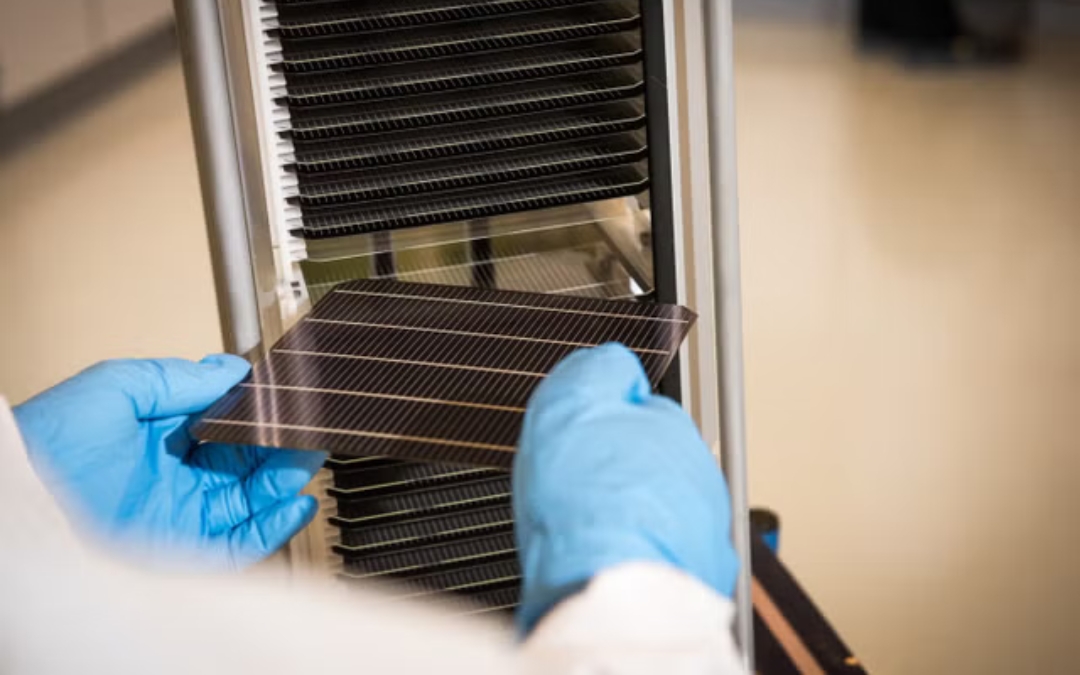
Chinese solar technology firm Longi have set a new world record of efficiency for a Silicon-Perovskite tandem solar cell.
Perovskite cells have also passed the theoretical efficiency limit of standard solar cells.
The revolutionary material has allowed the solar cells to reach 33.9% efficiency. Reaching this level of efficiency also broke the theoretical limit of 33.7% efficiency for the first time of a standard single junction cell, which are found in commercial solar panels.
The developments in cell technology have allowed more electricity to be generated from the same area of light as before.
Silicon (mono-si) and standard Perovskite solar cells registered 26.1% efficiency, significantly less than Perovskite-tandem cells.
Researchers at Nanjing University have explained that mass production of these cells are possible.
The researchers continued to explain that Solar panels using Perovskite-tandem cells will be 50% cheaper and 50% more efficient than traditional silicon cells.
Oxford PV, a UK based start-up, have begun commercialising the technology and are hopeful of beginning full scale production at their German facility later this year.
Chris Case the Chief Technology Officer of Oxford PV told The Independent:
“Current silicon solar panels have reached their physical limits. We’ve got a way to transform the efficiency of these solar cells with perovskite… The biggest challenge by far is durability and reliability. We already have great efficiency – much greater than current silicon cells – so most of our research and development is spent enhancing reliability, not efficiency.”
The revolutionary material has started being used in the creation of other renewable technologies; these include:
- Self-healing solar panels.
- These panels maintain efficiency levels for tens to hundreds of years.
- Double sided solar panels.
- Building integrated solar panels.
- Spaced based electricity generation.
For more interviews from Solar&StorageXtra and to keep up to date with all NEW content, subscribe to the Solar&StorageXtra YouTube channel and Newsletter!
Our next event is Solar and Storage Live London, April 29-30 2024!
To enquire about interviews, submit news and press releases please contact our Editor, Regan Slaymaker, regan.slaymaker@terrapinn.com.
For sponsorship and exhibition enquires please contact Tom Moon, tom.moon@terrapinn.com.
by Regan Slaymaker | Jan 4, 2024 | Commercial & Industrial Solar, Everything Installer, Innovation, Large Scale Utility Solar, Storage
In 2023, Solar and Storage Live in Birmingham had its most successful year registering over 15,000 attendees, 400 exhibitors and 400 speakers. Due to the events success, the Solar and Storage Live event series is expanding with a total of 4 events in 2024.
Here is what is to come for Solar and Storage Live in 2024…
Solar and Storage Live London at the ExCel Centre, April 29-30
Solar and Storage Live London is heading to the ExCel Centre in London on the 29th and 30th of April this year!
Solar and Storage Live’s first event of the year will bring over 150 exhibitors, 250 speakers and 8000 attendees to the ExCel in April.
Our free to attend exhibition and conference brings together all the key players in the solar, storage and renewable energy space. Key participants include Solar Energy UK, MCS, POWERful Women and, our title sponsor, GivEnergy!
At our Birmingham event in 2023, Solar Energy UK launched The Recruitment Zone; a purpose-built stage attracting new job candidates into the solar and storage industries. We are delighted to announce that that this initiative will be returning in London.
With the demand for Solar generation increasing, initiatives like the Recruitment Zone are going to help the Solar industry keep up with the rising demand!
Solar and Storage Live Zurich at the Messe, September 17-18
Solar and Storage Live in Zurich will be our first international event of the year between the 17th and 18th of September.
The reason for the Solar and Storage Live expansion into Switzerland is because the Swiss solar market has shown a significant growth in previous years.
Demand for electricity generated by renewable sources is at an all-time high. Growing concerns around rising carbon emissions have caused the Swiss Government to launch multiple policies regarding the development and deployment of renewable projects in Switzerland.
At its current rate, the Swiss Solar market is expected to register a Compound Annual Growth Rate of 5.1%. A range of policies and objectives have been put into place by the Swiss Government to ensure that this growth continues.
Solar and Storage Live in Zurich is expected to support for the growth of the Swiss Solar market and is expecting over 5000 attendees, 150 exhibitors, 250 speakers and 100 start-ups over the 2 days in September!
Solar and Storage Live Birmingham at the NEC, September 24-26
Our flagship event returns in 2024 between the 24th and 26th of September!
As mentioned, Solar and Storage Live Birmingham reached record numbers in 2023 and 2024 aims to be even bigger.
The exhibition space for the event has doubled in size from 2023, allowing even more of the Solar industry to attend, network and complete negotiations.
Solar Energy UK, GivEnergy, and Aiko Solar are just some of the key sponsors already signed up for this year’s Birmingham event!
Solar and Storage Live Barcelona at the Fira De Montjuic, November 13-14
Similarly to the Swiss solar market, the Spanish solar market is heading for an enormous growth with the region expected to benefit from a huge amount of renewable generation.
In 2021, the International Renewable Energy Agency (IRENA) found that renewable electricity accounted for 61.517mw in Spain, 25.9% of this was from solar PVs.
The potential for Solar energy’s success in Spain is limitless and Solar and Storage Live would like to be a part of and support its growth. In November, Solar and Storage Live Barcelona will be expecting over 8000 attendees, 150 exhibitors, 250 speakers and 100 start-ups over the 2 days in November!
by Regan Slaymaker | Jan 3, 2024 | Innovation, Large Scale Utility Solar
After 10years of international collaboration and 5years of construction, the world’s largest subsea and land interconnector between the UK and Denmark has been turned on.
This is the world’s longest interconnector.
National Grid and Energinet’s electricity link stretches a record breaking 475miles (764km) between Bicker Fen in Lincolnshire and its reverting substation in the Southern Jutland area of Denmark.
When the Viking Link is at full capacity it will enable the sharing of enough clean energy to power 2.5million homes in the UK.
The link is also expected to save more than 600,000 tonnes of carbon emissions, the equivalent of taking 280,000 cars off the road.
UK consumers will receive benefits of over £500million in the first 10years by importing cheaper electricity.
Denmark has the highest proportion of electricity generated by wind in the world, the UK collaborating with Denmark will help meet its 2050 Net Zero emissions target.
The link will also strengthen the UK’s energy security as it connects the UK to a broader and more diverse source of energy. Interconnectors play a vital role in this around the world.
Key stakeholders in the Viking Link’s construction include:
- National Grid
- Energinet
- Siemans Energy
- Prysmian Group
- Balfour Beaty
- NKT
- Monck
For more interviews from Solar&StorageXtra and to keep up to date with all NEW content, subscribe to the Solar&StorageXtra YouTube channel and Newsletter!
Our next event is Solar and Storage Live London, April 29-30 2024!
To enquire about interviews, submit news and press releases please contact our Editor, Regan Slaymaker, regan.slaymaker@terrapinn.com.
For sponsorship and exhibition enquires please contact Tom Moon, tom.moon@terrapinn.com.
by Regan Slaymaker | Jan 2, 2024 | Large Scale Utility Solar
EDF Renewables UK have received approval to build a 49.9MW solar farm on Tye Lane in Suffolk.
After an ‘extensive consultation’ between the developer and the Mid Suffolk District Council planning committee, approval was granted in December 2023 for the Tye Lane solar farm.
The solar farm will be connected to the UK electricity grid via the Bradford substation.
EDF Renewables confirmed the project will create a community benefit fund worth £20,000 which will be paid every year throughout the project’s 35year lifetime. The community benefit fund will help support more social, environmental and community projects.
Construction of the Tye Lane solar farm will begin later this year and will take between 6-9months to complete.
Darren Cuming, Head of Development at EDF Renewables UK, revealed that EDF Renewables are “very pleased” to be granted planning permission for the Tye Lane solar farm.
“In addition to the community fund, we also plan to deliver other benefits as part of the project; we will plant extensive species-rich wild flower and grass margins to enhance local biodiversity, provide further woodland blocks, new hedgerows, and install bird and bat boxes.”
For more interviews from Solar&StorageXtra and to keep up to date with all NEW content, subscribe to the Solar&StorageXtra YouTube channel and Newsletter!
Our next event is Solar and Storage Live London, April 29-30 2024!
To enquire about interviews, submit news and press releases please contact our Editor, Regan Slaymaker, regan.slaymaker@terrapinn.com.
For sponsorship and exhibition enquires please contact Tom Moon, tom.moon@terrapinn.com.
by Regan Slaymaker | Jan 2, 2024 | Innovation
The RePower Ukraine Charitable Foundation has initiated the ground breaking initiative “Solar Start: an educational course for veterans and IDPs.” Its primary objective is to equip Ukrainian veterans and internally displaced persons (IDPs) with the essential skills to embark on careers in the renewable energy sector, specifically focusing on the design and construction of PV plants.
This course is designed for war veterans and individuals who have been displaced as a result of the Russian aggressive invasion in Ukraine on February 24, 2022. These individuals have endured significant suffering due to the horrors of war and are now actively seeking opportunities to rebuild their lives and start anew.
The Repower Ukraine Charitable Foundation initiated this project within the “Support to Civil Society Organizations (CSOs)” Program, generously supported by the British Embassy in Ukraine. The educational course is designed to be inclusive and welcoming for individuals with various needs, including those with concussions or amputations. The goal is to provide a comfortable and successful learning experience for all.
Within the project, all participants not only acquire new skills in green energy but also receive psychological support. Sessions with psychologists help people overcome the challenges of the learning process and adapt to their experiences and new lives. Additionally, remote learning allows participants to gain new knowledge and skills without leaving their jobs or responsibilities for their children and loved ones.
All participants have unique and challenging life stories, but they share an incredible strength of will and a desire to contribute to Ukraine’s victory and recovery. Today, we would like to share the story of Oleksandr Donchuk, a veteran residing in Berdychiv, Zhytomyr Region.
Oleksandr served in a combat unit, where he faced the most challenging trials, and was discharged due to health reasons. Afterward, he decided to redirect his efforts toward civilian endeavors.
Oleksandr shared his story: “I served in a combat unit, which meant direct contact with the enemy. I saw a lot of human experiences, fear, and more. War brings nothing useful to the world; it only destroys everything, and Ukraine will need to rebuild. Someone will have to do that in the future.”
Despite lacking prior experience in green energy, Oleksandr enrolled in the “Solar Start” educational course. His determination and hard work led to remarkable success on this path. Oleksandr understands that solar energy is not just an economic sector but also an opportunity for Ukraine to become more environmentally friendly and less reliant on imported energy resources.
“We realized back then that, given the number of destroyed cities in Donetsk, Luhansk, and other regions, they would need to be rebuilt anyway. And a field like green energy can be very helpful in this regard. When we were stationed in Kherson, we saw many solar panels on the roofs of farms. During frequent power outages, thanks to solar panels, we could charge our radios and power banks, which allowed our unit to stay connected. Solar energy is such a powerful alternative that doesn’t require significant financial investments,” Oleksandr explains.
Oleksandr, along with the other participants of the “Solar Start” educational course, serves as an example of how one can change their life, even in the most challenging circumstances.
“I absolutely appreciate the organization of the learning process in this course and the high quality of educational materials. The structured and logical approach to teaching stands out. All topics and materials are presented sequentially, making it easier to understand and absorb the information. Instructors use interesting examples and practical exercises, making the learning process more effective and engaging. For me, this is not just gaining knowledge but also an opportunity to develop skills and expand career horizons. I’m grateful to the RePower Ukraine Charitable Foundation for the opportunity to participate in this educational project and acquire new knowledge,” adds Oleksandr.
We believe in our participants, in their strength of will, determination, and potential to achieve great results. We wish them all inspiration and great success on this journey. May our collective efforts benefit Ukraine and lead to a sustainable green future.
The RePower Ukraine Charitable Foundation expresses its deepest gratitude to esteemed donors and partners, particularly the “Support to Civil Society Organizations (CSOs)” Program in Ukraine, which is implemented with financial support from the British Embassy, by Crown Agents in partnership with International Alert and in cooperation with Crown Agents in Ukraine. Thanks to your invaluable support, this project has become a reality, and people not only have the chance to improve their lives but also to contribute their efforts to the sustainable recovery of Ukraine.
For more information about Repower in the UK or to support our solar projects contact nick@repowerua.org / pr@repowerua.org.uk
This project was created by the RePower Ukraine Charitable Foundation under the “Support to Civil Society Organizations (CSOs)” Program in Ukraine with financial support from the British Embassy. The program is implemented by Crown Agents in partnership with International Alert and in cooperation with Crown Agents in Ukraine.
The content of the course information page does not necessarily reflect the views of the British Embassy, Crown Agents, International Alert, or Crown Agents in Ukraine.
For more interviews from Solar&StorageXtra and to keep up to date with all NEW content, subscribe to the Solar&StorageXtra YouTube channel and Newsletter!
Our next event is Solar and Storage Live London, April 29-30 2024!
To enquire about interviews, submit news and press releases please contact our Editor, Regan Slaymaker, regan.slaymaker@terrapinn.com.
For sponsorship and exhibition enquires please contact Tom Moon, tom.moon@terrapinn.com.
by Regan Slaymaker | Dec 22, 2023 | Innovation
Energy network operator E.ON has partnered with Solar technology developer Naked Energy to deploy their Solar, Heat and Hybrid solutions for commercial and industrial scale projects across the UK and Europe.
The collaboration is a part of E.ON’s group wide innovation programme. This aims to test and deploy new technologies that can accelerate decarbonisation efforts in Europe.
Mark Ritzmann, Managing Director of E.ON Group Innovation, has praised the collaborators involved in the programme as they are essential in enabling the transition to renewable energy.
Naked Energy offer a variety of solar technologies including their VirtuPVT collector which generates electricity and heat from a single collector by combining Solar PV and Solar thermal technology. Their integrated solar technology for flat roof tops can utilise solar heat collectors, saving customers four times the amount of carbon as standard for a Solar PV panel.
The solar technologies being distributed as a part of E.ON and Naked Energy’s partnership will be deployed through E.ON’s Energy Infrastructure Solutions (EIS) business unit.
E.ON’s EIS business unit is currently present in 16 countries, serves 1.5million customers through 4500 energy plants and helps produce 19TwH of heating, cooling and steam as well as 12TwH of electricity.
Christophe Williams, CEO and Co-Founder of Naked Energy had this to say about E.ON and Naked Energy’s partnership:
“It’s an honour to partner with E.ON and support their customers to become climate neutral. “The need to decarbonise urban and industrial heating has never been more urgent, and the team at EIS share our vision for ambitious energy solutions that are future-proof, smart and efficient. This deal marks an exciting step forward in Naked Energy’s journey as we scale our operations globally. We look forward to beginning our work together.”
The partnership presents Naked Energy dedication to decarbonising Europe’s energy generation and continued expansion into European markets.
For more interviews from Solar&StorageXtra and to keep up to date with all NEW content, subscribe to the Solar&StorageXtra YouTube channel and Newsletter!
Our next event is Solar and Storage Live London, April 29-30 2024!
To enquire about interviews, submit news and press releases please contact our Editor, Regan Slaymaker, regan.slaymaker@terrapinn.com.
For sponsorship and exhibition enquires please contact Tom Moon, tom.moon@terrapinn.com.
by Regan Slaymaker | Dec 21, 2023 | Innovation
Nesta, a registered charity focused on supporting innovation in the UK, have collaborated with Kensa to explore and deliver different models for delivering Networked Heat Pumps as a part of decarbonising UK homes.
What are Networked Heat Pumps?
The technology is focused on switching streets to low carbon heat, installing low temperature heat networks with a shared infrastructure in a road that is connected to an individual heat pump in each home.
This is also known as a ‘shared loop heat pump network’.
Kensa have already carried out the UK’s first in-road networked heat pump installation as a part of their Heat the Streets initiative.
The scheme replaced an upfront cost with a fixed standard charge for households. The initiative was supported by the European Regional Development Fund.
Nesta have explained that tenements, terraced streets and other homes in medium density are most suited to this project. Any building where heat pumps are difficult to install or where district heating schemes have not been built.
For Networked Heat Pumps projects to be successful, appropriate individual household decision making and planning must be coordinated with government policy.
Nesta have established three models that can help deliver Networked Heat Pump projects:
Number One: The Coordinated Commitment model
This model involves multiple homes, thirty at a minimum, working together to get infrastructure installed on their street. Once the model is in place, more homes can connect.
Number Two: The Infrastructure Led model
The Infrastructure Led model involves the infrastructure being installed into streets in anticipation for the use of networked heat pumps, like installing broadband ahead of homes using it.
Households can then connect their new heat pump to the network at their convenience. The already built infrastructure will be sufficient until more homes are added and targets are met.
Once this has happened, a planned system upgrade will then occur.
Number Three: The Hybrid model
The Networked Heat Pump project only needs a small number of homes to commit the initiative to commit to the start.
It can be facilitated by a single property. These homes act as ‘anchor properties’ allowing for the initial installation of required infrastructure.
After that, homes can connect at their own pace.
by Regan Slaymaker | Dec 19, 2023 | Innovation, Video
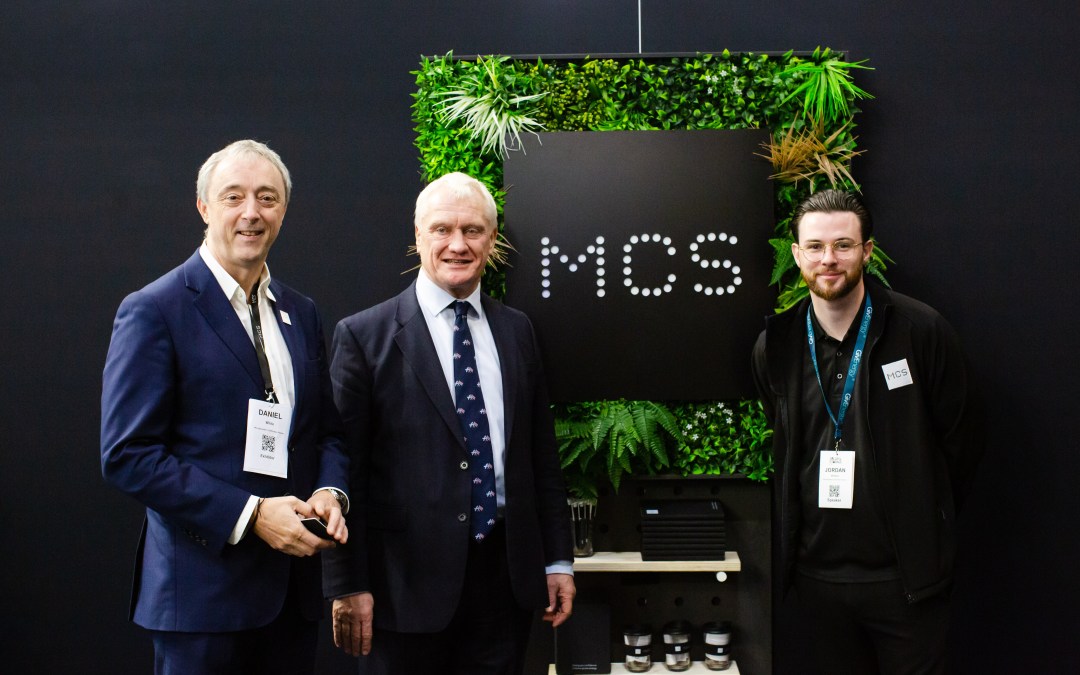
MCS certified have confirmed a record number of installations for domestic Solar PV, heat pumps, and battery storage technologies in 2023.
On the 13th of December, MCS released data highlighting the increased renewable energy and heating installations to a total of 220,500.
Solar PV technology topped MCS installations, registering 183,022 across 2023. Which is a 42,022 from 2022.
Chris Hewett, Chief Executive of Solar Energy UK, explained the reason for Solar PVs growth is because the technology is a key investment for both homeowners and businesses. Whilst electricity bills remain high, Solar PVs provide cheap decarbonised power that end up paying for itself a few years after installation.
Heat pumps were the second on the year-on-year increase for MCS installations.
In 2023, the UK has seen 35,000 installations of both air source and ground/water source technologies. Since 2008, the total of heat pumps installed increased to 200,000.
A huge part of this is due to the Boiler Upgrade Scheme grant increasing its support from £5000 to £7500 in October. From this, applications from the scheme increased from 331 to 1772.
Battery storage technology experienced the third highest increase in installation.
Of the 4700 MCS certified battery storage technologies installed in 2023, 800 of these were in November alone.
More importantly, the number of MCS certified contractors increased drastically from 50 in 2022 to 850 in 2023, allowing for more battery storage technologies to be installed at a faster rate in years to come.
Ian Rippin, Chief Executive Officer of MCS, reacted to the growth in MCS installations and increase in certified contractors:
“It’s a pleasure to report on another record-breaking year for small-scale renewables, illustrating the sector’s sustained upward growth. We had an incredibly busy 2023 and the data confirms the progress we’ve made. The future of small-scale renewable installations is becoming increasingly important, and we continue to play a crucial role in the decarbonisation of the UK’s homes. The growth we’ve seen in domestic renewable electricity systems over the past year may also give some insight into the growing consumer reliance on home-grown energy in the UK during the cost-of-living and energy crises. As electricity prices skyrocket, more people are turning to renewable solutions to generate their own power at home, secure energy independence, decrease their electricity bills, and reduce their carbon footprint.”
For more interviews from Solar&StorageXtra and to keep up to date with all NEW content, subscribe to the Solar&StorageXtra YouTube channel and Newsletter!
Our next event is Solar and Storage Live London, April 29-30 2024!
To enquire about interviews, submit news and press releases please contact our Editor, Regan Slaymaker, regan.slaymaker@terrapinn.com.
For sponsorship and exhibition enquires please contact Tom Moon, tom.moon@terrapinn.com.