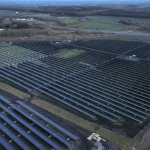
In a move toward cleaner energy and revitalised public services, the UK Government launched a landmark initiative through a publicly owned entity, Great British Energy (GBE) on 21 March.
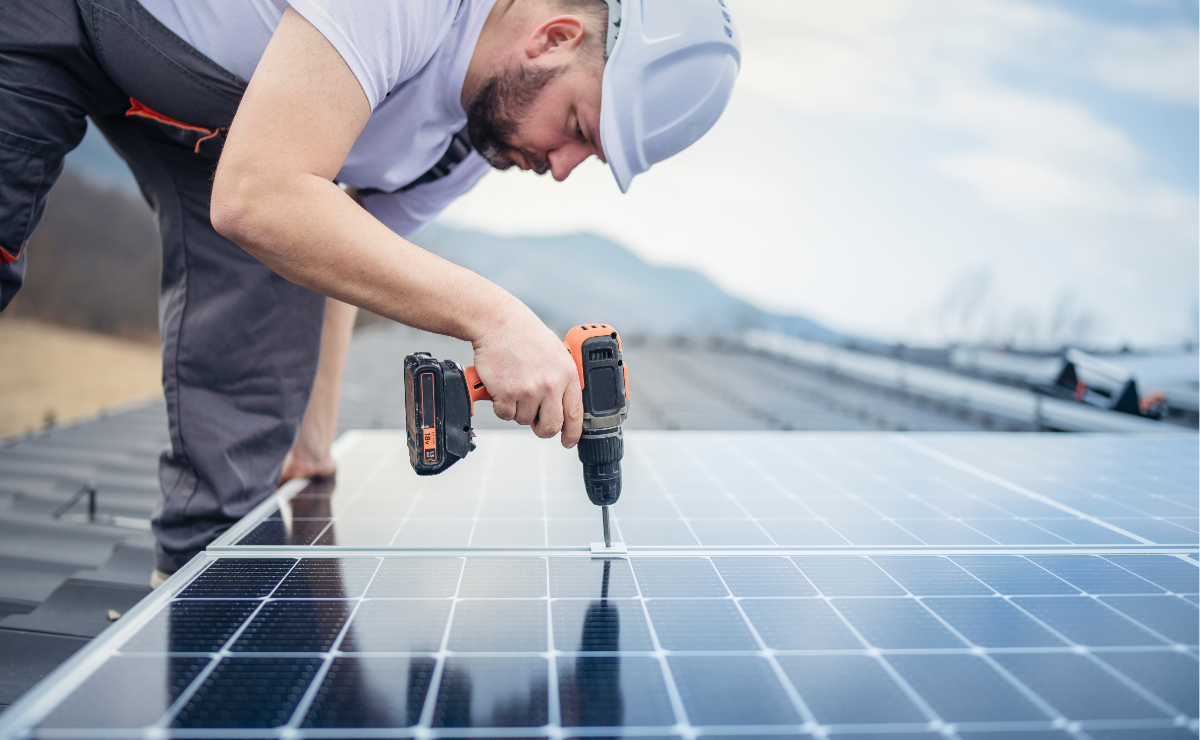
With a £200m investment aimed at outfitting around 200 schools and nearly 200 NHS sites with rooftop solar panels, this initiative is designed to slash energy bills while cutting emissions and creating new career paths in renewable energy.
Solar&StorageXtra assesses the initiative’s impact so far.
First projects underway
GBE’s flagship project is well underway, with installations expected to begin by the summer of 2025.
The estimated annual savings are substantial – up to £25,000 for each school and £45,000 per NHS facility – potentially redirecting £400m into education and healthcare over 30 years.
“Right now, money that should be spent on your children’s education or your family’s healthcare is instead being wasted on sky-high energy bills,” says Energy Secretary Ed Miliband.
“Great British Energy’s first major project will be to help our vital public institutions save hundreds of millions on bills to reinvest on the frontline… this is our clean energy superpower mission in action.”
A wider community
Localised grants will also make tangible differences. In North Yorkshire, Skelton Ambulance Station became one of the first-named recipients of the new GBE grant, illustrating how these funds are reaching frontline services in underserved communities.
This ripple effect could mark the start of a wider renewable boom, empowering both corporations and communities to share in the benefits of energy independence.
Community involvement is also at the heart of the rollout. Local authorities and community energy groups will receive nearly £12m to build local clean energy projects – including community solar installations.
GBE’s efforts are also inspiring private companies to follow suit, unofficially broadening the initiative’s scope.
Ampyr Distributed Energy has pledged to match the £200m investment in rooftop solar, doubling the pace of the national rollout and signalling confidence in public-private cooperation.
Eyes on the energy revolution
As this green revolution unfolds, it is accompanied by some real-time legislative tension. The government has faced pushback for its handling of forced labour concerns in supply chains.
Although committed to clean energy, Parliament voted on 25 March to remove a House of Lords amendment from the GBE bill that would have barred spending public money on green technologies linked to forced labour, particularly in Xinjiang, China – a major supplier of solar panel components.
“We cannot continue to purchase solar panels which are the product of slave labour,” warned Labour peer Helena Kennedy, signalling a growing call for ethical accountability in the UK’s green transition.
Leading the way
By powering schools and hospitals, the UK Government is following through on its promise to embed renewable energy at the heart of its public services – with strong and tangible results – and is leading by example as private companies follow suit.
However, unresolved ethical concerns may undermine GBE’s initiative. Commitments have been made to tackle modern slavery in the solar industry, but critics argue that existing frameworks lack teeth.
As the legislation moves forward and investments flow in, all eyes are on the UK’s commitment to its solar “rooftop revolution”.
UK Energy Week marks the leadup to Solar & Storage Live London, taking place 2-3 April. Haven’t registered yet? Don’t miss out on your free ticket by securing your place here.