In his first interview since July’s election, Sir Keir Starmer described new energy infrastructure as a necessary trade-off to reduce energy bills. Referenced infrastructure included solar.
He acknowledged concerns about the impact on the countryside but highlighted that many people have struggled with rising energy costs, saying, “The energy bills they’ve faced in recent years have been absolutely impossible to deal with.”
Sir Keir confirmed his commitment to building the Sizewell C nuclear power station in Suffolk, noting that private investors were ready to support the project.
He also stated that hospitals in eastern England with crumble-prone concrete would be prioritised for rebuilding once funding is secured.
Protests
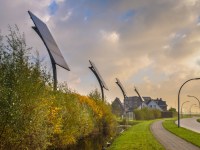
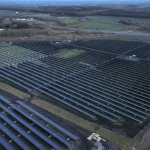
Protests have occurred across the region, with communities concerned about the visual impact, tourism effects, and the loss of farmland due to new energy infrastructure. Protests against rural solar farms have been particularly noticeable in the UK.
However, Sir Keir emphasized that the priority is lowering energy bills. “We’ve got to find a way to stabilize that and bring those bills down,” he said, adding that this would require developing renewable energy infrastructure.
Energy Secretary Ed Miliband recently criticised opponents of these projects as “blockers” and “delayers.” Miliband has frequently come out in support of solar projects.
When asked if communities have to accept the new infrastructure, Sir Keir responded, “We do have to take tough decisions,” and added that communities could be rewarded with benefits such as discounted electricity bills.
Advancing projects
Plans for Sizewell C, as well as other solar and wind projects, are advancing. Sir Keir stressed that nuclear power is part of the country’s future and that private investment is available.
“Investors are looking for stability, certainty, and strategic thinking from the government,” he said.
Regarding wind power, a National Grid spokesperson explained the need for new power lines between Norwich and Tilbury to connect offshore wind farms by 2030, enhancing energy security.
They added that community feedback would be considered as planning progresses, with a decision expected in 2025.
UK Energy Week marks the leadup to Solar & Storage Live, taking place 24-26 September. Haven’t registered yet? Don’t miss out on your free ticket by securing your place here.