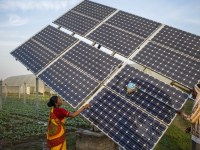
The UK’s new Labour government has announced a “rooftop revolution”, pledging to increase the number of homes with solar panels.
The new plans will also increase the number of solar farms in the UK.
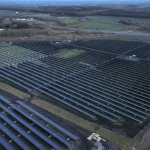
The new initiative has kicked off with the approval of three large solar farms in the east of England: in Lincolnshire, the Suffolk-Cambridgeshire border, and Mallard Pass. These three sites will provide around 2/3 of the solar energy the UK installed in 2024.
Investment in renewable energy features prominently in the new government’s policies, with Energy Secretary Ed Miliband promising to triple the amount of solar power in the UK by 2030.
Ahead of the July 4th election, Labour pledged to introduce a publicly owned energy company, GB Energy, which will streamline the process for homeowners to buy new properties – with panels either installed or to be installed. Additionally, 2025 is set to see new standards brought in regarding solar on new-build properties.
Miliband comments: “We will encourage builders and homeowners in whatever way we can to deliver this win-win technology to millions of addresses in the UK so people can provide their own electricity, cut their bills and at the same time help fight climate change.”
Backlash
The ongoing conversation surrounding the UK’s food security has contributed to a backlash against the new solar farms.
As part of the initiative, energy firm Sunnica will build a 2,792-acre solar farm and energy storage in Suffolk and Cambridgeshire, providing enough power for 100,000 homes.
This will become the UK’s largest solar farm, with officials objecting to the use of green land for the project. Objectors explain that they are concerned that using farmland for solar projects will decrease domestic agricultural production and increase reliance on food imports.
Previously addressing concerns surrounding agrivoltaic farms and food security in May, Chris Hewett, Chief Executive of Solar Energy UK, said in a statement:
“They [solar farms] pose no threat to food security; in fact, they support it. According to Defra, climate change is the main threat to food security, and solar farms help combat this.
“Without solar farms, many traditional farming businesses would struggle to survive, as they rely on the steady income solar farms provide.”