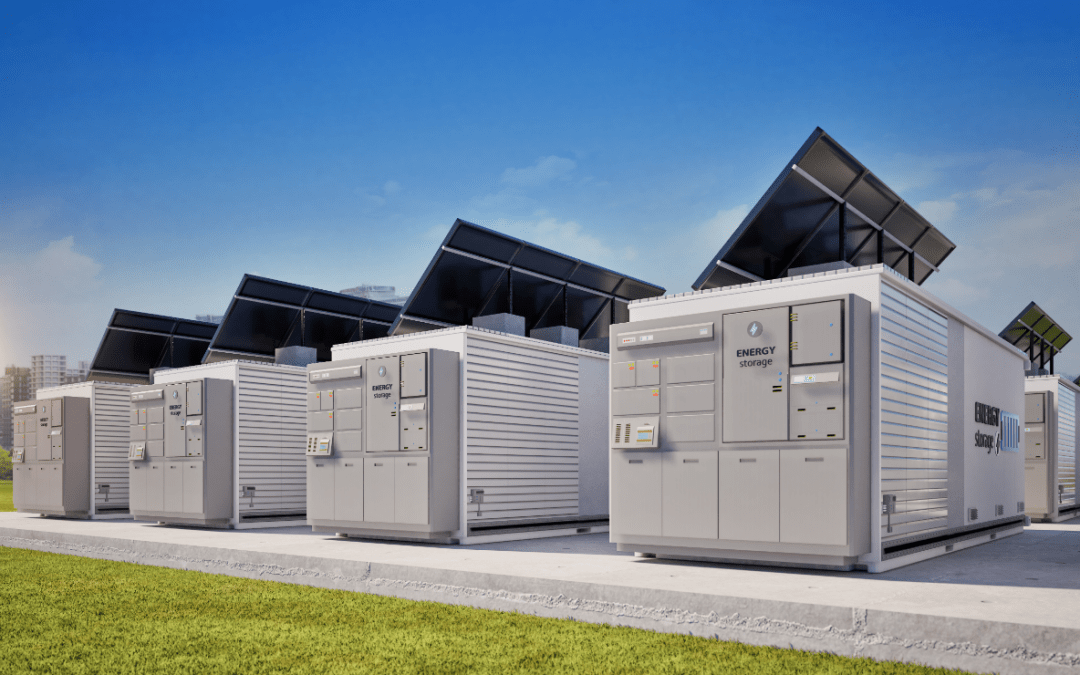
The United States added 5.6GW of battery energy storage from April to June, marking a record quarter, according to the American Clean Power Association (ACP) and Wood Mackenzie.
Utility-scale projects led with 4.9GW installed, a 62% year-on-year increase. The ACP said this is enough to power 3.7m US homes during average peak-demand hours. California, Texas, and Arizona each added more than 1GW, while Wood Mackenzie forecast Florida and Georgia as upcoming growth markets.
Georgia Power, for instance, recently issued a request for proposals for 500MW of grid-scale storage.
Growth may face challenges, said Allison Weis, global head of storage at Wood Mackenzie. “After 2025, utility-scale storage projects must comply with new, stringent battery sourcing requirements to receive the ITC [investment tax credit]. While domestic cell supply is ramping up, supply chain shortages are possible although developers are continuing to consider supply from China to fill in any gaps,” she said.
Weis added: “A rush to start construction under the more-certain near-term regulatory framework uplifts the near-term forecast. Projects that have not met certain milestones by the end of 2025 are at risk of exposure to changing regulations. There is additional downside risk if further permitting delays threaten solar and storage projects.”
The residential market also grew, adding 608MW in Q2, a 132% year-on-year rise. California, Arizona, and Illinois led installations, driven by higher attachment rates and larger-capacity systems.
According to EnergySage, California topped major markets with 79% of quoted projects including batteries, followed by Texas (61%) and Arizona (47%).
“Residential storage is expected to outpace solar due to stronger policy resilience, high attachment rates in key markets like California and Puerto Rico, and continued ITC access through third-party ownership,” said Allison Feeney, research analyst at Wood Mackenzie.
Community, commercial, and industrial storage added 38MW in Q2, up 11%. US storage is forecast to reach 87.8GW by 2029.