The U.S. Bureau of Land Management (BLM) has cancelled the planned 6.2GW Esmeralda 7 solar project in Nevada, ending what would have been one of the country’s largest solar complexes.
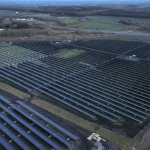
The project was due to spread over roughly 118,000 acres of public land near Tonopah and consist of seven utility-scale facilities developed by NextEra Energy Resources, Leeward Renewable Energy, Arevia Power and Invenergy.
Each site would have included battery storage systems, although storage capacity and duration were not disclosed.
Its National Environmental Policy Act (NEPA) review had been stalled since President Trump took office, and the cancellation has now been made official on the BLM’s internal listing.
The cancellation aligns with a broader trend under the Trump administration of imposing stricter scrutiny on renewable projects, with the President himself posting “We will not approve wind or farmer destroying Solar” to his social media platform, Truth Social, in August.
Earlier in 2025, the Department of the Interior announced an “elevated review” for solar and wind projects on public lands.
Kabir Green of the Natural Resources Defence Council characterised the policy as creating “unfettered obstruction of wind and solar projects that create jobs, cut pollution, lower costs and strengthen communities.”
Additional federal actions have included heightened qualification criteria for tax credits, reclaiming $7bn in Solar for All grants, ending USDA’s REAP funding for solar, removing “preferential treatment” for renewables, and imposing tariffs on key energy components and materials.
Despite such headwinds, new solar capacity in the U.S. has continued to grow. In the first half of 2025, the country added 17.92GW of solar capacity, although the pace slowed in Q2 amid policy uncertainty.