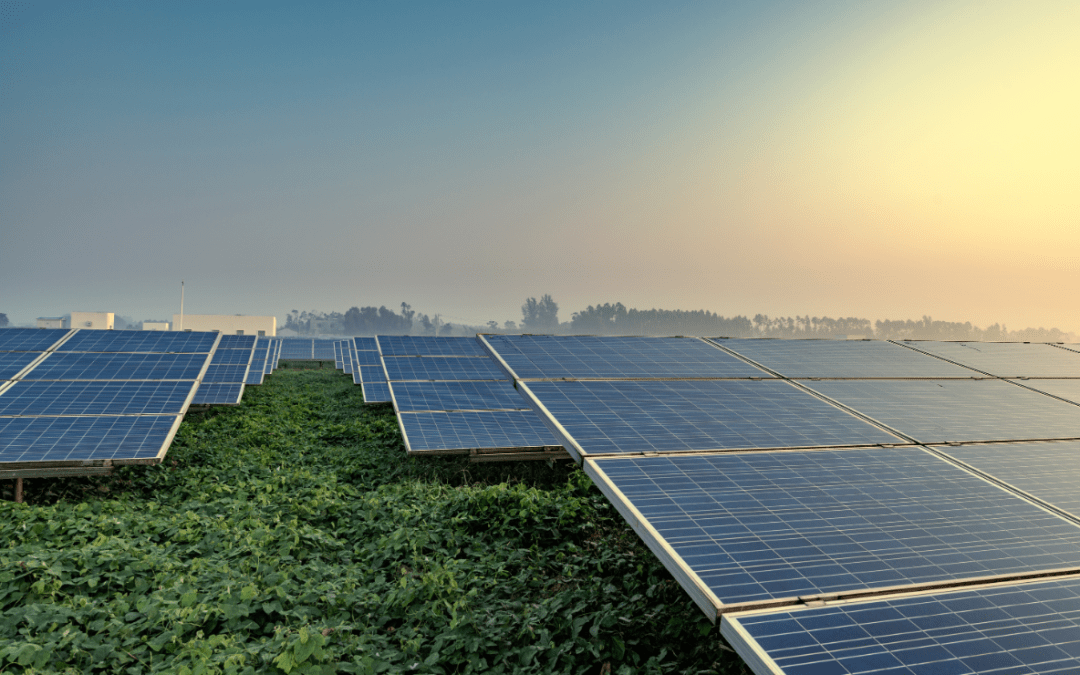
The U.S. solar energy sector is experiencing rapid growth, driven by increased investment and supportive policies like the Inflation Reduction Act (IRA).
Solar installations grew by 21% in the first quarter of 2024, bringing total capacity to over 100 GW, with 3,379 MW of utility-scale solar power added.
Projections for 2024 suggest over 56 GW of new solar capacity, with experts predicting that solar and wind energy could soon surpass coal generation for the first time in U.S. history.
The Solar Energy Industries Association (SEIA) reports 5m solar projects across the U.S., a figure expected to double by 2030. Currently, 97% of U.S. solar installations are on residential rooftops, powering 7% of homes.
By 2030, that number is projected to reach 15%. The solar industry now supports around 280,000 jobs, with employment in the sector growing by 6% in 2023.
Federal and state-level policies have boosted the post-pandemic expansion of the industry, helping connect new projects to the grid.
“The solar and storage industry is turning federal clean energy policies into action by rapidly creating jobs and powering economic growth,” said SEIA President Abigail Ross Hopper.
However, competition from China, which produces over 80% of the world’s solar panels, poses a challenge. U.S. companies struggle to compete with China’s lower-cost production, despite tariffs aimed at curbing imports.
Mike Carr, executive director of the Solar Energy Manufacturers for America coalition, compared China’s dominance to OPEC’s control of oil markets.
While tariffs could help boost U.S. manufacturing, they may also raise prices, potentially slowing the expansion of solar energy and the broader green transition.