As part of his ongoing series of executive orders that impact the renewables sector, US President Donald Trump has added a 10% tariff on particular Chinese products.
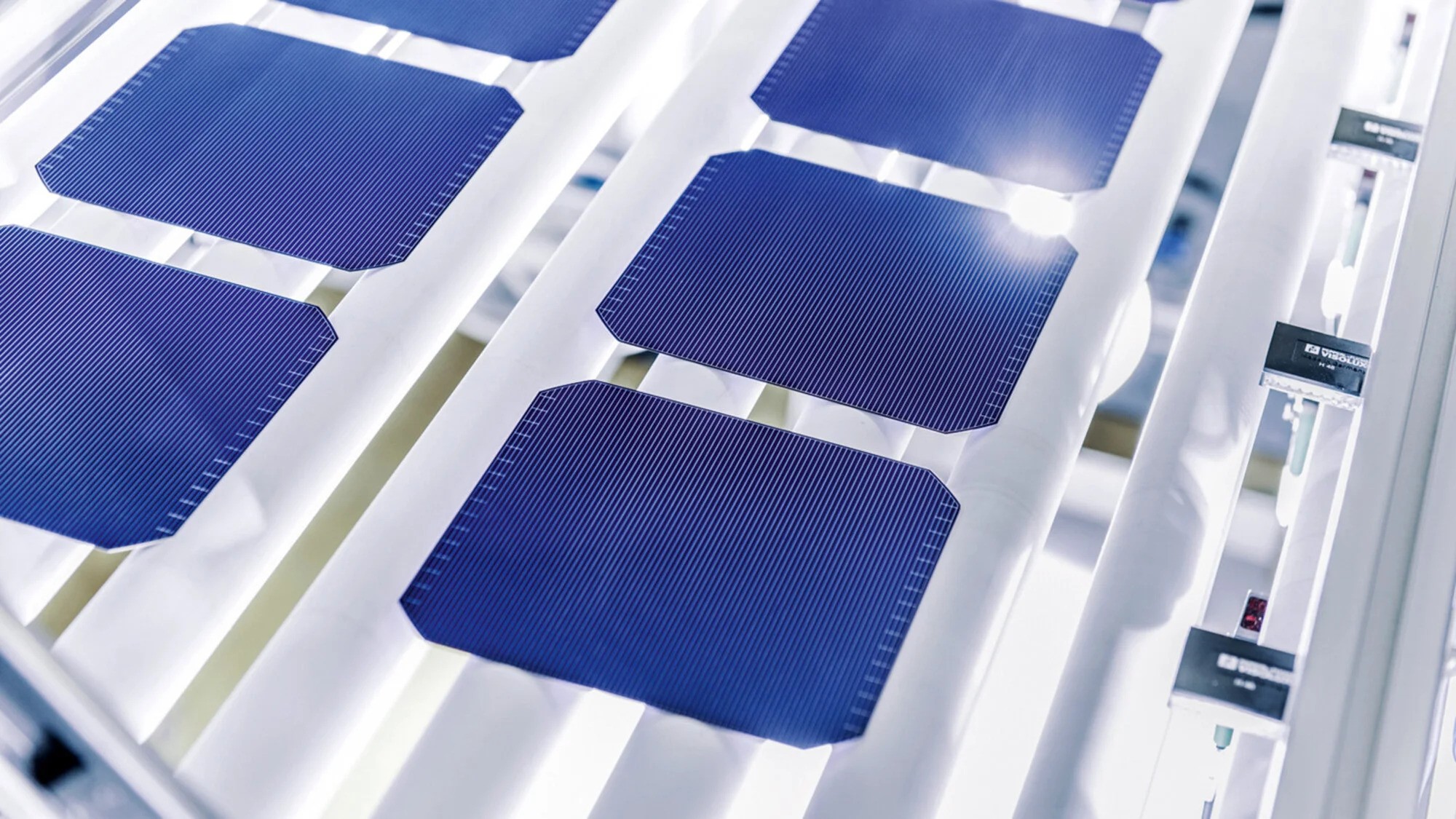
He additionally ordered 10% tariffs on Canadian and Mexican imported “energy resources” including solar-grade polysilicon, solar cells and wafers – but not PV modules.
However these, along with other tariffs on the two countries, have been postponed for 30 days.
Tariffs on China were implemented on 4 February, and include cells along with solar-grade polysilicon, solar cells and wafers – which now see 60% tariffs.
The US implementing tariffs on Chinese solar material imports was also a trend under the previous Biden administration, prompting concerns that Chinese manufacturers would simply relocate their supply chains to circumvent the charges.
The reasoning behind the tariffs was to protect the USA’s domestic solar industry, while additionally tackling the issue of record-low prices due to an oversupply of cheaper solar products from Southeast Asia.
Ongoing situation
In the wake of Trump’s climate-focused executive orders, his predecessors’ environmental policies that encouraged the US solar industry have been rolled back; climate initiatives frozen or scrapped; clean energy funding from the Inflation Reduction Act (IRA) paused; and the country has again withdrawn from the Paris Climate Agreement.
This has caused uncertainty in the USA’s solar sector, leading companies to pause US expansion or cancel projects entirely.
Stay in the loop with all things USA solar by attending Solar & Storage Live USA, taking place in Philadelphia in 2025.