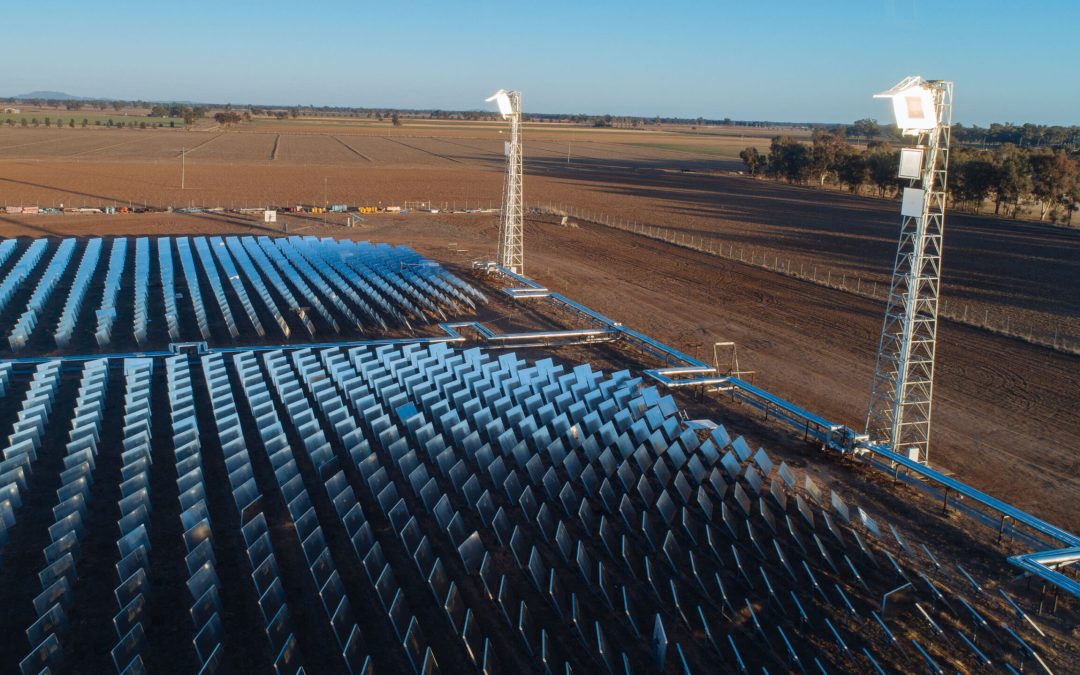
Vast Renewables, a solar thermal power (CSP) systems technology manufacturer, has obtained planning approval for Solar Methanol 1 (SM1), a CSP-driven flagship facility designed to produce eco-friendly fuels.
In collaboration with global energy enterprise Mabanaft GmbH & Co. KG (Mabanaft), Vast is leading the development of SM1.
Positioned in Port Augusta, South Australia, SM1 is projected to yield 7,500 tonnes annually of green methanol, a versatile hydrogen derivative. The methanol is already being utilised to power large container vessels.
The initiative will combine established technologies for green methanol production, including a Leilac calcination plant from Australian firm Calix, which captures CO2 emissions inevitable in cement and lime production; an electrolysis plant for hydrogen production; and a methanol plant.
The endeavour aligns with South Australia’s drive to foster a domestic hydrogen sector and, if successful, could pave the way for a crucial avenue for scalable green fuel production not reliant on finite biomass resources.
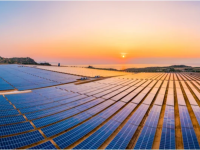
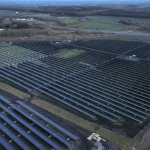
The power for the project will be sourced from VS1, a co-situated 30 MW / 288 MWh CSP plant utilizing Vast’s cutting-edge CSP v3.0 technology to furnish renewable heat and electricity for green fuel synthesis.
Craig Wood, Vast’s CEO, said:
“Planning consent marks a pivotal moment for this significant endeavor in Port Augusta and South Australia. SM1 will yield cost-effective green fuels, pivotal in decarbonising the global maritime sector. The blend of technologies can be swiftly scaled, acting as a catalyst for a green fuels industry in Australia and globally.”
Planning and funding
In February, Vast and its project partners secured funding agreements for SM1, amounting to AUD $19.48m from the Australian Renewable Energy Agency (ARENA).
Additionally, Mabanaft received EUR €12.4m in funding from Projektträger Jülich (PtJ), a German governmental partner in science, industry, and politics.
Calix CEO and Managing Director Phil Hodgson added, “Harnessing and repurposing unavoidable emissions from cement and lime production presents an exciting opportunity to decarbonize multiple challenging industries.
“It’s gratifying to witness this innovative and collaborative venture achieve yet another milestone, bringing the world’s first solar methanol plant closer to reality.”
[Image credit: Vast Renewables]