Amazon has released a statement explaining how the company is combining renewable energy with agriculture, creating sustainable dual-use farms that benefit both farmers and the environment.
Through agrivoltaics, which integrates solar panels or wind turbines with crops or grazing, farmers can diversify their income while supporting carbon-free energy production.
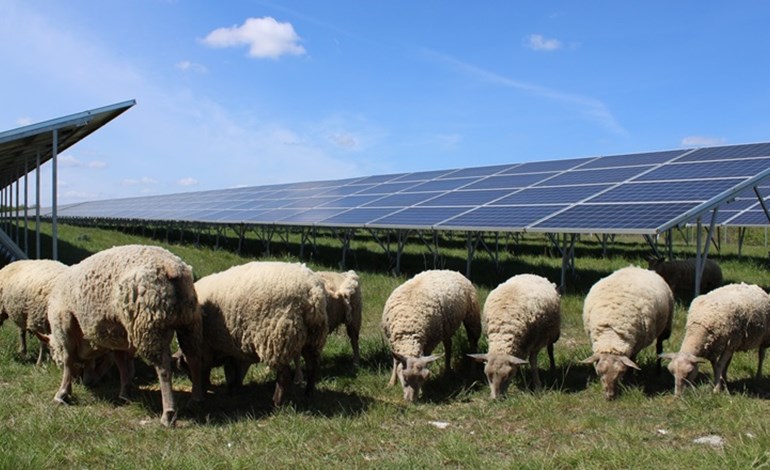
In Mississippi, the state’s first wind farm generates revenue while maintaining crop production, and in Kentucky, sheep graze under solar panels, reducing emissions and enhancing land use.
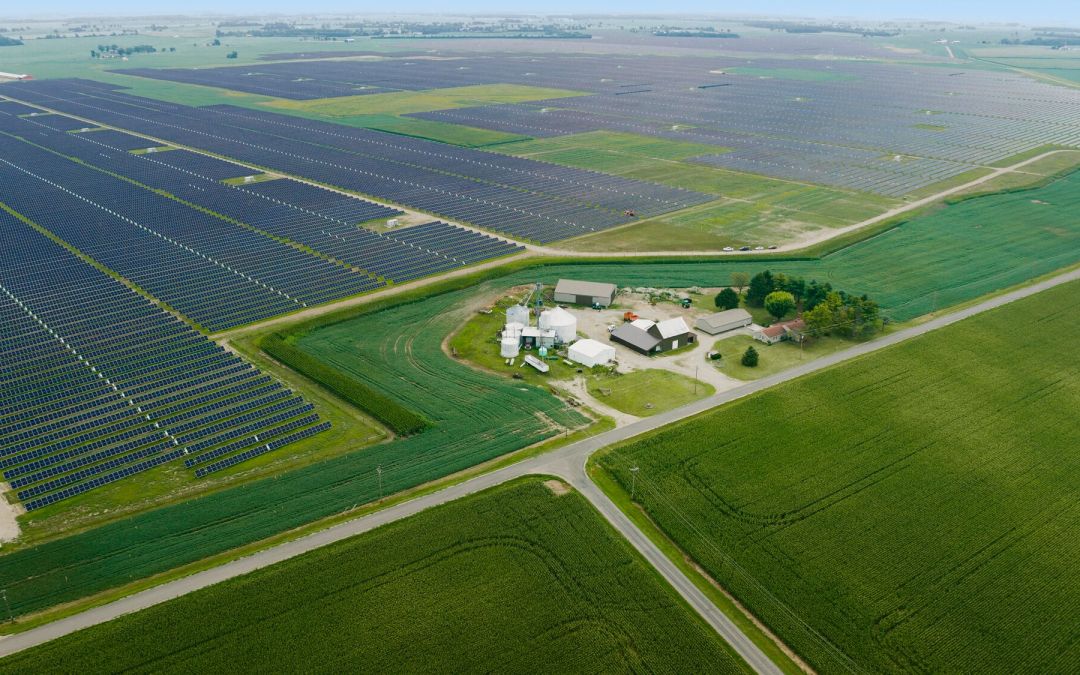
Projects like Madison Fields in Ohio and Italy’s largest agrivoltaic park in Sicily are further examples of how agrivoltaic investments drive sustainability, boost local economies, and foster biodiversity.
These initiatives support Amazon’s Climate Pledge to achieve net-zero carbon by 2040. Agrivoltaic and dual land-use projects help generate clean energy and promote rural job creation, local tax revenues, and sustainable land management practices.
By enabling renewable energy across over 500 solar and wind projects globally, Amazon aims to enhance ecological resilience and community well-being.
The Madison Fields Solar Project in Ohio integrates forage crops between solar panels, and researchers from Ohio State University are studying how to scale this model for broader applications.
Meanwhile, in Sicily, Amazon’s agrivoltaic park cultivates native plants such as olives and lavender under bifacial solar panels, supporting local agriculture and renewable energy generation.
With a focus on enhancing land efficiency and supporting renewable energy development, Amazon’s approach to agrivoltaics could be a model for how businesses can lead in economic growth and environmental stewardship.
By promoting the dual use of land for agriculture and clean energy, Amazon explains its driving innovation that benefits farmers, developers, and communities alike.
[Image credit: Amazon]